
Yes, trends come and go (and come back again), but occasionally, there’s a style or pattern that defies fashion’s fleeting nature. Polka dots are one of them. The timeless print has maintained its status for centuries and has this unique ability for constant reinvention. We’ve seen it imagined in so many different ways, and somehow, it always feels fresh.
So, when did it break onto the scene? Travel with me back to the 1700s for a debrief on polka dots’ origin story—and its evolution into the staple that we (me, Hailey Bieber, Ariana Grande, and Dua Lipa) all know, love, and wear today.
The Transformation of Polka Dots Through History

1700s
There was a lil thing you might’ve learned about in history class called the Industrial Revolution, which began circa 1760, so before this time, the textile machinery wasn’t sophisticated enough to create symmetrical circles on fabric. The sewing machine was invented in 1790 (although the first working machine wasn’t created until the mid-1800s), which finally made the creation of perfectly round and evenly spaced dots possible. The pattern was originally associated with the plague and uncleanliness, though, until it became more of a fad in the next decade.
1800s
But why was it called “polka”? It derived from the Czech peasant dance of the same name, which picked up some steam in the 1840s and continued through the 1860s. There were all sorts of “polka” branded items that came out of the dance craze—like polka pudding and even polka suspenders—but the polka-dot pattern was the one that really stuck around into the present day.
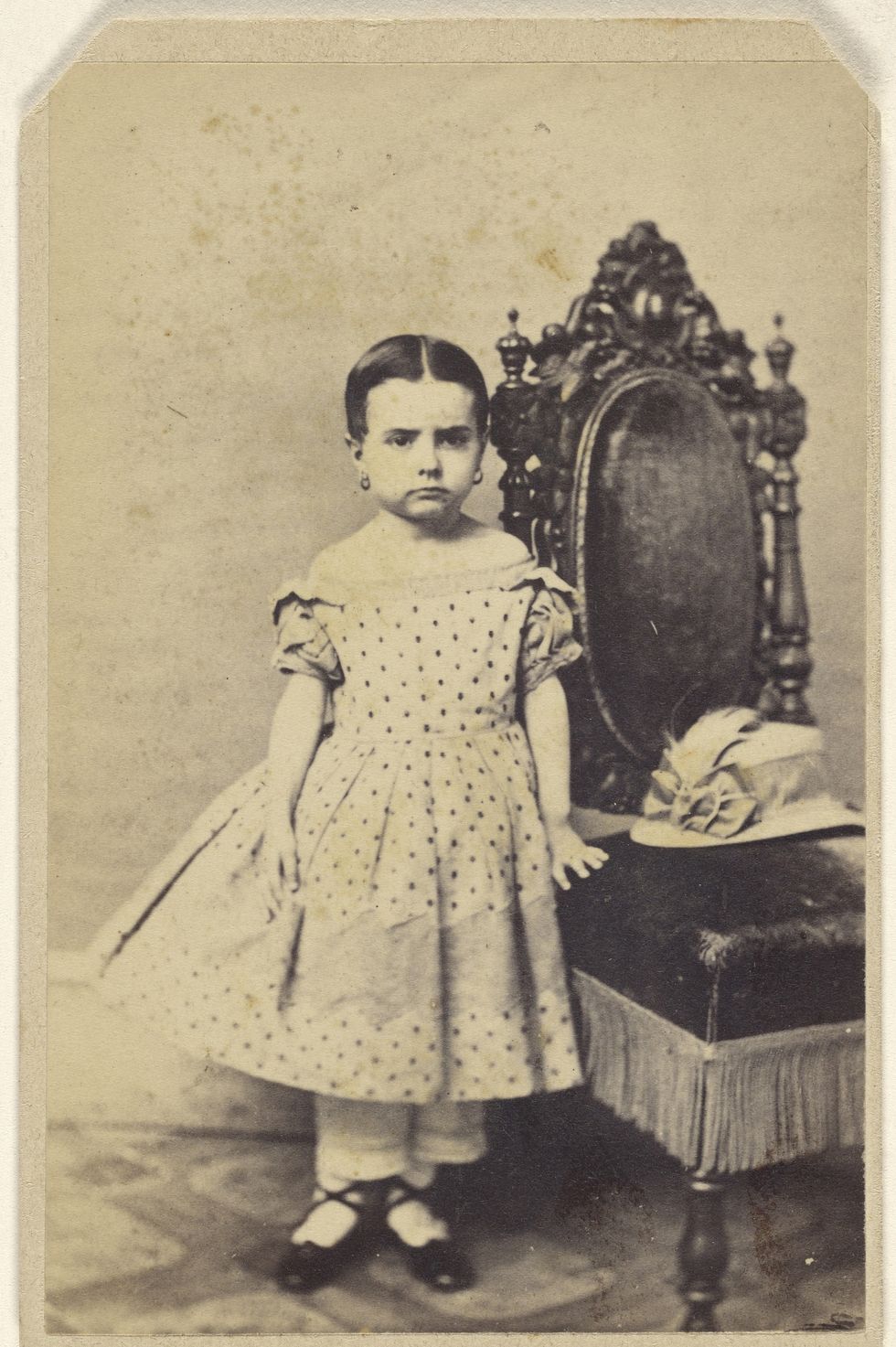
Allegedly, the first-known mention of the term in print appeared in the women’s lifestyle magazine Godey’s Lady’s Book in 1857:
“Scarf of muslin, for light summer wear, surrounded by a scalloped edge, embroidered in rows of round polka dots.”
1900s
The print continued to rise in popularity throughout the 20th century. Notable times it appeared in the ’20s were when Norma Smallwood won Miss America in 1926 (the first Indigenous woman to do so) and wore a dotted swimsuit and when Minnie Mouse debuted two years later. According to Disney, the dots were left out in films because they were difficult to animate, but her iconic spotted skirt was drawn in still images.


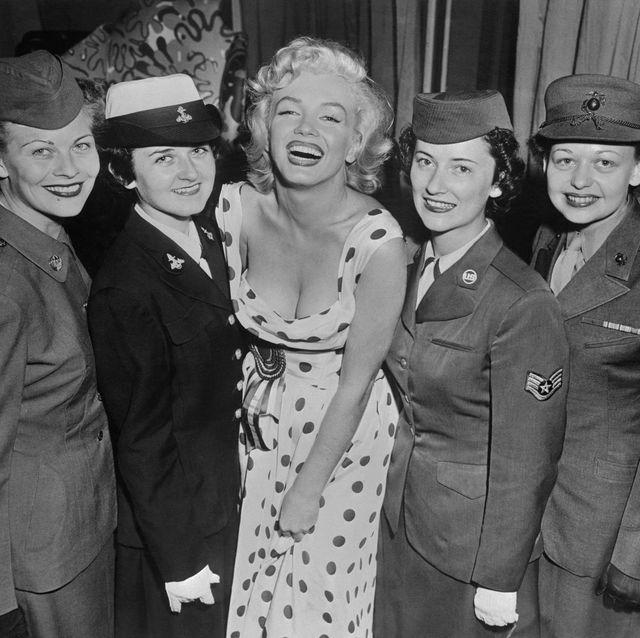
They are also synonymous with flamenco dresses and historically have been used on the ruffled designs since 1847, according to this flamenco website. The pattern had a huge impact on cultural moments during this era: Frank Sinatra released a song called “Polka Dots and Moonbeams” in the ’40s; Marilyn Monroe and Lucille Ball sported them in the ’50s; they became part of the mod fashion movement with Twiggy and Goldie Hawn in the ’60s; and icons like Prince, Princess Diana, and Julia Roberts donned them into the ’80s and ’90s. (You can see these examples in all their dotted glory in the photo gallery above.)
2000s to Today
Of course, polka dots are still around today, and they generally trend more during spring and summer months. And while the black-and-white combo might be the most classic and popular colorway, the print can work with any other hues. Let these street-style stars and the fashion runways prove just how modern and sophisticated the dots can be!


Megan Schaltegger is an NYC-based writer. She loves strong coffee, eating her way through the Manhattan food scene, and her dog, Murray. She promises not to talk about herself in third person IRL.

I'm Cosmopolitan's Associate Fashion Editor and write about any and all trends, major celeb fashion moments, and why wide-leg jeans are basically the best. I originally moved to New York City to audition for RENT, only to find out that the play closed 10 years ago.


