As I approached my mid-thirties, there really wasn’t much I wanted to change about the way that I look. I’d been through some wacky hair cuts and colours, survived the 2016 heavily contoured makeup era and was at peace with how my skin was changing as it aged. Ageing isn’t a dirty word for me. I get a little buzz when I see a new grey hair sprout (genuinely) and while my face has lost some of that juicy baby fat of my twenties, overall I’m happy with how I look. But my undereyes? Oh my undereyes.
To everyone I mention them to, completely fine, ‘what are you talking about?’ my friends would say as I lamented. To me? Sunken. I felt like the lack of volume under my eyes, the crepey skin and dark circles was making me look tired all the time, so everyday I would colour correct and conceal in an effort to look more awake – as a pretty low maintenance girlie, it was too much. So I looked into polynucleotide treatments and since I had my last treatment I've worn concealer just two times in two months. Here's why…
What exactly are polynucleotides (PN)?
Ok, there has been a lot of talk about salmon sperm in beauty over the past few years, so let’s set this one straight, first of all. No, polynucleotides are not just straight up salmon sperm being injected into your skin. Polynucleotides are typically made from DNA fragments of salmon or trout. So, yes fish is involved but it’s much more scientific and complex than the talk of salmon sperm suggests. The DNA is carefully extracted and filtered for use in the treatment. However if you are allergic to fish, Dr David Jack advises against the treatment. “Although there is surprisingly said to be no antigenicity, you just don’t want any risk, as many products are derived from purified fish DNA fragments,” he says.
“I also would not treat during pregnancy or breastfeeding, or if there is active infection, inflammation or a flare of skin disease in the area,” says Dr Jack. “In patients with complex autoimmune conditions, significant allergies or those on blood thinning medications, I would take a more cautious, case-by-case approach. The treatment is generally well tolerated, but it is still an injectable and non-essential medical procedure and should be assessed properly.”
How do polynucleotides work?
The DNA fragments in the formula work to encourage natural regeneration in your cells. So, unlike treatments such as dermal filler, which can give the look of instant volume, polynucleotide treatments make your body regenerate itself, waking up sleeping cells to regenerate and create a fuller, firmer look to the skin while improving skin elasticity. Because of this, the results aren’t instant, instead taking multiple sessions over the course of a few months. To treat, your practitioner will inject with a micro needle or cannula in your chosen area.
Undereye polynucleotides treatment – My review


I had three treatments spaced out between November 2025 and the beginning of April 2026. My chosen area was my undereyes but this treatment works for any areas that you want to address lack of volume or crepey, lax skin. “The area I probably use polynucleotides for most is thin, crepey skin, particularly around the eyes,” says Dr Jack. “I also use it more generally for patients who want better skin resilience and repair, especially after sun damage, stress, hormonal change or periods where the skin barrier has taken a bit of a battering.”
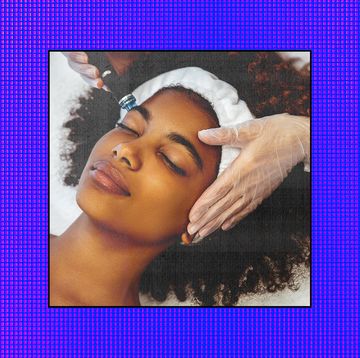
I really didn’t know what to expect when I arrived for my first appointment but I was in and out in less than 15 minutes. My undereyes were cleaned and numbing cream was applied for a couple of minutes before my practitioner injected my undereyes with super thin needles in three points under each eye. Now, I’m not going to lie, it was painful, yes even with a bit of numbing cream. Like a wasp sting each time. But it genuinely is so quick and over in minutes. I found my left side hurt more (apparently this is common with your non-dominant side) so I asked my doctor to get that side done first for subsequent appointments.
Some practitioners use cannulas to minimise the amount of injection sites but a fellow beauty director warned me against this route as she found the pain so bad, she actually fainted and didn’t finish the treatment. Pain is subjective, but I found the micro needle delivery very much bearable if uncomfy for moments.
When you are warned that this treatment is cumulative rather than instant, it is so true. I saw no difference after the first two treatments – you really do have to be patient. As Dr David says, it’s not “A dramatic ‘walk in tired, walk out transformed procedure’. The improvement comes through biological repair, so it tends to look fresher, smoother and healthier over weeks and months rather than instantly that some patients seem to expect.”
In fact, when I walked out of my first two appointments I looked way worse than when I walked in. While there is no downtime with this treatment, I looked busted, respectfully. I was swollen for a couple of days and particularly for my second treatment, I had small bruises under one of my eyes for just under a week. “There can be visible bumps or swelling for the first day or two, especially around the eyes,” warns Dr Jack, “which is completely normal but can be a surprise if people have not been warned.”


Swelling is common with this treatment so Dr Jack advises the following to help. “I advise patients to keep the area cool, avoid alcohol, heavy exercise, saunas and hot baths for 24 to 48 hours and sleep slightly elevated on the first night. Gentle cooling can help, although I would avoid massaging the area unless specifically advised by your practitioner.”
If you are prone to puffiness, like me, Dr Jack suggests taking an antihistamine on the evening of treatment, too. “Most swelling settles within a couple of days, although the under-eye area can occasionally look puffy for a little longer.”
One month after my final treatment my undereyes look so much fresher. The skin feels smoother, tauter and more lifted. It finally feels like my eyes are keeping up with the rest of my face biologically, and I feel way more confident forgoing concealer and corrector. Results normally last up to 9 months, at which point a top up may be required if you want to maintain the look. No tweakments are necessary, ultimately it’s a very personal choice but for me, I don’t regret delving into the world of polynucleotides, it’s achieved exactly what I wanted for my skin.
Polynecleotide treatment at Dr David Jack's clinic start at £650 per treatment. To book in or enquire, click here
Keeks Reid is the Beauty Director at Cosmopolitan UK. While she loves all things beauty, Keeks is a hair fanatic through and through. She started her career in beauty journalism in 2013 as editorial assistant at Blackhair and Hair magazines working her way to Acting Editor of Blackhair magazine at 23 years old. She spent much of her career working in trade hairdressing media at Hairdressers Journal, Salon International and the British Hairdressing Awards. Which is why she is a regular contributor to Cosmo's Curl Up franchise. Now, alongside her Cosmo work, she presents, creates content on social media and works with a range of beauty companies; from magazines and websites to beauty brands and salons.