
Lube is not only fun to use and play with — so many textures, sensations, and flavours to try — but it's also important for safe sex. That's right, lube has many a magical power, from preventing unwanted friction during sex, easing penetration, reducing the risk of tearing and injury, and helping with all kinds of issues, from vaginismus to anorgasmia.
It can be also used for many types of sex, including penetrative, anal, and even when you're having some solo fun. Did we mention some kinds of lube can also be used with sex toys, too?
Despite this, lube, or “lubricant” is sometimes still seen as an afterthought or unnecessary, depending on what type of sex you're having. For some people, there's even a stigma around needing to use lube. But PSA, even WAPs can and will benefit from a 'lil extra lube.

But before we get into it, let us address all of you out there who think that vaseline and all manner of other lotions and potions are suitable for greasing your engine. We hate to break it to you, but you're wrong.
So, if you're new to lube, looking for spicy hacks, aren't sure which is the best lube for you, or simply need a refresher in this department, we've got you. Here's everything you need to know about this goopy goodness — be it water-based, silicone-based, extra-thick, CBD-infused or flavoured...
What is lube?
Not to be confused with lubricants used by your local garage, the lubes we're obsessed with are the ones used for sexual pleasure and comfort. Taking it back to basics, lube is a liquid that is applied to the genitals or anus to make penetrative sex both comfier and more pleasurable.
You can use it to enhance natural lubrication — like the juices produced by the glands inside the vagina — or to create lubrication that doesn't occur naturally, like around the anus or rectum. Lubes add moisture or glide, making the sensations smoother, more natural, and for some, adding a little extra spark to your bedroom fun. Speaking of, you can get flavoured lubes for taste or sensation play. But more on that later.


What is lube used for?
Not to sound obvious, but to increase lubrication! This is especially important when using toys or for any kind of penetrative sex (whether it's vaginal or anal). Plus, it helps to minimise discomfort.
Women and people with vaginas will find that their natural lubrication depends on hormonal levels, which vary within our cycle, pre-, during and post-menopause, and pregnancy. But, it can also occur as a result of stress, breastfeeding and some medicines (contraception or SSRIs for example).
According to Science Direct, “vaginal dryness prevalence ranges from 13% to 31%.” But as we mentioned, rates can significantly increase for post-menopausal women (50%), plus those treated for breast cancer (63%). Additionally, this natural dryness can also arise even if you're feeling particularly horny.
Regardless of your personal experience, there's zero shame in reaching for lube to help prepare you for sex. Anyway, it can help make things a whole lot safer and sexier — a combination we can definitely get on board with.
“Although lube can help with a myriad of sexual concerns, like vaginal dryness or enhancing orgasm, it isn’t just something to reach for when something’s ‘wrong’,” explains sex educator and founder of Cliterally the Best, Evie Plumb.
“It’s a game-changer for comfort and pleasure, and it belongs in everyone’s toolkit. Whether you’re having solo sex, partnered sex, penetrative sex, or no penetration at all, lube can make everything feel better. Try a few and see what you like. And remember, using lube doesn’t mean there’s a problem — it just means you know what your body deserves.”
The different types of lube
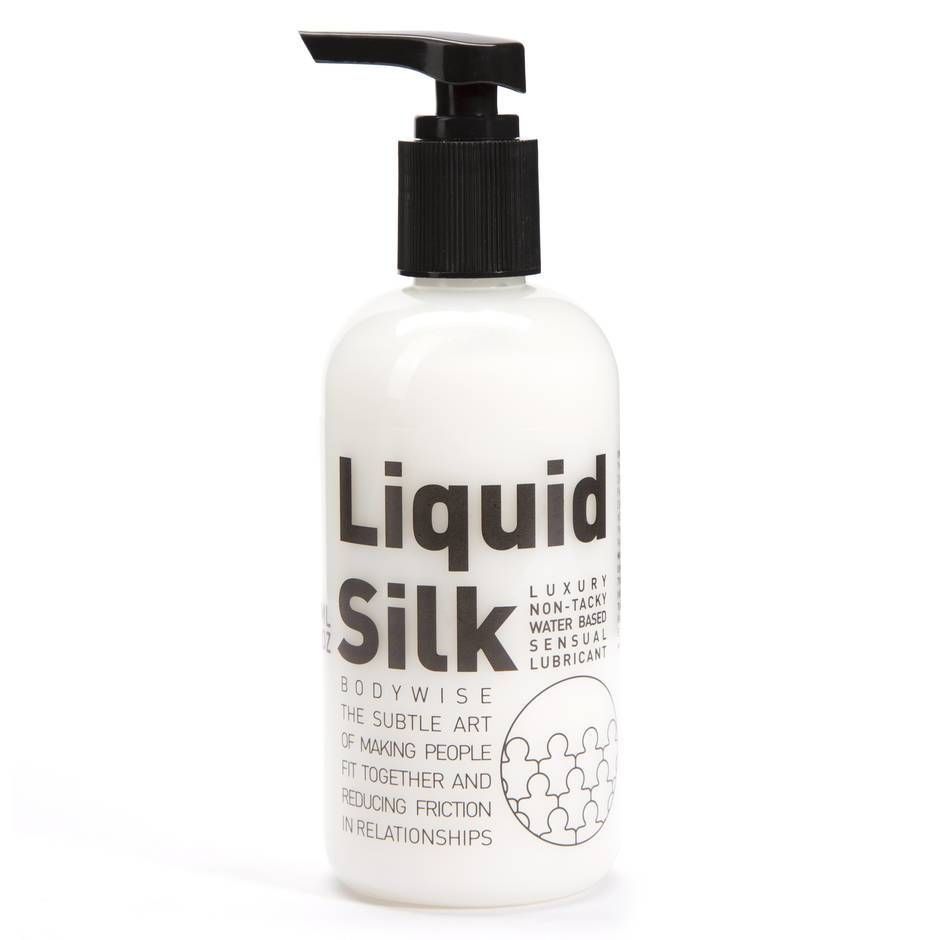
One lube everyone should have in their bedside drawer is a good old trusty water-based one. Something simple like Liquid Silk is usually a good bet as it comes with a super handy pump, isn't sticky, doesn't taste gross, sugary and fake like loads of other lubes, and is affordable. But you can find all sorts of water-based lubes in varying styles — the more you experiment, the more you learn what you like.
But water-based isn't the only kind of lube out there — and there are different types better suited to different types of play. Here are the main types of lube available to buy:
- Water-based: “It's safe to use with condoms and toys, easy to clean up, and works well for most kinds of sex, although it can dry out and need topping up,” says Plumb.
- Silicone-based: “Lasts much longer and feels silky smooth, making it ideal for anal sex or anything in the shower, but it shouldn't be used with silicone toys as it can break them down.”
- Oil-based: “Is much thicker, it's great for massage or solo play, but not safe with latex condoms and sometimes not the best choice for people with sensitive dangly bits,” says Plumb.
You might have guessed it by now, but not all lube is created equal. The ‘right’ type of lube not only depends on the kind of barrier methods you're using, but also on the kind of sex you're having.
“For vaginal sex or toy play, water-based or hybrid lubes are a great place to start,” says Plumb. “For anal, something thicker and longer-lasting like a silicone-based lube usually works best.”
Just like anything sex-related, it's also worth considering that the type of lube that gives you pleasure might not be someone else's vibe. “If you have sensitive skin or are prone to irritation, it’s worth looking for lubes that are unscented, pH-balanced, and free from glycerin or parabens,” Plumb says. “Sometimes it takes a bit of experimenting to find your favourite.”
Top tip: you can patch test your lube before using it on your genitals, to make sure you won't have a reaction to it. Try applying it to your inner thigh or forearm 24 hours before you intend to use it to figure out whether it's suitable for you.
Each brand of lube will have its own consistency — from watery, to gel-like, creamy, or oily — so trying a few out will help you figure out which you prefer.


When should you use lube?
If you're not already a lube lover, integrating the slippery stuff into your sex life can seem like more effort than it's worth. To make it a little easier (and okay, attempt to encourage you to give it a go) we've broken down when you should use lube and how it can enhance all of your sexual experiences...
With condoms: Condoms are usually lubricated, but with intense and/or long-lasting sex, the lubrication will dry out. A dry condom also breaks very easily… so it's only as effective as the extra lube you'll add to it. “Lube helps reduce friction, which means better comfort and a lower risk of tearing or breakage,” says Plumb. Just make sure you use a water-based lube as an oil-based one could cause the condom to break.
With “female” condoms: You should also use lube with female condoms, AKA internal condoms. “With internal condoms, lube helps with insertion and comfort,” Plumb explains. Unless the condom comes pre-lubricated, that is. It's also advisable to check the small print to see what type of lube is safe to use.
With dental dams: Dental dams are soft plastic latex or polyurethane squares and are used to cover the female genital area or anus, during oral sex. Their main job is to prevent STIs being transmitted, which, let's face it — no one wants to deal with. “For dental dams, a thin layer of lube on the side touching the body improves sensation and helps keep it in place,” says Plumb. Top tip: to avoid breakage, make sure to use a water-based lube.


For anal sex and using anal toys: “Unlike the vagina, the anus doesn't self-lubricate, so using plenty of lube makes the experience more comfortable, safer, and more pleasurable,” Plumb explains. Even if you don't feel like you need it, not lubing up during anal sex can lead to anal fissure, which as per the NHS, is “a tear or open sore (ulcer) that develops in the lining of the large intestine, near the anus.”
You likely won't feel it during your anal sex session, either, as symptoms tend to be noticed a few hours after intercourse. For anal sex, it's recommended to use a lube specifically made for the butt as they usually last longer and protect you even more. We love Sliquid's vegan, organic Sassy Anal Lube.

How to use lube
Now for the fun part! Whichever type of lube you decide to use, it's best to dab it on your fingertips and apply to the desired areas — whether that's a vulva, vagina, anus, penis, sex toy, condom, or any other part of the body. FYI, some lubes feel reallllly good on the nipples, too. And fun fact: some are specifically designed to double up as massage oil, meaning they're great for use all over the body for an extra hot slip'n'slide effect.

In terms of how much is too much or too little, there's not really a rule book that dictates the amount of lube you should use. Rather, it depends on the person's natural level of lubrication, if you are using a condom or not, the kind of sexual activity you're engaging in (foreplay, massages, anal sex, vaginal sex) and the specific product you've chosen.
For beginners, “start with a generous amount (think a blob about the size of a ten pence coin) and apply it anywhere there's going to be friction,” says Plumb. What's great about lube is that too much is generally better than not enough. So, if you're unsure, there's no harm in adding more.


Apply the lube directly to your or your partner(s) vulva, anus, or penis, using your fingers to spread it around (but there's no need to rub it in like a moisturiser). Not only does this ensure you get good coverage, but it's also a total turn-on. “You can even add a little lube inside a condom for added sensation — but not too much to avoid slippage,” says Plumb.
One thing to remember is that not all lubricants last forever. After a while your intimate areas will get dry again, so you'll need to add a little more juice as you go.
Best lubes to shop now


Extra need-to-knows
- Make sure your lube is compatible with your toy. Silicone-based lubricants can damage the silicone of your toy, so opt for water-based to be safe.
- Make sure your lube is compatible with the condom you're using. Just like vaseline and other oils (eg hazelnut oil), oil-based lubes are not compatible with condoms because they make them porous. This will reduce their safety and make them more likely to split. They also alter the pH and bacteria levels of your intimate parts, which can lead to infections.
- Check if you're allergic to any component of your lube before using it. Just like you would before dying your hair, get a patch test. This is the easiest way to find out whether or not the lubricant agrees with you.
- Lubricants are not contraceptives. Most of them don't contain spermicide, so they don't prevent pregnancies or STI transmission.
Emilie Lavinia is Cosmopolitan UK's Former Sex and Relationships Editor. An accredited Sex Educator and Sexologist, Emilie explores identity, equity and innovations in sex, love, wellness and identity with her writing, broadcasting, coaching and commercial work. Emilie has written for the likes of The Guardian, Stylist, Grazia, Woman & Home, Red and Women's Health. She has appeared in documentaries exploring sex and wellbeing by ITV, Channel 5 and the BBC. Emilie has represented the UK as a United Nations Delegate and is a passionate advocate for women's health, LGBTQ+ rights and sex education and public health policy. She is a representative for Young Women's Trust, United Nations Women and The Porn Conversation and works with a number of charities. She loves big books, Bell Hooks, her infrared sauna and her Pomeranian, Ivy Valentine. She lives in London and can give you a rating out of 10 for every sex toy ever invented. Sign up to Emilie's Substack newsletter The Cuff for spice and advice or follow her on LinkedIn, X, Instagram, or her website: emilielavinia.com
Honey is the Senior Sex and Relationships E-commerce Writer for Cosmopolitan, Women’s Health and Men’s Health. She covers shopping guides and reviews of the best sex toys; deals events — including Amazon Prime Day and Black Friday; and sex, dating, and LGBTQ+ trends.
Her journalism career started in 2020 when she started Sextras, a podcast and digital magazine about sex and relationships. Find Sextras on Spotify or Substack, where she writes and chats about everything from positive masculinity and how to practise sex magic, to why the latest kink or porn category is blowing up.
She has an MA in Magazine Journalism from City, University of London, and previously reported for HR magazine. Her features also appear in Glamour, Refinery29, The Independent, and more.
When she's not asking everyone she meets invasive questions about their sex and dating lives, you'll find Honey singing around her flat, teaching herself a new craft, or working her way through a new '90s/'00s box set with her flatmate.

Lois Shearing is Cosmoplitan's Former Senior Sex and Relationship Writer. They have been writing about sex, sexuality, gender, politics, and relationships for almost ten years. Their writing on these topics has appeared in Mashable, The Independent, Metro, The Advocate, and Byline Times, among others. In 2021, they published their first book, Bi the Way with JKP. They are currently working on two other books, set to be published in 2024. In a previous life, they worked as a content marketer and content writer for various tech start-ups. They continue to be interested in the tech sector and its impact on our lives, relationships, and work, with particular regard to the ways AI will shape our relationships in the future. Outside of work, they are deeply passionate about queer community organising, and run the only support resource for bisexual survivors of sexual violence in the UK: the Bi Survivors Network. You can find them on Instagram and X.


