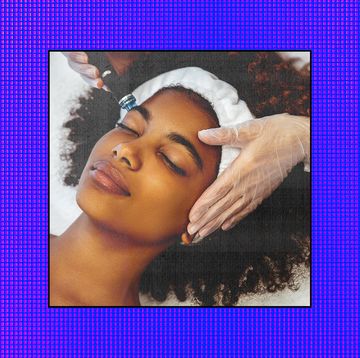
“Okay, what serum should I buy first?”
Often enough, that's the initial question I’m asked when I tell someone I’m a beauty journalist. That, or a query about whether the £140 toner they’ve spotted on sale is worth the money.
Over the past decade skincare has exploded into all kinds of price points and offerings. And with dermatological education fully democratised on websites, blogs and brand FAQs, it has never been easier to build a personalised, high-powered skincare regime - and, unsurprisingly, many skincare beginners are confused about where to begin.
But here’s the thing. It’s a lot simpler - and less glamorous (sorry) - thank you think.
My usual response isn’t to recommend a serum, or to recommend my favourite BHA exfoliant, or to scan the ingredients list of their dream retinoid.
Boringly, it’s to suggest a daily sunscreen.
Benefits of sunscreen
Cleansing and moisturising aside, SPF is arguably the most consistently useful thing you can do for your skin. But with an emphasis on ‘actives’ and buzzword ingredients in the skincare world, this gem, which is held so closely to the hearts of beauty editors, derms and skin doctors, is consistently underestimated.
“Think about it like your diet. If you smoke cigarettes, a healthy diet isn’t going to prevent the lung damage smoking causes,” says Paula Begoun, founder of skincare brand Paula’s Choice.
“The UVA and UVB light emitted by the sun is dangerous for skin and there is no research to the contrary. Even the best skin care products have limitations in reducing or repairing the ongoing damage unprotected sun exposure causes.”
And Dr Ifeoma Ejikeme, (a general medicine consultant and expert aesthetic physician and Cera Ve's resident expert) agrees. “Most skincare is there to preserve and improve the skin in some way. Over time your SPF will be the most effective at doing this” she says. “You still need to wash your face but, yes, SPF is up there as number 1 in a skincare routine.
Should I wear SPF indoors?
According to Dr Rekha Tailor, Cosmetic doctor at Health and Aesthetics, yes. After all, it’s not just UV rays your sunscreen is acting as a protector against.
“Most people are aware that when going outside in the sun they need to wear sunscreen to protect them against the sun’s harmful UV rays. What a lot of people don’t realise is that everyday things like using your phone and watching TV or working on the computer omits HEV Light which is extremely ageing on the skin.”
Her suggestion for screen-proofing the face? “Wear a high factor SPF at all times, reapplying it every two hours or when the skin gets wet - whether that's from sweating or washing your face.”
If that sounds labour-intensive, her tip is to incorporate SPF into your daily skincare regime, as the last step and for those who use makeup in the day, switch to a makeup that includes SPF. It’s also possible to buy mist sunscreens which top up on your face’s protection with every spritz.
What type of SPF should I wear?
Always look for the words ‘broad spectrum’ - whether you opt for mineral or chemical sunscreen, you’ll want your sunscreen to be at least UVA and UBV protective.
Make sure to use plenty - less is not more in this instance. A general rule of thumb is to avoid ‘stretching’ the SPF across the face. Add a liberal layer, as the final step of your skincare, and allow it to settle before moving onto any makeup stages.
How often should I reapply?
If you're in the sun, you should be reapplying a teaspoon-sized amount of factor 30 or above broad spectrum sunscreen every two hours, for maximum protection. If you're wary of disrupting face makeup, try pressing a matte and/or blurring sunscreen into your skin (we recommend SVR's Sun Secure SPF 50).
Or, whack out a mist like Body Shop's Skin Defence Multi Protection Face Mist and spritz liberally, safe in the knowledge that your 12-step skincare isn't being poured down the drain, one outdoor brunch at a time.
And there you go - you're a daily SPF wearer, just like your derm always wanted. Instant skincare bragging rights: sorted.
The very best facial SPFs

Murad City Skin Age Defense Broad Spectrum SPF50 PA ++++ 50ml


Ultrasun Face Anti-Ageing And Anti-Pigmentation Sun Protection Very High SPF50+ 50ml
Like this article? Sign up to our newsletter to get more articles like this delivered straight to your inbox.
Follow Kate on Instagram