
Growing up with curly, frizz-prone hair was not for the faint of heart back in the day. I would constantly scour the beauty aisle at my local drugstore, Ulta, and Sephora, only to find products that catered to a handful of hair types. And the rare finds for curly girls like me? They never took different hair patterns into account. That meant my hair was often weighed down with products that were way too heavy for it. Not a good look lol.
Luckily, times have changed, and now hair products—from shampoos to blow dryers—exist for every hair type and texture. That means you can make the most of your locks, whether they’re pin straight, wavy, curly, or coily. But with so many options to choose from, narrowing things down can be both confusing and overwhelming.
That’s where knowing your hair type comes in handy. Andre Walker, the father of hair-typing, divided hair types into those four categories to simplify styling. Read on to learn how to work with what you’ve got so you can build your haircare routine with confidence.
A quick overview of all the hair types
According to the hair-typing system, there are four main (and very broad!) groups of hair. Here's the basic rundown of the categories:
- Type 1 hair = straight hair
- Type 2 hair = wavy hair
- Type 3 hair = curly hair
- Type 4 hair = coily hair
Each category also has three a, b, and c subcategories (examples: 3a, 3b, 3c, or 4a, 4b, 4c) that break down each hair type even further.

“Knowing your hair type is essential because hair isn’t one size fits all—it has different needs based on factors like porosity, thickness, and moisture levels,” says Fabian Lliguin, a hair expert and founder of haircare brand Rahua. “True hair health comes from working with your hair’s natural type and texture, so choosing the right formula ensures you’re properly nourishing, strengthening, and restoring it from root to tip. When you understand your hair type, you can match it with the ingredients and products that will best support it.”
How do I know my hair type?
This probably isn’t the answer you wanted to hear, but basically the only way to figure out your hair type is to take a long, hard look at your strands and compare them to pictures and charts. To make it even trickier, know that most people don’t have only one type of hair. I can speak from experience on that one, since I have a combo of type 2 waves and type 3 curls.
Follow Lliguin’s tips to make the ID process a little easier: “The best way to determine your hair type is to observe your hair in its most natural state without heavy styling or product buildup, and pay attention to its pattern, density, and how it responds to moisture,” he says. “Your hair will tell you what it needs. Notice whether it absorbs hydration quickly, holds shape, or leans toward dryness or oiliness. Understanding these characteristics allows you to choose the right formulas to truly nourish and support your hair’s natural type and texture, which will give you the healthiest hair and best results.”
Now that you’ve figured it out, let’s get into what each hair type really means.
TYPE 1: Straight hair
This type is typically a cinch to ID. “Type 1 hair is naturally straight with no visible curl pattern and tends to reflect light easily, giving it a smooth and shiny appearance,” Lliguin says. “It often lies flat from root to tip, which can make it more prone to oiliness since natural scalp oils travel quickly down the hair shaft.”
The best way to care for type 1 hair is to use lightweight products that won’t flatten the hair or create buildup. “Focus on gentle cleansing and nourishing products that help manage oil while preserving shine,” Lliguin says. “Because type 1 hair can be easily weighed down, it benefits most from minimal product layering and formulas that support the scalp without leaving residue. For styling, less is more; enhance type 1 hair’s natural smoothness and sleekness with lightweight products (rather than forcing volume). If you do use finishing products, make sure they are not too heavy or oily.”
Type 1a
1a hair types tend to be the flattest, thinnest, and silkiest of the straight hair types. Keeping a bobby pin or an elastic from sliding out of your straight hair requires magical powers.
Type 1b
1b hair types are still super straight, but also have some bends and a few coarser strands. Your biggest enemy is likely greasy roots, rather than puffiness and/or dry ends.
Type 1c
1c hair types are thicker and coarser, which means they're also more prone to frizz, poofiness, and dryness. If your straight hair is also damaged (hi, chemical, color, and heat treatments), you’ll likely fall into the 1c type.
Best products for type 1 straight hair


TYPE 2: Wavy hair
An S-shaped pattern. That’s pretty much how wavy hair is always described, and that natural “S” pattern can range from loose to more defined waves. “It tends to have more texture and movement than straight hair, but can also be prone to frizz or dryness, especially if the wave pattern is disrupted,” Lliguin says.
The best way to care for type 2 hair is to maintain a balance between hydration and lightweight definition. “Because it sits between straight and curly, it benefits from gentle cleansing, regular moisture, and products that enhance the natural wave without disrupting it or creating buildup,” Lliguin says. “In terms of styling type 2 hair, it’s about working with the wave pattern, not against it. Applying lightweight creams or sprays to damp hair and letting it air dry or diffusing it softly helps encourage definition while minimizing frizz and preserving movement.”
Type 2a
Unlike 1c hair, 2a hair types have a flat S-shape pattern that gives them their wave. 2a hair tends to be finer and flatter than any of the other type 2s, and can be easily blown out and straightened.
Type 2b
2b hair types tend to have slightly more defined S-shape waves—usually with a fine and/or medium thickness—and are a bit more prone to frizz and poofing, especially if your hair is damaged.
Type 2c
2c hair types are still mostly S-shaped waves, but they can also have a few loose curls and coarser textures mixed in (since they're right on the edge of type 3 curls). 2c waves tend to frizz easily and lose definition fast.
Best products for type 2 wavy hair
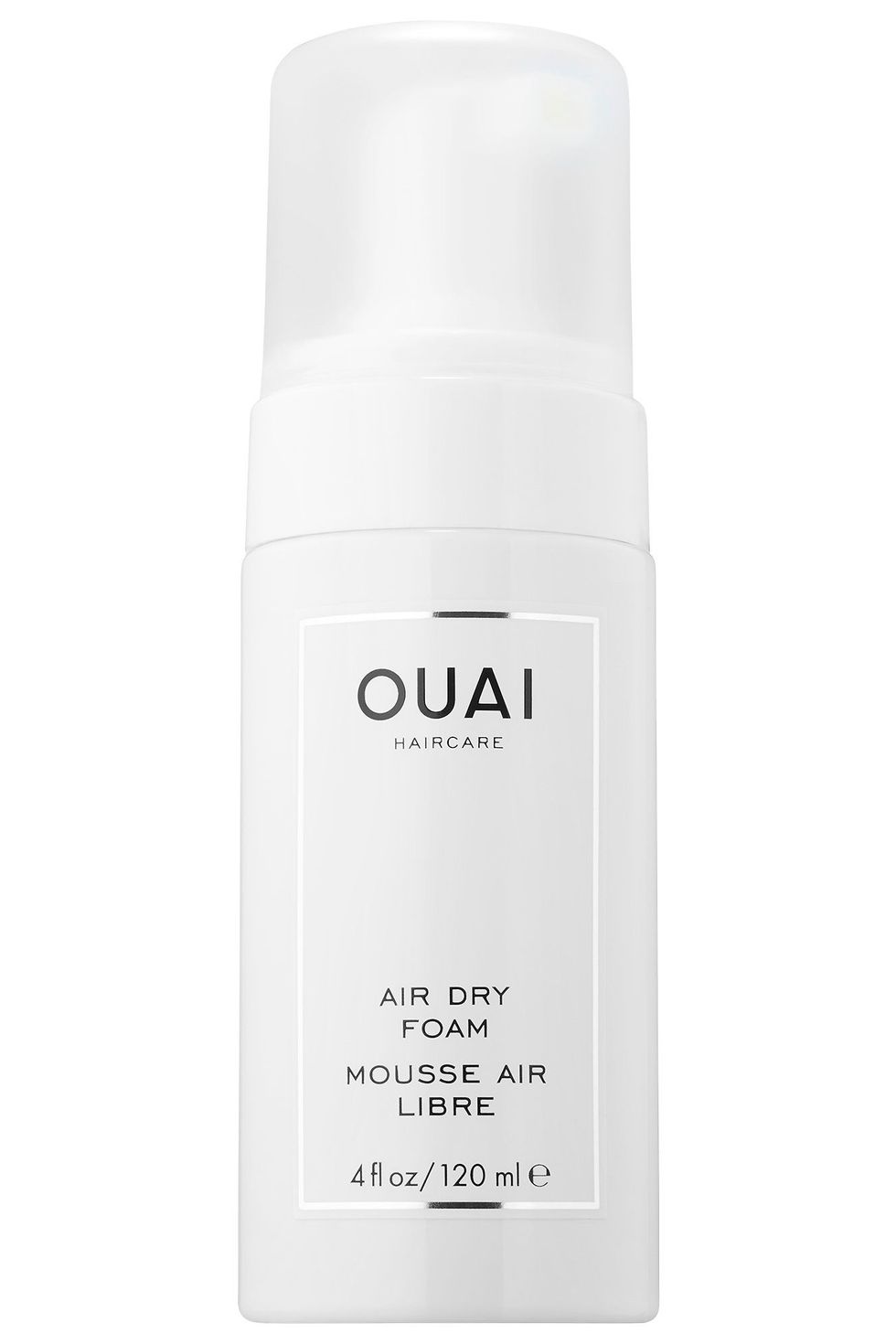
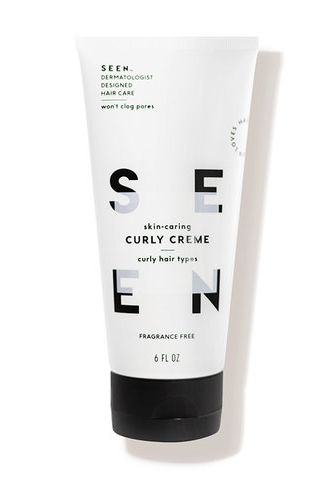
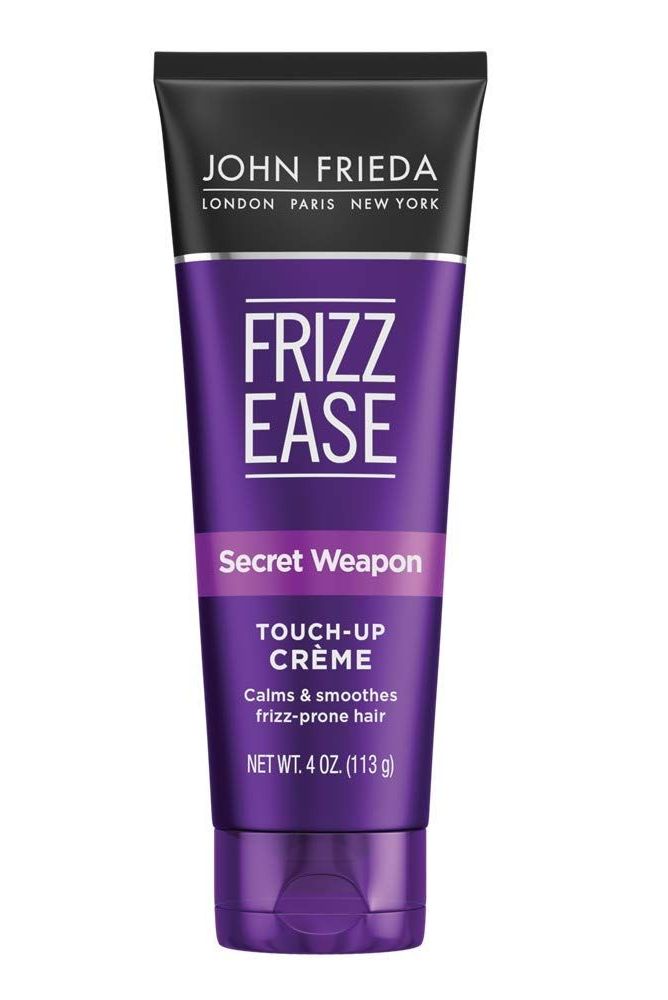
TYPE 3: Curly hair
Defined by its natural curl pattern, which can range from springy ringlets or spirals that can be loose to tight coils. “It typically has more volume and body, but can also be more prone to dryness and frizz since natural oils have a harder time traveling down the curl,” Lliguin says. “The best way to care for type 3 hair is to focus on consistent moisture and gentle handling to preserve the curl pattern. Because curls are naturally more prone to dryness, they benefit from hydrating cleansers, regular conditioning, and treatments that keep the hair soft, elastic, and resilient.”
Type 3a
Unlike 2c hair, which has mostly waves and a few loose curls, 3a hair is mostly loose curls with just a few waves. 3a curls tend to be finer, easily blown out, and super reactive to the elements (Humidity! Wind! Dryness!).
Type 3b
3b hair types usually have curls that are the circumference of your finger or a marker. These curls are springier and tighter than 3a curls, but they’re also more prone to dryness and frizz.
Type 3c
3c curls are noticeably tighter than 3b curls—think the size of a straw or pencil—and are thickly packed together, giving your hair major volume. They’re also the most prone to dryness and breakage of the type 3 curls.
Best products for type 3 curls
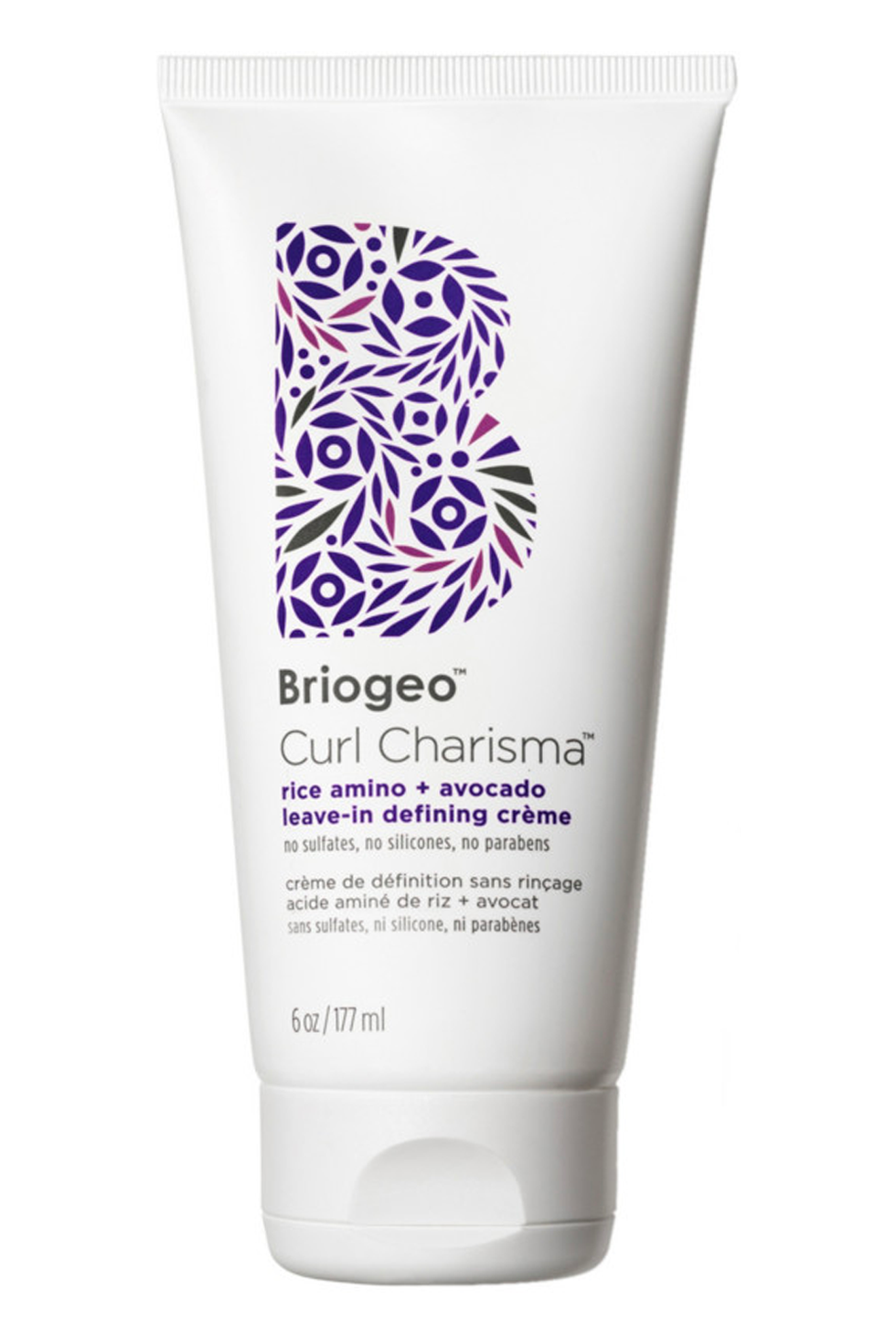
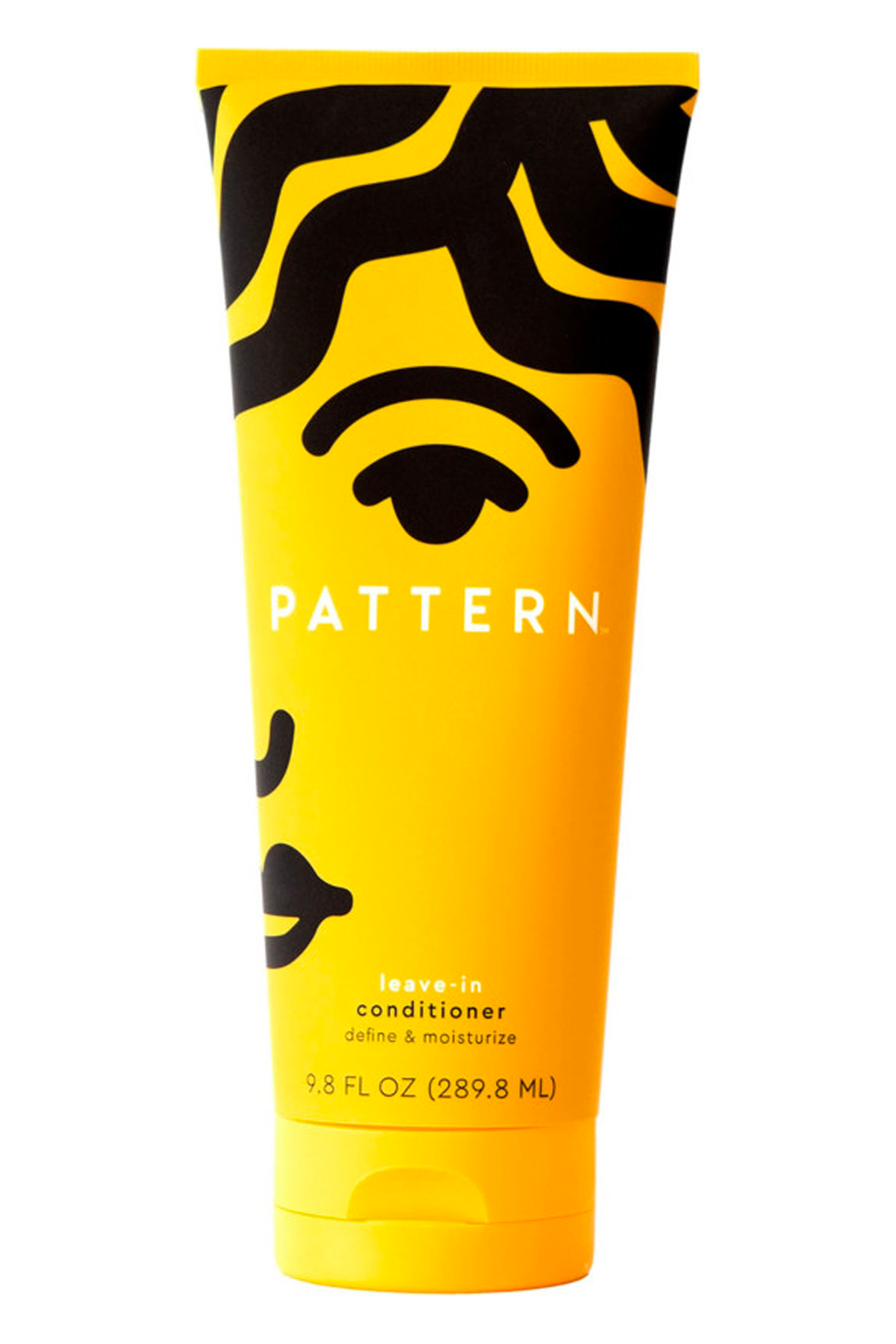

TYPE 4: Coily hair
Aka zig-zag curls or “natural” hair, this type has a dense, voluminous texture that can range from soft coils to more compact, angular shapes. “It tends to be the most delicate hair type because natural oils have the hardest time traveling down the strand, making it more prone to dryness, shrinkage, and breakage,” Lliguin says. “Type 4 hair typically needs deep, consistent nourishment and gentle care, with rich, plant-powered formulas that support moisture retention, strengthen the hair fiber, and honor the integrity of the natural coil pattern.”
Type 4a
4a hair has the tightest, smallest coils—often mixed with some 3c curls—that can just barely wrap around a crochet needle. Your coils can lose definition and moisture fast, which means your BFF for 4a hairstyles? A curl gel for finger-coiling.
Type 4b
Rather than curling or coiling around itself, 4b (and c!) hair bends in a sharp, zigzag shape that has the circumference of a spring in a ballpoint pen. 4b hair is more prone to shrinkage and dryness than 4a, so keep hair moisturized and defined with an elongating gel.
Type 4c
4c hair has a Z-shape pattern that's way tighter than 4b hair, and it also naturally has fewer cuticle layers than any other hair type (FYI: The cuticle retains hydration and protects hair from damage), meaning it needs moisture, moisture, and more moisture.
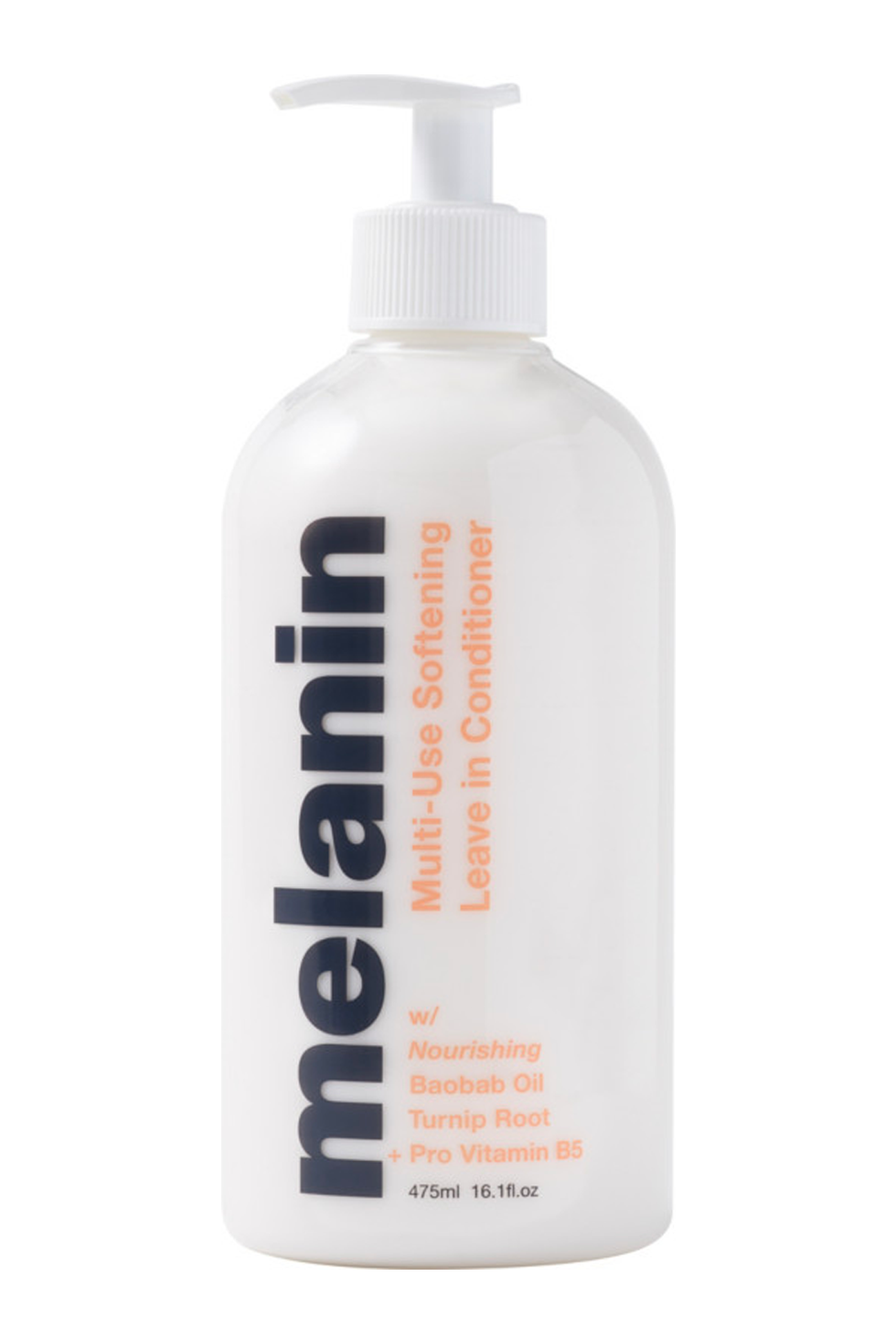
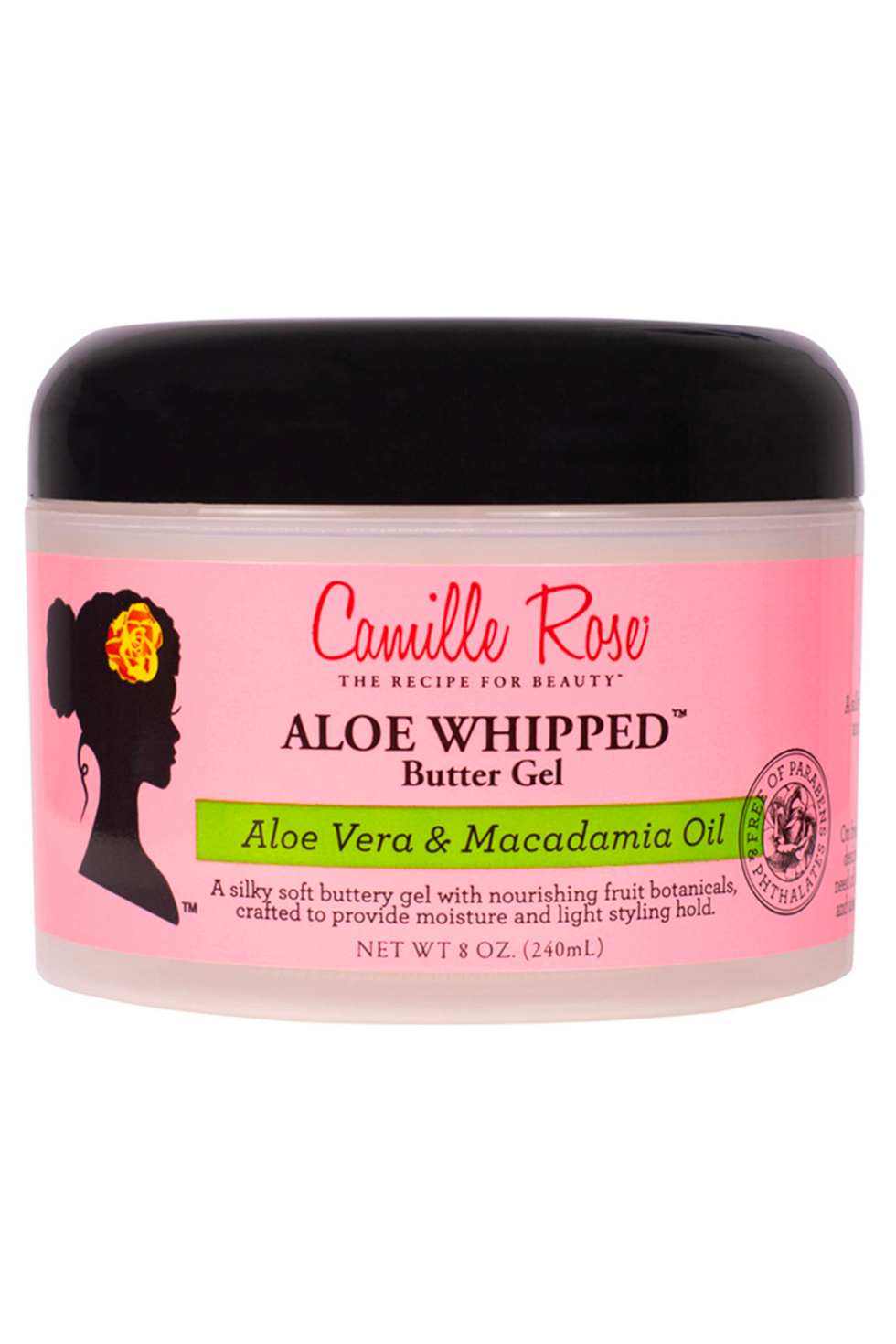
Best products for type 4 coils

If you have more than one hair type, which should you focus on?
“It’s completely normal to have more than one hair type on your head,” Lliguin says. “Hair can vary in texture, porosity, and density across different areas of the scalp. This could be due to a variety of factors, including genetics, environment, and even how you style it day to day. I always recommend focusing on your most delicate or demanding area, whether that’s dryness at the ends or oiliness at the scalp, and building your routine around what your hair needs most. This allows you to bring the entire head of hair back into balance while still honoring its natural variation.”
Can your hair type change over time?
“Yes, your hair type can definitely change over time due to factors like hormones, aging, and the environment,” Lliguin says. “Even the way that you care for your hair can shift its texture, porosity, and overall behavior. I see hair as something that evolves, which is why it’s important to continually listen to what it needs and adjust your routine to support its natural balance at every stage.”
Meet the expert:
Fabian Lliguin is a hair expert, environmentalist, and founder of clean beauty hair brand Rahua.
Why trust Cosmopolitan?
Celia Shatzman (she/her) is a Brooklyn-based journalist who has covered beauty for two decades and took nearly that long to finally figure out her hair type.

Chloe Metzger is the deputy beauty director at Cosmopolitan, overseeing the editorial content and growth strategy of the hair, makeup, and skin space on digital, while also obsessively writing about the best hair products for every hair type (curly girl here; whattup), and the skincare routines that really, truly work (follow her on Instagram to see behind-the-scenes pics of that magazine life). She brings nearly a decade of writing and editing expertise, and her work has appeared in Allure, Health, Fitness, Marie Claire, StyleCaster, and Parents. She also has an unhealthy adoration for Tom Hanks and would like to please meet him one day, if you could arrange that. Thanks.
Celia Shatzman (she/her) is a Brooklyn-based writer and editor who has penned stories on topics ranging from beauty to fashion, travel, celebrities, health, entertainment, finance and more. A graduate of the Medill School of Journalism at Northwestern University, she is a beauty and style contributor at Forbes and her work has appeared in New York, Cosmopolitan, WWD, ELLE, Conde Nast Traveler, Afar, Travel + Leisure, Women’s Health, Marie Claire, Byrdie, Refinery29 and NYLON, among others.


