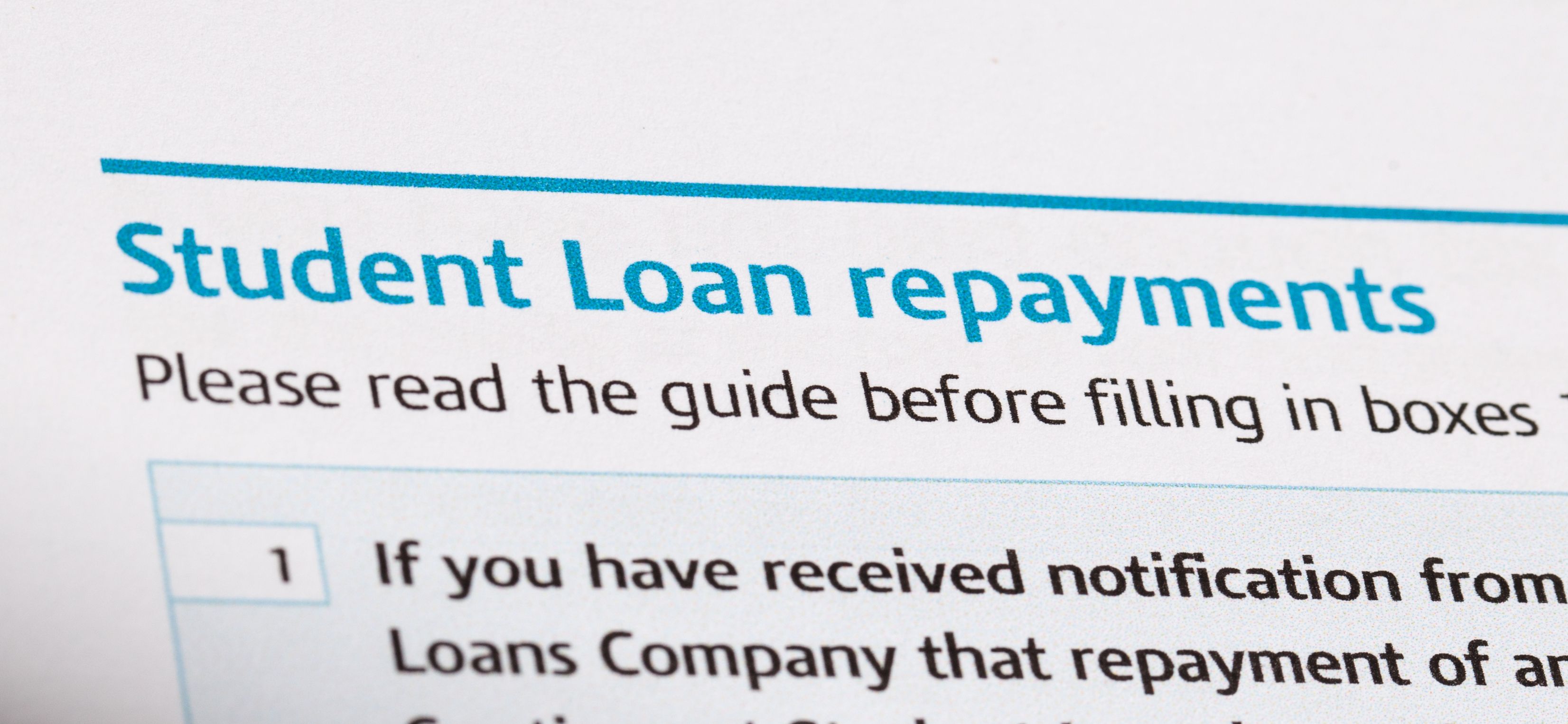

After student loan interest rates rose to 6.1% in September 2017, graduates understandably began to feel swamped by the increasing debt that hung over their heads from university fees and the interest they had to pay on them.
This in turn started a debate amongst students and their parents alike: should you try to overpay a student loan in lump sums if you can, in order to reduce the interest?


Money Saving Expert Martin Lewis told The Guardian the answer comes down to whether the graduate is likely to be earning over £40,000, with regular pay increases, for the next 30 years or not.
Let's take a step back for a sec. So if you borrow the full student loan for a three year course, you would owe around £50,000, with £6,000 of that being interest. Graduates don't start paying this off until they earn £25,000 a year, thanks to new legislation brought in in April 2018, and if a graduate doesn't pay off their student loan within 30 years, any remaining debt is wiped.
According to Lewis, a graduate earning a starting salary of £40,000 with a two per cent above inflation pay rise each year would clear their debt within 30 years, so would benefit from overpaying to cut the interest paid.


But, if you're not earning such a large sum, Lewis says "overpaying is just throwing money away” because the interest on the remaining debt means you won't pay off the student debt and interest within the 30 years regardless.
Everyone's clicking on...
Research by the Institute of Fiscal Studies has found that 77 per cent of students will never earn enough to repay their loans off before its wiped, so they would be better off not attempting to overpay.
To give an example, Lewis explains that a graduate earning £36,000 a year will repay £40,500 of a £55,000 total student loan over 30 years, before the debt is wiped clean. If the same graduate makes an overpayment of £10,000 to cut their student loan to £45,000, they will still have to repay the same amount of student loan over 30 years regardless of the interest increase, before it's wiped clean - so the extra £10,000 is wasted, and would have been wiped.


Overpaying is only beneficial if you're likely to pay off your whole student loan before the 30 years is over, because it will decrease the interest. If you're not? Any student loan is wiped anyway, so the overpayment would be wasted.
Find out more here.

Dusty Baxter-Wright is an award-winning journalist and the Entertainment and Lifestyle Director at Cosmopolitan, having previously worked at Sugarscape. She was named one of PPA’s 30 Under 30 for her work covering pop culture, careers, interiors and travel, and oversees the site’s Entertainment and Lifestyle strategy across print, digital and video. As a journalist for the best part of a decade, she has interviewed everyone from Louis Theroux and Channing Tatum to Margot Robbie and Ncuti Gatwa, while she has also spoken on Times Radio and BBC Radio. You can find her on Twitter and Instagram here.