Knowing how to clean suede shoes is necessary info if you've invested in a pair of Birkenstocks, suede ankle boots or textured fashion trainers. As much as we try and keep them looking box fresh, it's an inevitability that they'll end up getting a bit dirty through everyday wear. Especially in the UK! With rain seemingly constantly on the forecast, you're bound to step in a puddle as you're rushing about, not looking where you're going.
But have no fear – your suede shoes aren't a lost cause once they get damp or muddy. There *is* a way to clean them, and it's much easier than you think! All you'll need is the following five things: a rubber or eraser, some white vinegar, baking soda, a flannel or face cloth and a suede brush or nail brush.
Yep, that's right – the trick for cleaning suede shoes relies on everyday household products, meaning you won't have to fork out for some fancy equipment. Although having said that, a suede brush and, more importantly, suede protector can be good investments to make. After all, what's better than treating an issue is preventing one from even happening, IMO.
What you'll need:
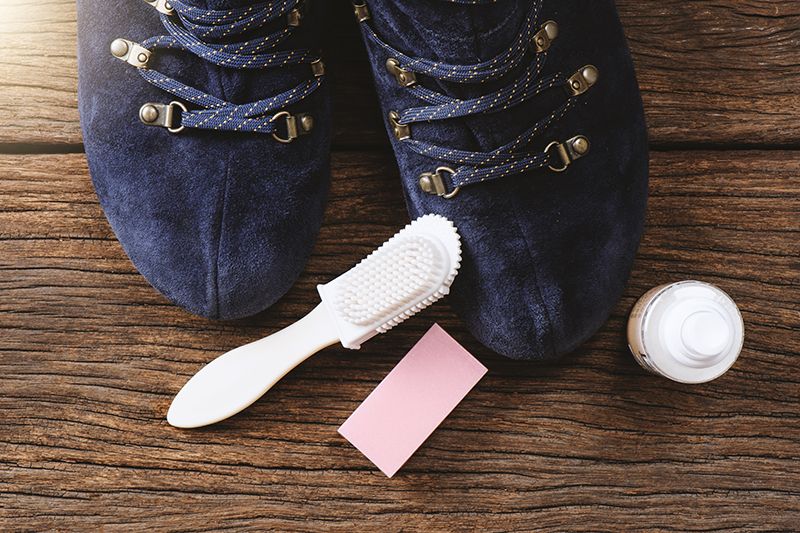

- A suede brush or nail brush
- White vinegar
- Baking soda
- A flannel or cloth
- Rubber/eraser
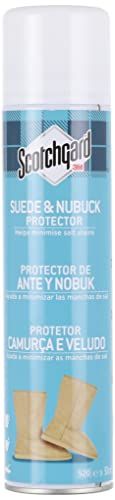
- Suede protector (optional, but advised!)
As for the actual process of cleaning your suede shoes, that's really pretty simple, too. So much so, we've condensed it down into five easy steps along with some helpful tips courtesy of the pros at Birkenstock. As long as you have the right bits and bobs lying around your house, you'll be able to salvage your suede shoes from all kinds of dirt and get them looking as good as new. And, believe us, it *actually* works.
Here are five easy steps to quickly and effectively clean suede boots, trainers, heels and sandals:
Warning: make sure your shoes are dry before starting! Whether it's a damp patch or some wet mud, let that excess moisture dry out as much as possible before you attempt to clean your suede shoes. Otherwise, you'll just rub the particles further into the fabric, making it harder to remove in the long run. Don't be tempted to put them in the sun or get the hair dryer on them to speed this part up; simply let them air dry and have patience.
1. Start by using the suede brush to remove any excess dirt and grit from the surface of the shoe
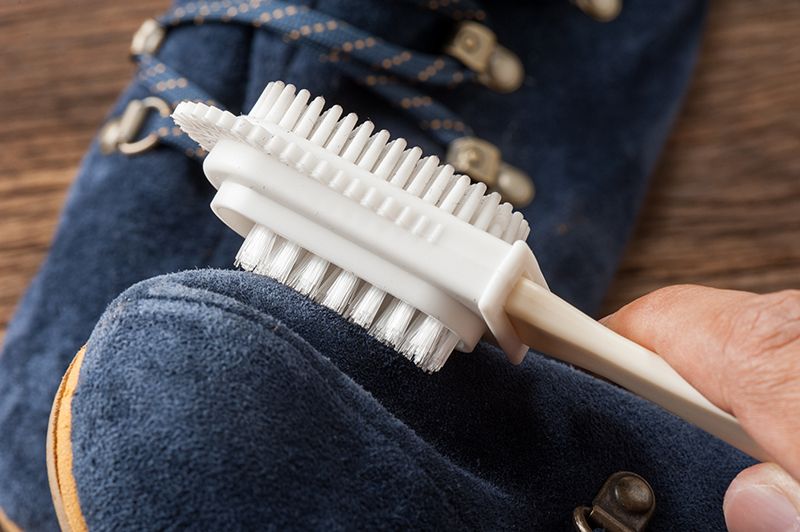

Once your shoes are dry, begin by using light strokes in one direction to brush the surface of the shoe, removing loose particles and grit. When brushing, you want to go with the grain (AKA, in the same direction the suede naturally sits).
For more stubborn marks, like scuff marks, apply more pressure and move the brush in a swift back-and-forth direction to help raise flattened suede fibres to further aid with cleaning.
If you don't have a suede brush, a clean nail brush or toothbrush will work just as well.
2. Next, use the rubber to try and shift the remaining marks
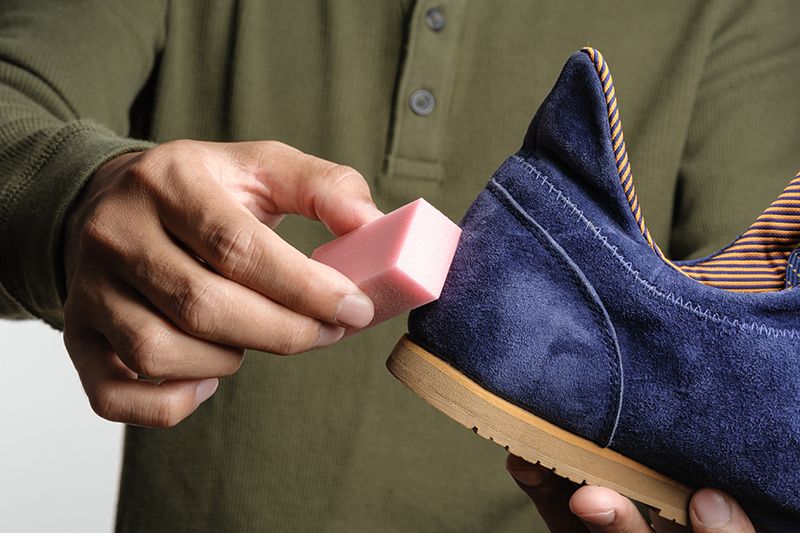

If you have a suede rubber, that's even better, but your regular pencil-case version will still work well, providing the rubber has been buffed free of any pre-existing stains first.
Just as you did in step one, use the same rigorous back-and-forth motion and adequate pressure on the stain. If, after a while, you decide it's still not working, don't force it – you don't want to go too hard on the suede and risk damaging the shoe.
3. If the stain still won't budge, try white vinegar or rubbing alcohol
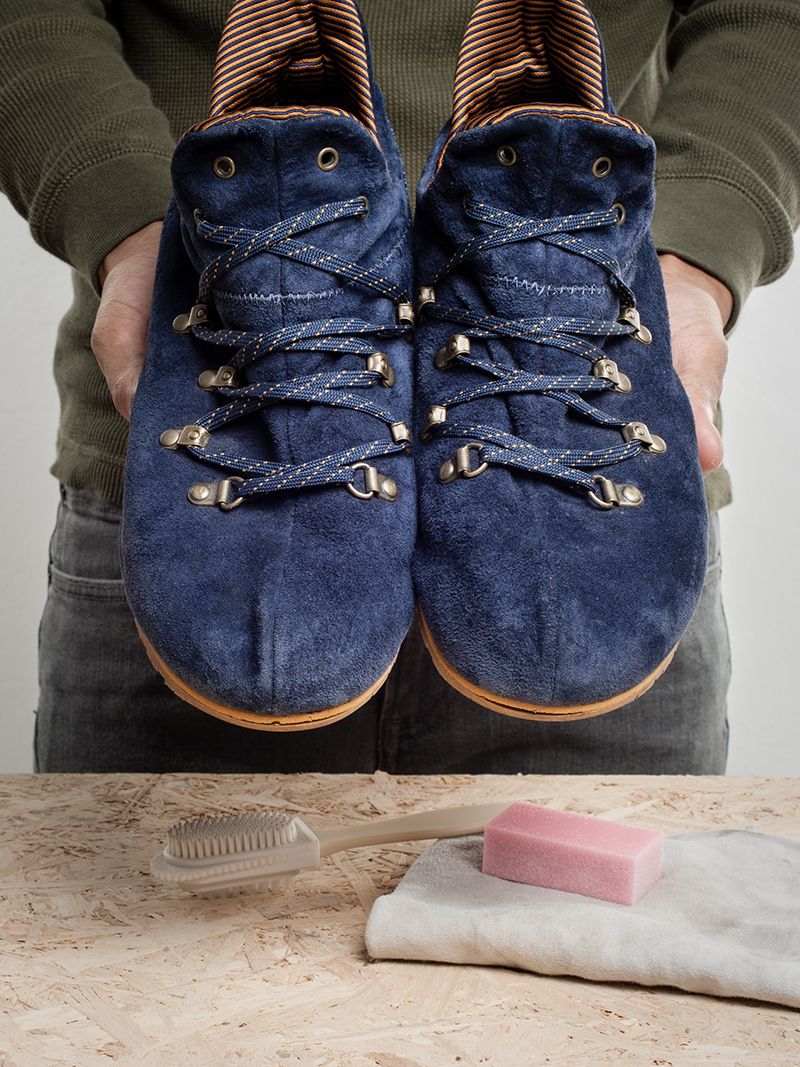

While applying liquids such as white vinegar and rubbing alcohol might seem counterintuitive, their acidic compositions mean they're actually brilliant at breaking down particle clumps, which is exactly what you want for cleaning.
Dip the corner of a flannel or washcloth into a small bowl of vinegar or rubbing alcohol (being careful not to drench the whole cloth) and ring out any excess liquid. Remember: less is more here. Delicately dab the damp corner against the stain on your shoe, massaging it into the suede. If nothing seems to be happening, rather than adding more liquid, instead add more pressure, reverting to the trusted back-and-forth motion.
The liquid will temporarily dampen the suede, altering the colour of the fabric before evaporating and returning it to its original colour. To determine if the stain has been properly removed, you might need to repeat this step a few times, allowing the suede to dry in between.
Keep working at the mark and redipping your flannel into the vinegar/alcohol, where necessary, to effectively remove the stain. The key to this step is repetition and patience – you don't ever want to soak your shoe. Remember, excess liquid is *not* good for suede.
If you're nervous about going in with harsh ingredients, Birkenstock sells a Footbed and Shoe Cleaner designed to remove stains and soiling from all Birkenstock shoes. Use with your suede brush for tougher stains, or with the spray's accompanying sponge.
Oh, and one final note, don't worry about the smell of the liquids transferring onto your shoes as this will fade over time.
4. If a stain is from oil or grease, try baking soda
Of all the stains to remove, having a run-in with an oily or greasy substance is likely the worst. But don't worry, it's not an instant game-over for your suede shoes. Enter: baking soda.
Before you start, you'll want to do a patch test to check how your footwear reacts. We'd recommend choosing a small spot at the back of your shoe where it will be least noticeable. If nothing seems off, you're ready to begin.
Carefully blot off any excess oil/grease with a clean cloth and sprinkle a generous amount of baking soda on the stain so that it is completely covered. Leave it to sit for as long as possible – a few hours will do the trick, but leaving it overnight is ideal.
Once the waiting is over, gently remove the baking soda using a nail brush or suede brush before inspecting your handiwork. You'll want to repeat the process until you're satisfied.
Top tip: After cleaning, don't forget to revitalise the texture of your suede shoes. The experts at Birkenstock recommend you roughen the suede in one direction with a suede brush or a brass brush to restore its natural nap.
5. Finally, finish with a suede protector
Remember what we said about preventing stains? Once your suede shoes are clean and back to looking as good as new, take the time to apply a suede protector.
Not all suede protectors are made equal. Reviews often cite permanent colour changes when using particular products, so if you intend on using a protector, the best approach is to base your selection on customer ratings and reviews to avoid any unwanted results. And again, if in doubt, patch test.
Birkenstock recommends applying its footbed & shoe protector to your Birks to protect against the elements and to shield suede from moisture and dirt. “Always spray from a distance of 20–30 cm and evenly spread droplets with a cloth for best results,” they advise.
What not to do when cleaning suede shoes?
We've banged on about it a lot, but the number one thing NOT to do when cleaning suede shoes is to get them wet. Don't spray water on them or go in heavy with a soaking wet cloth. If your suede shoes do get soaked, you can help the process along by absorbing as much water as possible with a paper towel or clean, dry microfibre cloth. You could also stuff your shoes with paper towels or a cloth to help them keep their shape as they dry.
It's also not advised to go rogue and start reaching for any old cleaning products you find in your cupboard. Harsh chemicals are a big no-no for suede, even baking soda when used in excess can be too abrasive for the soft fabric. Stick to our list above and your shoes will be good as new in no time!
How to keep suede shoes clean for longer?
This all comes down to the products you use. To get your suede shoes back to looking sparkling new – and keep them that way – we'd definitely advise adding a suede brush and suede protector to your basket ASAP. Then, after each wear, take the time to give them a once-over and if you spot any dirt, scuffs or marks, seeing to them with your suede brush or spray will be a quick and easy job.
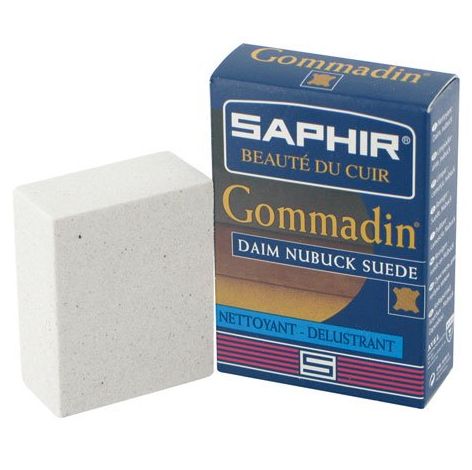
Shop the top customer-rated suede cleaning products on Amazon:
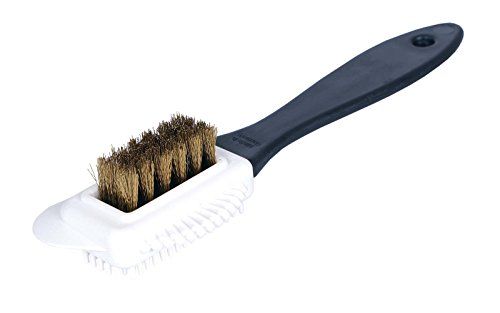
Kaps Quality nubuck and suede multifunctional 4-sided cleaning shoe brush


Natasha Harding is the former Fashion Editor (Digital & Print) at Cosmopolitan & Women's Health UK. Working in fashion journalism for just under ten years, she’s covered over 30 international fashion weeks, hundreds of red carpets and religiously scours the runway every season to create the brand’s bi-annual trend report. Joining Cosmopolitan back in Australia, Natasha moved to London a few years ago and is now the resident expert for celebrity style and industry news, fashion features and e-commerce. Follow Natasha on Instagram
Courtney Smith is Fashion Assistant at Cosmopolitan UK and Women's Health UK, where she works across both print and digital. She has been in the fashion industry for over nine years, initially as a model and later as a fashion assistant and writer in media. When she is not assisting on shoots with the likes of Tom Daley and Raye or bringing about a surge in online hula hoop sales, she can be found at the ponds getting in some quality time with her one true love: swimwear.