In a nutshell: an expert pharmacist from Boots, Bina Mehta, and pro registered nutritionist, Kirsten Oddy, explain the best vitamins to take whilst pregnant, including:
- Folic acid
- Vitamin D
- Multi-vitamins
When it comes to health, even if you're 'eating the rainbow' and regularly scoring a 10 when it comes to getting your 5 a day, there are still times that your body might need a helping hand in getting the full and proper nutrients in – especially if you're pregnant.
During such an exciting life stage, and at a time where there's so much change going on in your body (well, it is growing an entire new human, after all!), it's hardly surprising that you might need a little extra helping hand. But what are the best prenatal vitamins to take when you're pregnant? And what's the deal with folic acid (e.g. can you start taking it from 4 weeks pregnant, or does it only 'count' it you start from day one)?
To answer all these questions and more, we asked Boots' expert pharmacist Bina Mehta
What are the best vitamins to take in pregnancy?
You're probably familiar with folic acid being a good supplement to take during pregnancy (see the below point for more on that specifically), but Mehta also points out that it's important to ensure you are getting enough vitamin D.
"It contributes to your baby’s healthy bone development and keeps your own bones, muscles and immune system healthy too," she advises. "Pregnancy aside, a daily 10 microgram supplement is recommended for everyone during autumn and winter, and if you have darker skin or don’t spend much time outdoors you should take one all year round."
When it comes to telling what supplements are high quality, Mehta says the most important thing to check is that the supplement provides the right amount of nutrients needed. "For example, 10 micrograms of vitamin D and 400 micrograms of folic acid is recommended for pre-conception and pregnancy supplements."
Mehta also notes that one quick and easy way to top up your vitamin levels is through a multi-vitamin, created with pregnancy in mind. When looking at multi-vits, Oddy adds that if possible, opt for one that contains choline.
"Choline plays a vital role in baby's brain development and helps to prevent abnormalities of the brain and spine," she explains. "A good quality prenatal, with an additional fish oil supplement to get an Omega 3 hit, will help ensure you have all the adequate nutrients required for a healthy pregnancy."


What's the deal with folic acid (is 4 weeks pregnant too late to start taking folic acid)?
"Folate is a B vitamin that plays an integral role in DNA synthesis, red blood cell production, and fetal growth and development," says Oddy. "It’s recommended to take at least 400 micrograms (mcg) of folic acid - or the more biologically active form of Folic Acid, Folate - per day, for 3 months prior to conception, to reduce the risk of neural tube defects and congenital abnormalities."
She points out that women who are at a higher risk of having babies with neural tube defects might benefit from up to 5mg a day; but explains a doctor will notify you if this is relevant to you (and offer you a prescription).
"Folic acid helps the baby’s neural tube, which is part of the baby’s nervous system, to grow," Mehta agrees. "Taking a folic acid supplement has also been shown to reduce the risk of the baby developing spina bifida and other conditions affecting their neural tube and spine."
Mehta also recommends that if you're trying to conceive, ideally you should take a daily supplement containing 400 micrograms of folic acid around three months before you hope to get pregnant, too.
Are there any pregnancy vitamins to avoid?
You should avoid supplements containing vitamin A (retinol) during pregnancy, as large amounts of vitamin A can harm your unborn baby. "If you're considering taking any supplement other than those specially formulated to support when trying to get pregnant, maintaining a healthy pregnancy or whilst breastfeeding, it is important to check with your pharmacist or doctor to ensure the product is suitable for you to take," Mehta clarifies.
What vitamins should you take post-birth/when breastfeeding?
After the baby’s birth, a healthy varied diet should provide all the nutrients you need, says Mehta, though it’s still recommended to take a daily vitamin D supplement. That said, it's a super busy, tiring and challenging time for many new parents, so the expert notes that Vitamin B12 can help reduce tiredness and fatigue, while calcium and magnesium will help support healthy bones.
"If breastfeeding, consider a supplement containing the Omega 3 fatty acid, DHA, which is essential for your baby's brain and eye development," she adds. "You will also need to ensure that your baby gets enough vitamin D.
"It’s recommended that breastfed and bottle-fed babies are given a vitamin D supplement from birth, unless they are having 500ml or more of formula milk a day as this is already fortified with vitamin D."
Much like there are for pregnancy and conception, there are also multi-vitamin supplements tailored to support your post-natal health, as well as those specially formulated for breastfeeding. "You can always speak to your local pharmacist to find the suitable option for you," Mehta says.
Oddy also notes that it's important to try and eat the right diet to support your body's healing during the fourth trimester: "A nutrient-dense diet full of complex carbs, fibre, healthy fats and protein, plus adequate hydration, are all crucial in helping your body to heal postpartum, too."
The best vitamins for pregnancy and breastfeeding
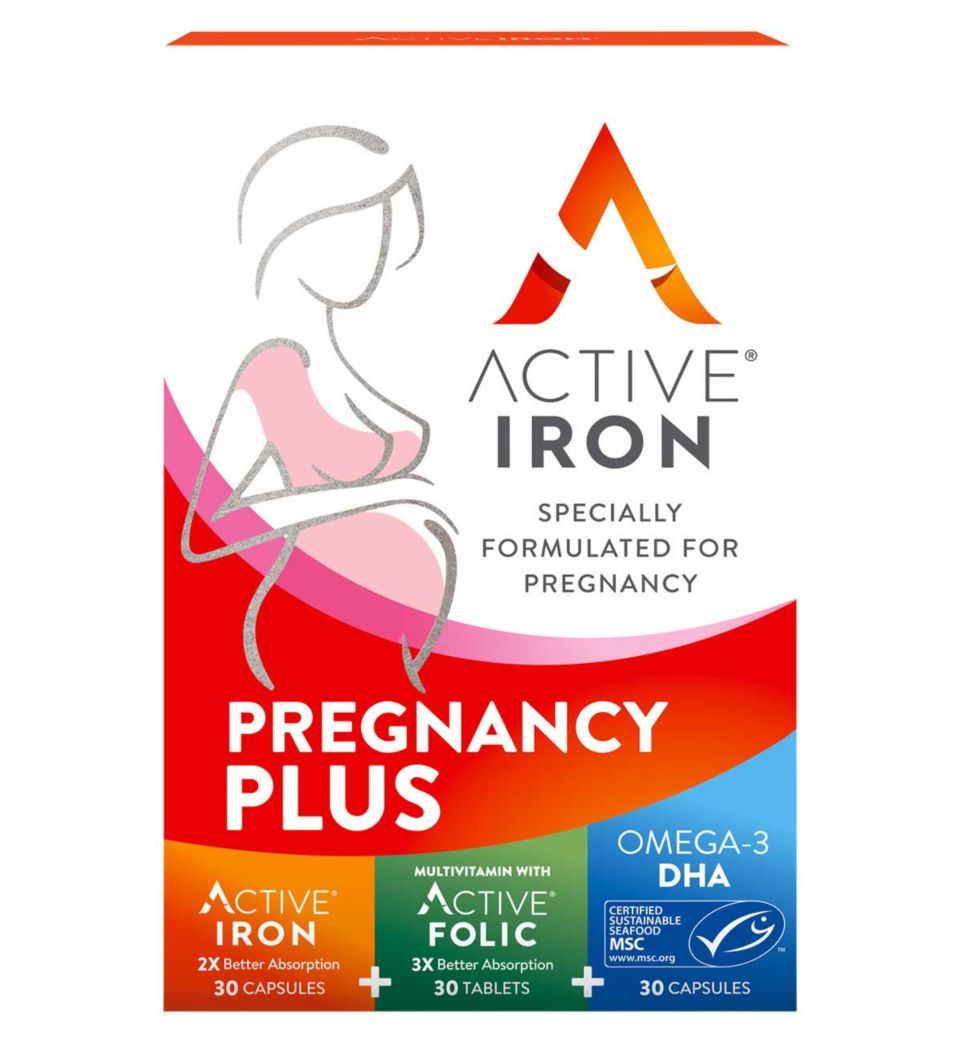
active iron Active Iron Pregnancy Plus Supplements
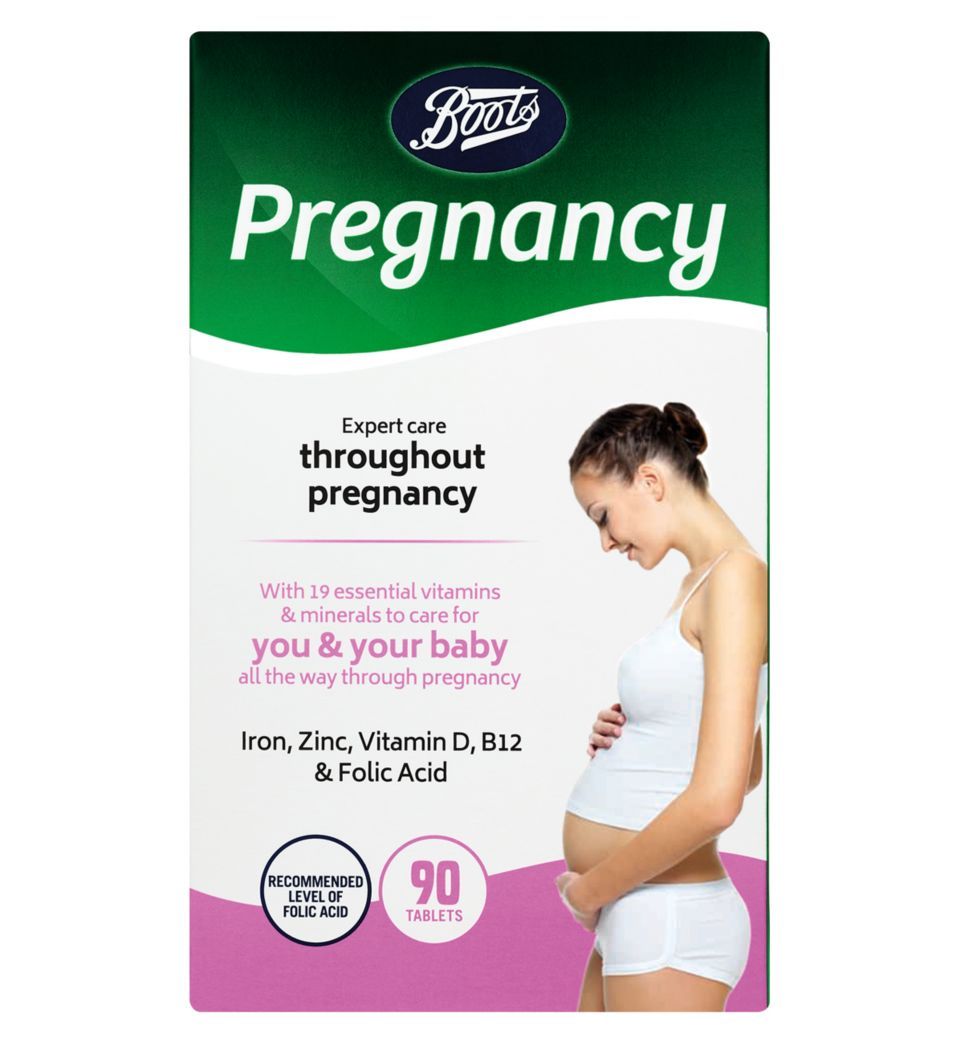
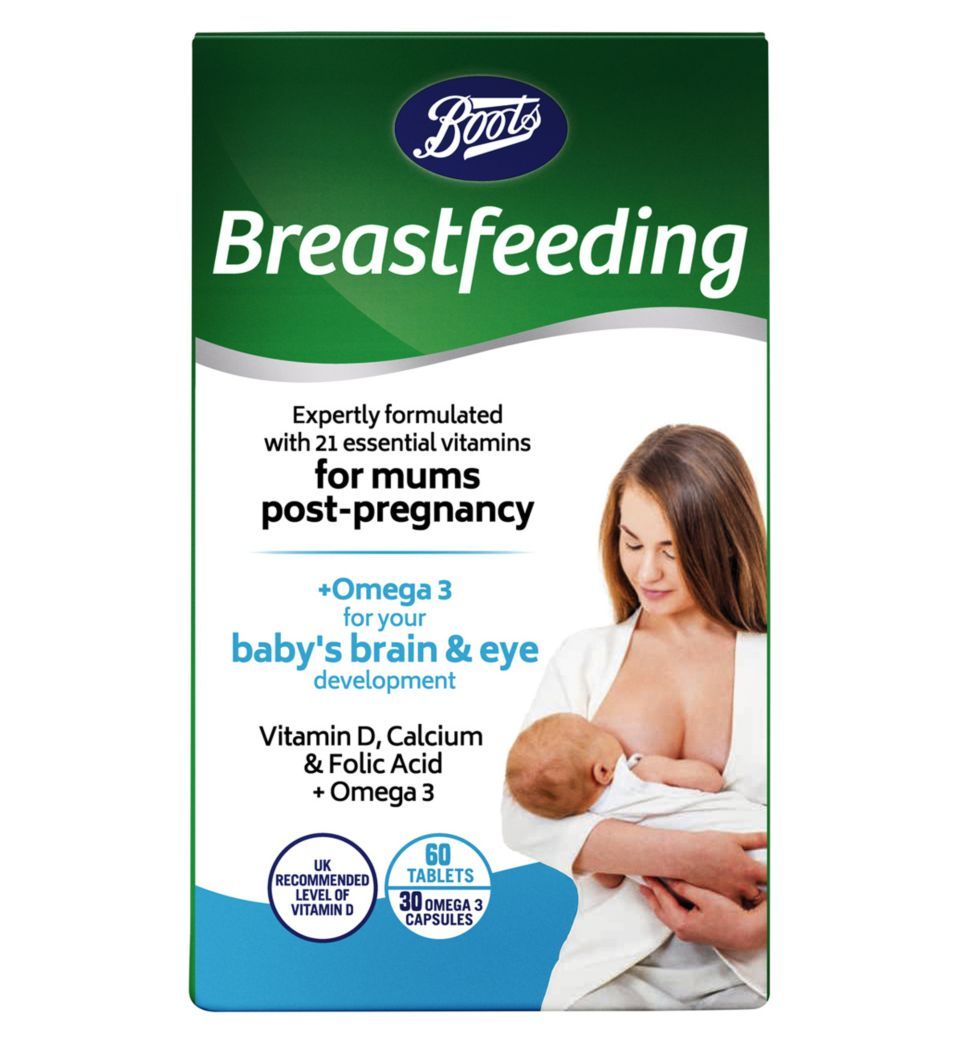
boots Boots Breastfeeding Essential Vitamins + Omega 3
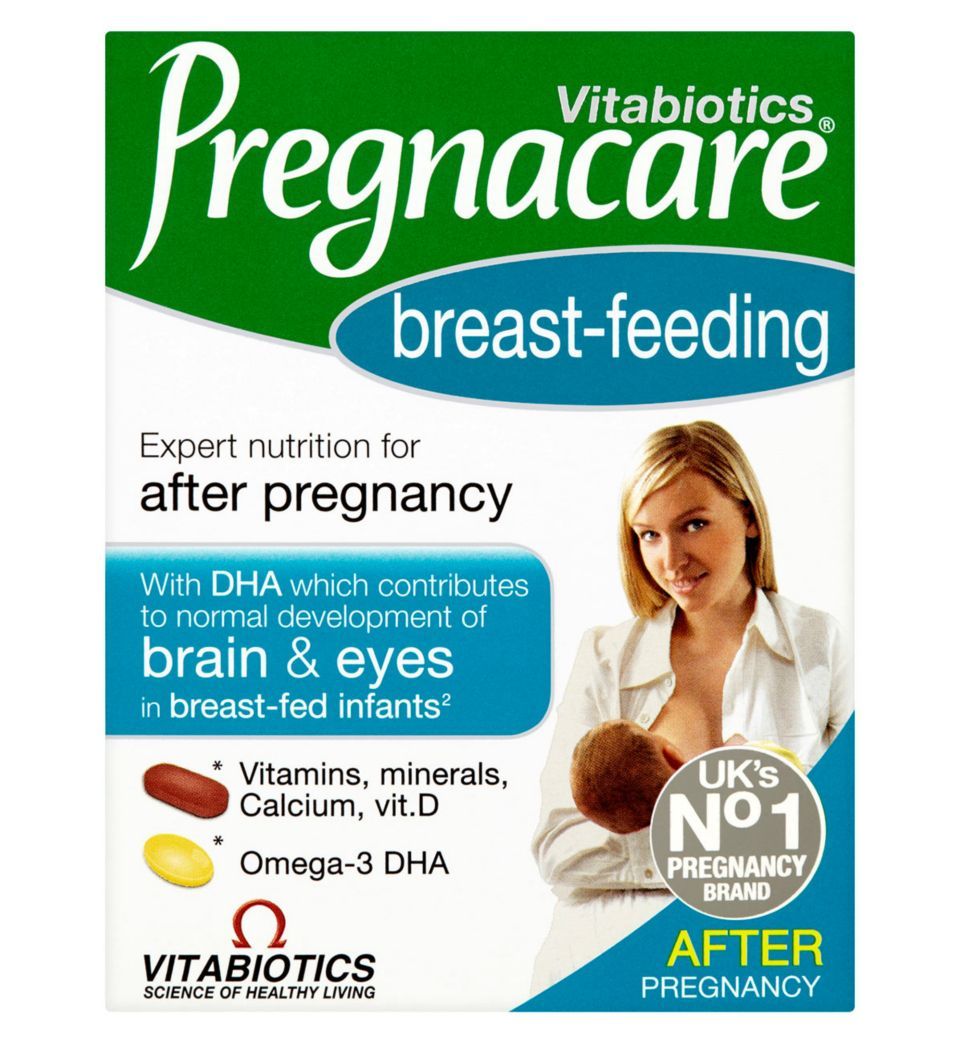
pregnacare Vitabiotics Pregnacare Breast-Feeding Dual Pack (28 Day Supply)
This article is not intended to be a substitute for professional medical advice or diagnosis. Always seek the advice of your physician or other qualified health provider with any questions you may have regarding a medical condition.
Jennifer Savin is Cosmopolitan UK's multiple award-winning Features Editor, who was crowned Digital Journalist of the Year for her work tackling the issues most important to young women. She regularly covers breaking news, cultural trends, health, the royals and more, using her esteemed connections to access the best experts along the way. She's grilled everyone from high-profile politicians to A-list celebrities, and has sensitively interviewed hundreds of people about their real life stories. In addition to this, Jennifer is widely known for her own undercover investigations and campaign work, which includes successfully petitioning the government for change around topics like abortion rights and image-based sexual abuse. Jennifer is also a published author, documentary consultant (helping to create BBC’s Deepfake Porn: Could You Be Next?) and a patron for Y.E.S. (a youth services charity). Alongside Cosmopolitan, Jennifer has written for The Times, Women’s Health, ELLE and numerous other publications, appeared on podcasts, and spoken on (and hosted) panels for the Women of the World Festival, the University of Manchester and more. In her spare time, Jennifer is a big fan of lipstick, leopard print and over-ordering at dinner. Follow Jennifer on Instagram, X or LinkedIn.