You’re ready to go. Your water bottle is full, you’ve donned your lululemons and your shiny new running shoes are laced up… but the thought of actually going outside to run a 5K? It’s just not vibing with you. Even though, somehow, everyone else seems to be loving their runs (and run clubs, and posting their Strava times) all across socials. But fear not, maybe there’s a very legit reason as to why pounding the pavements has just never appealed to you personally.
New research suggests our personality type has a part to play in what exercise suits you best.
A study by University College London recruited 132 volunteers (of which 86 finished the study) for eight weeks and each participant was required to do three weekly bike rides of varying intensity, as well as one bodyweight strength workout. Ok, so the numbers assessed aren’t huge, but the results are certainly still food for thought…
During the study, the participants, who had their personality types assessed beforehand, were asked to rate their enjoyment of each activity (if you’re keen to see what personality type you are, follow this link here).
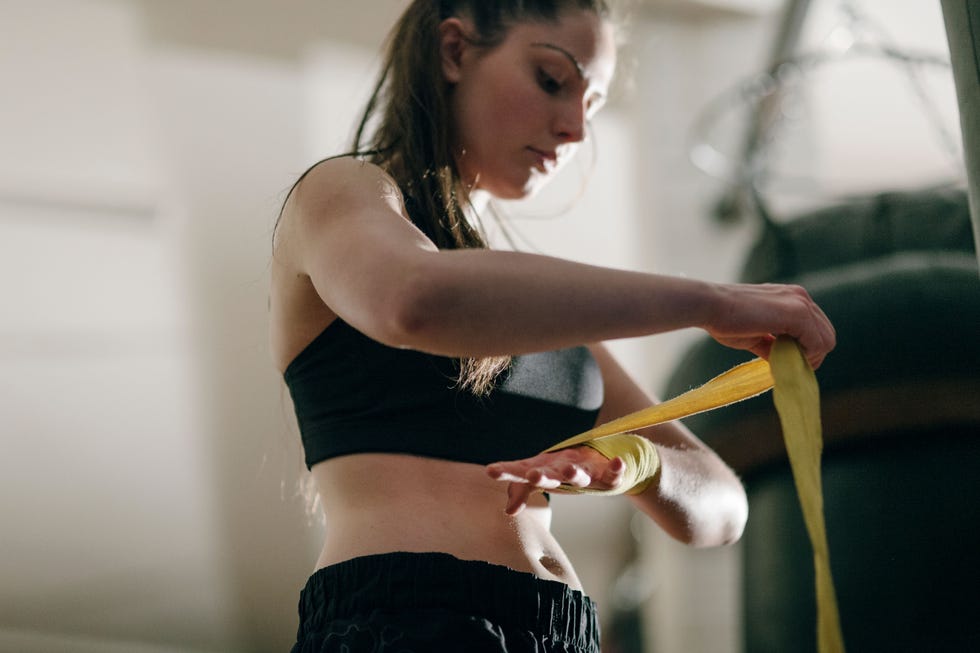
The five personality types defined in the study are as below:
Conscientiousness: People with high conscientious traits tend to be responsible, reliable and goal orientated, with high levels of self-discipline and control.
Everyone's clicking on...
Agreeableness: Those with high agreeableness traits are kind, co-operative and altruistic, who put value upon people getting along.
Neuroticism: People who experience high levels of neurotic traits tend to be more prone to stress, self-doubt and anxiety. Neurotic individuals tend to be risk adverse and victims to negative emotionality.
Openness: Individuals with high openness traits are those most willing to embrace new experiences and perspectives. They are thought to happily adapt to new situations and express curiosity over novel concepts vs other personality types.
Extroversion: People who are extroverts are outgoing and enjoy being in social situations, as well as being assertive and enthusiastic.
Dr Flaminia Ronca, of UCL’s Surgery and Interventional Science and the Institute of Sport, Exercise and Health (ISEH), said in conclusion of the study: “We know that the global population is becoming increasingly sedentary.
“You often hear about people trying to become more active, but struggling to make lasting changes.
“We found some clear links between personality traits and the type of exercise the participants enjoyed most, which I think is important because we could potentially use this knowledge to tailor physical activity recommendations to the individual.”
So, what is the best workout plan for each personality type? Well, we’ve got you covered, with the results below. Cosmopolitan UK also spoke to Michael Betts, director of TRAINFITNESS and PT with 35 years experience about the best exercises depending on your personality type with a full workout guide for you to follow depending just what your personality says about you...
What’s the best workout for my personality type?
Conscientious
The research found participants with high conscientious traits had the most well-rounded fitness levels, and no particular workout style preference, which led researchers to conclude they are more driven by the positive health outcomes, rather than enjoyment of exercise.
“Conscientious people should create a detailed weekly schedule that hits all fitness components systematically,” Betts explains. “Setting specific, measurable goals every month works well for this personality type. This might mean adding weight to their squat, running 5km faster or even increasing the amount of time they hold a plank.
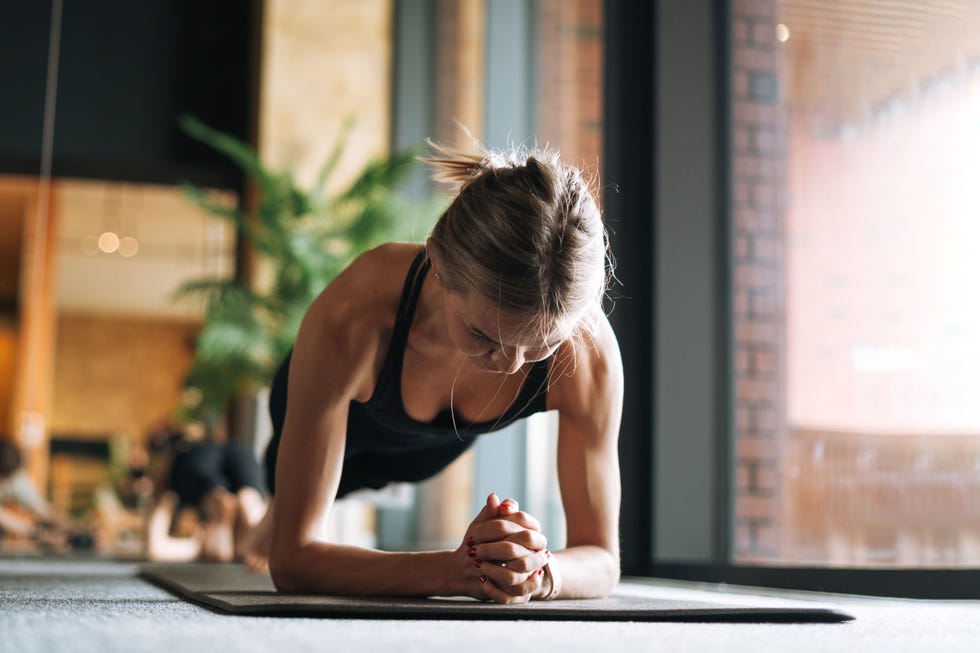
“They should schedule their workouts like important appointments. Conscientious people respond well to routine, so exercising at the same time each week helps build the habit.”
Conscientious Personality - Weekly Workout Structure
Monday - Upper Body Strength
- Bench press: 4 sets of 8-10 reps
- Bent-over rows: 4 sets of 8-10 reps
- Overhead press: 3 sets of 10-12 reps
- Pull-ups/lat pulldowns: 3 sets of 8-12 reps
- Dips: 3 sets of 10-15 reps
- Bicep curls: 3 sets of 12-15 reps
- Tricep extensions: 3 sets of 12-15 reps
Tuesday - Cardio (Moderate Intensity)
- 30-45 minutes steady-state running at 70-75% max heart rate
- 10 minutes cool-down walk
- 15 minutes stretching routine
Wednesday - Lower Body Strength
- Squats: 4 sets of 8-10 reps
- Romanian deadlifts: 4 sets of 8-10 reps
- Bulgarian split squats: 3 sets of 10 reps per leg
- Hip thrusts: 3 sets of 12-15 reps
- Calf raises: 4 sets of 15-20 reps
- Walking lunges: 3 sets of 12 steps per leg
Thursday - Active Recovery/Mobility
- 20 minutes yoga flow
- 15 minutes foam rolling
- 30 minutes brisk walk
Friday - Full Body Strength
- Deadlifts: 4 sets of 6-8 reps
- Push-ups: 3 sets of 12-20 reps
- Goblet squats: 3 sets of 12-15 reps
- Planks: 3 sets of 45-60 seconds
- Mountain climbers: 3 sets of 20 reps
- Burpees: 3 sets of 8-12 reps
Saturday - Cardio (High Intensity)
- 5-minute warm-up
- 20 minutes interval training (2 minutes hard, 1 minute easy)
- 5-minute cool-down
- 20 minutes strength circuit
Sunday - Rest
Agreeable
The study found agreeable personality traits enjoyed the low intensity long bike rides in the exercise programme.
Betts stresses that those with high levels of the agreeable trait would be “better with longer, gentler activities that are sustainable and peaceful.”
“An agreeable person should build a routine around easier, longer duration activities like 40-60 minute walks, gentle bike rides, swimming at a relaxing pace or longer yoga sessions,” he continues. These activities are a great fit for the agreeable person's natural preference for avoiding high-stress situations while still being great for health.”

They are also more likely to stick to a routine that has a community element (think rub clubs or yoga and brunch). “[For this personality type, it’s most motivating] if they feels l part of a supportive community, rather than competing against others,” Betts says.
Agreeable Personality - Weekly Workout Structure
Monday - Gentle Group Fitness Class
- 45-60 minute low-impact aerobics
- Water aerobics or gentle Pilates
- Emphasis on supportive group environment
Tuesday - Long Steady Walk
- 45-60 minutes at comfortable pace
- Can be done with walking group or friends
- Heart rate in conversational zone
Wednesday - Machine-Based Strength Training
- Leg press: 3 sets of 12-15 reps
- Chest press machine: 3 sets of 12-15 reps
- Seated row: 3 sets of 12-15 reps
- Leg curl: 3 sets of 12-15 reps
- Shoulder press machine: 3 sets of 12-15 reps
- Assisted pull-up machine: 3 sets of 8-12 reps
Thursday - Swimming or Water Walking
- 30-45 minutes at comfortable pace
- Focus on enjoyment rather than intensity
Friday - Gentle Yoga Class
- 60-minute restorative or hatha yoga
- Group setting with supportive atmosphere
- Focus on flexibility and relaxation
Saturday - Recreational Cycling
- 45-90 minutes easy-paced ride
- Scenic routes, possibly with cycling group
- Emphasis on enjoyment and scenery
Sunday - Rest or Gentle Stretching
Neuroticism
Short, quick bursts of exercises that provide stress relief are best suited to neurotic personality types, the study finds.
“A neurotic person's workout should focus on stress reduction where they should have total control over their environment and the intensity,” Betts says. “Home workouts or quiet gym times work best, no external pressure or monitoring.
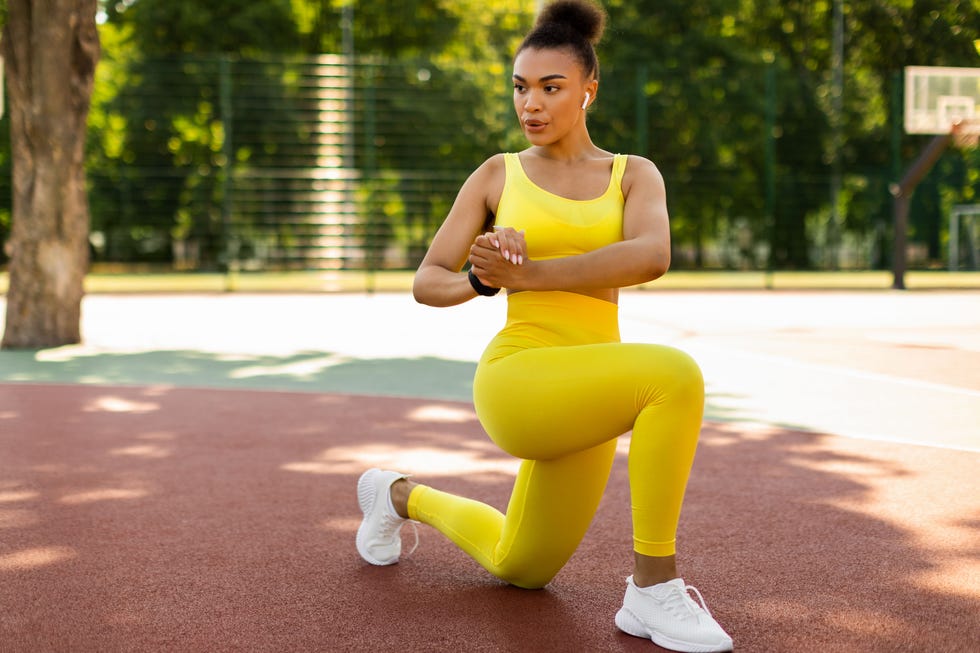
“They should design their routine around burst style workouts, so that they can start and stop as needed. This might be 10-15 minute bodyweight circuits, short yoga flows or brief but intense cardio sessions. Having control over intensity reduces anxiety about performance.”
Neurotic Personality - Weekly Workout Structure
Monday - Home Bodyweight Circuit
- Push-ups: 2 sets of 8-15 reps
- Bodyweight squats: 2 sets of 10-20 reps
- Plank: 2 sets of 30-60 seconds
- Glute bridges: 2 sets of 12-20 reps
- Wall sits: 2 sets of 20-45 seconds
- Total time: 15-20 minutes
Tuesday - Gentle Yoga Flow
- 20-30 minute calming sequence
- Focus on breathing and stress relief
- End with 5-10 minutes meditation
Wednesday - Short Cardio Bursts
- 5-minute warm-up walk
- 1 minute jog, 2 minutes walk (repeat 5 times)
- 5-minute cool-down walk
- Total time: 25 minutes
Thursday - Rest or Gentle Stretching
- 15-minute stretching routine
- Focus on tension release
Friday - Strength Bursts at Home
- Squats: 3 sets of 10 reps
- Modified push-ups: 3 sets of 8 reps
- Dead bugs: 3 sets of 8 per side
- Calf raises: 3 sets of 15 reps
- Rest 60-90 seconds between exercises
- Total time: 20 minutes
Saturday - Nature Walk
- 30-45 minutes peaceful outdoor walk
- Focus on mindfulness and stress reduction
Sunday - Complete Rest Day
Openness
Those who fall into the openness category should veer towards exercises that build upon new experiences and skills, as the study found lower interest in HIIT activities.
“This might be martial arts, rock climbing, dance classes or complex movement patterns that engage their problem-solving abilities,” Betts says. “These activities satisfy their need for novelty while giving them great fitness benefits.
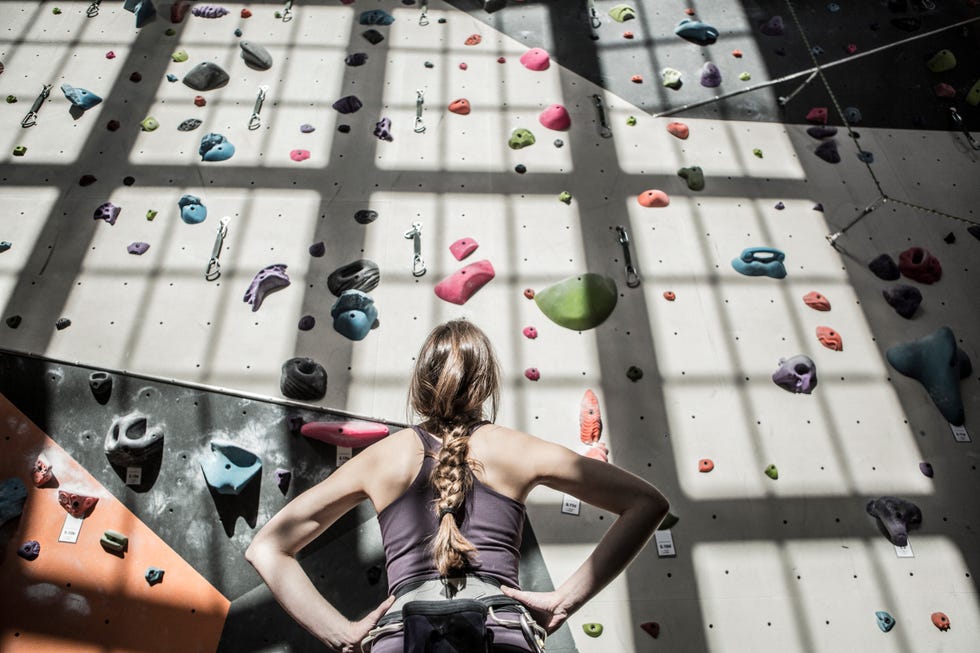

“They should structure their week with different moderate intensity activities rather than repeating the same workouts. They should avoid repetitive activities like basic HIIT classes or simple cardio machines.”
High Openness Personality - Weekly Workout Structure
Monday - Martial Arts Class
- 60 minutes karate, taekwondo, or Brazilian jiu-jitsu
- Focus on learning new techniques
- Moderate intensity with skill development
Tuesday - Rock Climbing or Bouldering
- 60-90 minutes problem-solving climbs
- Mix of strength, technique, and mental challenge
- Progression through difficulty levels
Wednesday - Dance Fitness Class
- 45-60 minutes Zumba, dance cardio, or contemporary dance
- Creative movement with choreography learning
- Moderate intensity with artistic expression
Thursday - Calisthenics Skill Work
- Handstand progressions: 3 sets of 30-60 seconds
- Pistol squat progressions: 3 sets of 5-8 per leg
- L-sits: 3 sets of 15-30 seconds
- Muscle-up progressions: 3 sets of 3-8 reps
- Flow movements connecting exercises
Friday - Trail Running with Exploration
- 30-45 minutes on varied terrain
- Different routes each week
- Moderate intensity with navigation challenges
Saturday - Functional Movement Workshop
- Animal movements (bear crawls, crab walks): 3 sets of 30 seconds
- Turkish get-ups: 3 sets of 5 per side
- Loaded carries with variations: 3 sets of 40 meters
- Movement flow sequences: 4 different patterns
Sunday - Active Recovery with New Activity
- Try something new: paddleboarding, archery, or slacklining
- 30-60 minutes exploration and skill development
Extroverts
The social among us are best suited to HIIT exercises, according to the study.
“Extroverts love high-intensity, social exercise which gives them immediate satisfaction and energy,” Betts says. “Their exercise routines should have a focus on HIIT workouts that deliver quick results and keep them engaged.

“Group fitness classes are perfect for an extrovert. Spin classes, bootcamps or things like CrossFit or Hyrox let them feed off the energy of the room while they go all out. The social aspect and the competitive nature of these classes are motivating and will keep an extrovert coming back.”
Extrovert Personality - Weekly Workout Structure
Monday - HIIT Circuit Class
- Burpees: 45 seconds work, 15 seconds rest
- Jump squats: 45 seconds work, 15 seconds rest
- Push-up to T: 45 seconds work, 15 seconds rest
- High knees: 45 seconds work, 15 seconds rest
- Plank jacks: 45 seconds work, 15 seconds rest
- Rest 2 minutes, repeat circuit 4 times
Tuesday - Rest or Light Social Activity
- 30-minute walk with friends
- Recreational sports (tennis, basketball)
Wednesday - Partner/Group Strength Training
- Partner medicine ball throws: 3 sets of 15 reps
- Battle ropes: 4 sets of 30 seconds
- Kettlebell swings: 4 sets of 20 reps
- Box jumps: 3 sets of 10 reps
- Slam balls: 4 sets of 15 reps
- Sprint intervals: 6 x 30 seconds with 30 seconds rest
Thursday - Active Recovery
- Group yoga class or walking group
Friday - High-Energy Dance/Spin Class
- 45-60 minute high-intensity class
- Focus on music-driven intervals
- Social atmosphere with group motivation
Saturday - Outdoor Group Activity
- Group hike, cycling, or recreational sports
- 60-90 minutes moderate to high intensity
Sunday - Rest Day
Kimberley Bond is a Multiplatform Writer for Harper’s Bazaar, focusing on the arts, culture, careers and lifestyle. She previously worked as a Features Writer for Cosmopolitan UK, and has bylines at The Telegraph, The Independent and British Vogue among countless others.