We hear a lot about uneven skin tones, thanks to hard-to-conceal dark spots and melasma, but don't forget about its equally annoying counterpart: uneven skin texture.
These are the bumps, flakes, pits, and rough patches on your skin that are easy to feel and can be a little harder to see—that is until you apply makeup and the texture is amplified by cakey foundation. And just like skin tone discolouration, uneven skin texture can be the result of a million different things (and that's only a slight exaggeration).
Even though perfectly smooth, poreless skin is flat-out impossible (your pores serve a very important purpose in keeping your skin moisturised, people), you can get pretty dang close with the right skin texture products and treatments, but you've gotta find out what's causing the texture first.
Here, board-certified dermatologists Loretta Ciraldo, MD, and Rosemarie Ingleton, MD, founder of Rose Ingleton MD Skincare, explain why your skin might look and feel a little rough and share the best advice for how to smooth skin texture on the face.
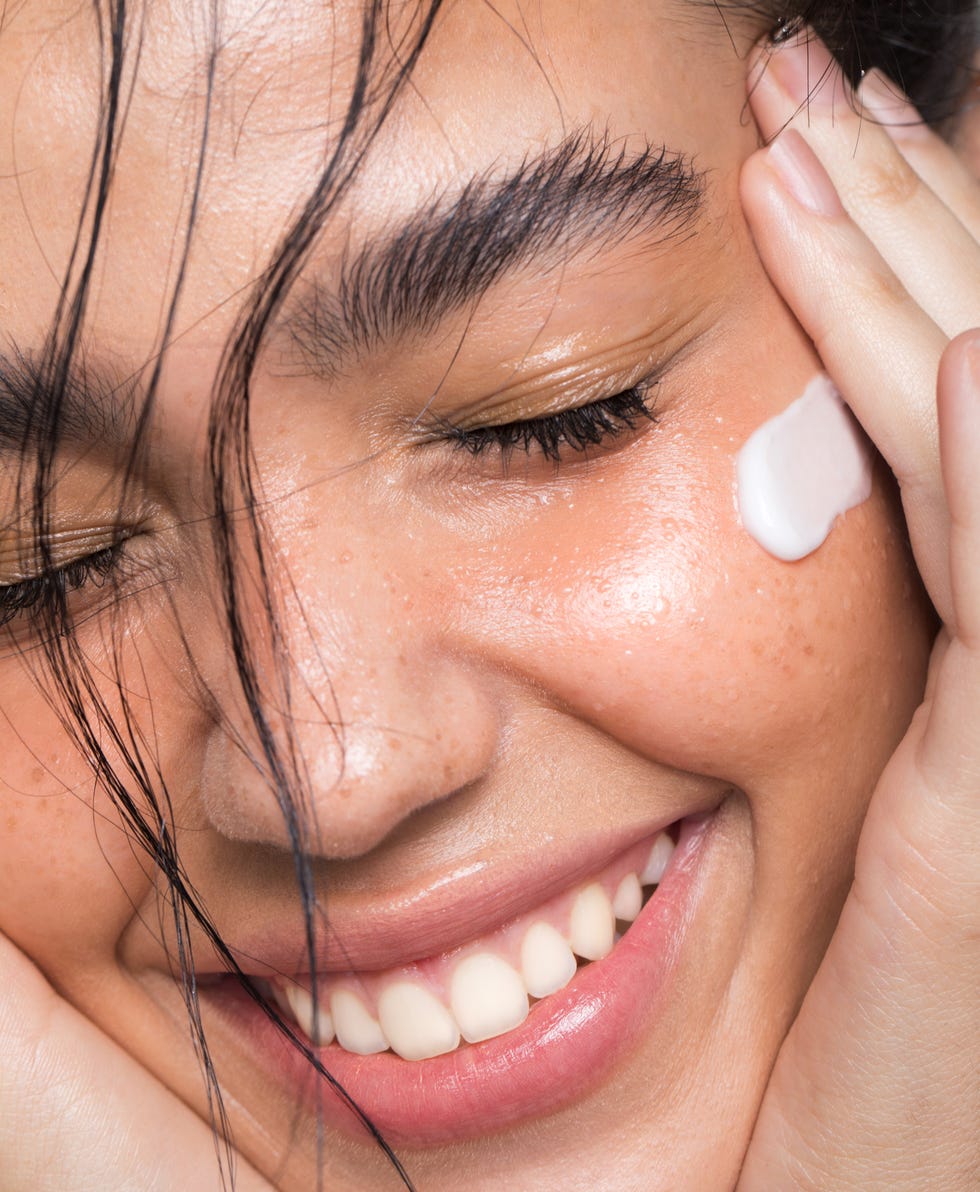

What are skin texture issues?
Skin texture can include bumps, enlarged pores, rough patches—anything that makes your skin look less smooth and luminous. And if you're experiencing any of the above, you might also notice a little discolouration or redness, says Dr Ciraldo, since, as we discussed before, uneven skin texture typically goes hand-in-hand with uneven skin tone or hyperpigmentation.
What causes bumpy skin texture?
How much time do you have? No, seriously, bumps on your skin could be so many different things, but typically, Dr Ingleton explains that as we age, skin cell turnover (the shedding of dead skin cells) slows down, which can increase dullness and uneven skin texture. Your skin texture could also be bumpy from psoriasis, contact dermatitis, keratosis pilaris, or even acne scars and pockmarks. And, last but not least, the source of your texture could be the sun—i.e., the culprit behind most skin concerns, and for good reason.
You're already aware of how sun exposure can mess with your skin tone (freckles, melasma, dark spots, etc.), but the same can also be said about its effect on your skin's texture. As Dr Ciraldo explains it, UVB rays cause the premature death of living skin cells, which can lead to increased skin roughness, while UVA rays increase pigment production that'll give your skin an overall mottled texture and skin tone. Fun!


How can I improve my skin texture?
You're not without options, but you gotta have the right products and ingredients on hand. Below, are a few ways you can start tackling your texture at home.
1. Exfoliate with glycolic acid
Exfoliating your face is a super important step for achieving and maintaining optimal skin texture and preventing unevenness by removing dull, rough skin cells. That said, tread very lightly—i.e., only chemical exfoliants (like acids and peels at low doses) instead of harsh scrubs.
"Avoid scrubbing aggressively or using exfoliators with too coarse of a texture, as this could lead to abrasions and skin injury," Dr Ingleton says before warning not to don't overdo it, either. Both dermatologists stress that over-exfoliation can cause irritation and dry out your skin (which means even more rough patches). It's best to start with one gentle at-home exfoliator (like a 10% glycolic acid serum or one of the options below) just a few times a week, followed by a moisturiser.
Uneven skin texture: Glycolic acid products


2. Use salicylic acid if you're acne-prone
"If you tend to have enlarged pores and are prone to blemishes, that can also lead to clogged pores and skin texture issues," Dr. Ingleton notes. Mild exfoliation, even during summer months, is key for uneven skin texture, and if you're acne-prone, Dr Ciraldo recommends exfoliating with salicylic acid to help unblock the clogged pores and blackheads that could be making your pores look bigger and more textured.
Uneven skin texture: Salicylic acid


3. Soften skin with lactic acid
If your rough skin is also dry, help soften it up with a little lactic acid. Dr Ciraldo says if you're naturally very dry, this gentle exfoliating acid is the most hydrating of the chemical exfoliators in the alpha hydroxy acid (AHA) family, so you can hydrate while you slough the dead skin away. Dr Ingleton recommends using hydrating moisturizers that contain lactic acid for an even gentler approach.
Uneven skin texture: Lactic acid


4. Add a retinoid to your routine
Dr Ingleton also suggests adding a retinoid to your routine to help speed up your cellular turnover and smooth the texture of your skin. Not only can retinoids give you smoother, brighter skin, but they can also boost collagen production and strengthen the walls of your pores.
If you're new to retinoids (welcome!), gradually incorporate one into your routine by massaging a pea-size squeeze over your clean, moisturised skin one night a week for one week, then two nights for two weeks, and then three nights for three, until you're applying it every other night without dryness or irritation.
Uneven skin texture: Retinol
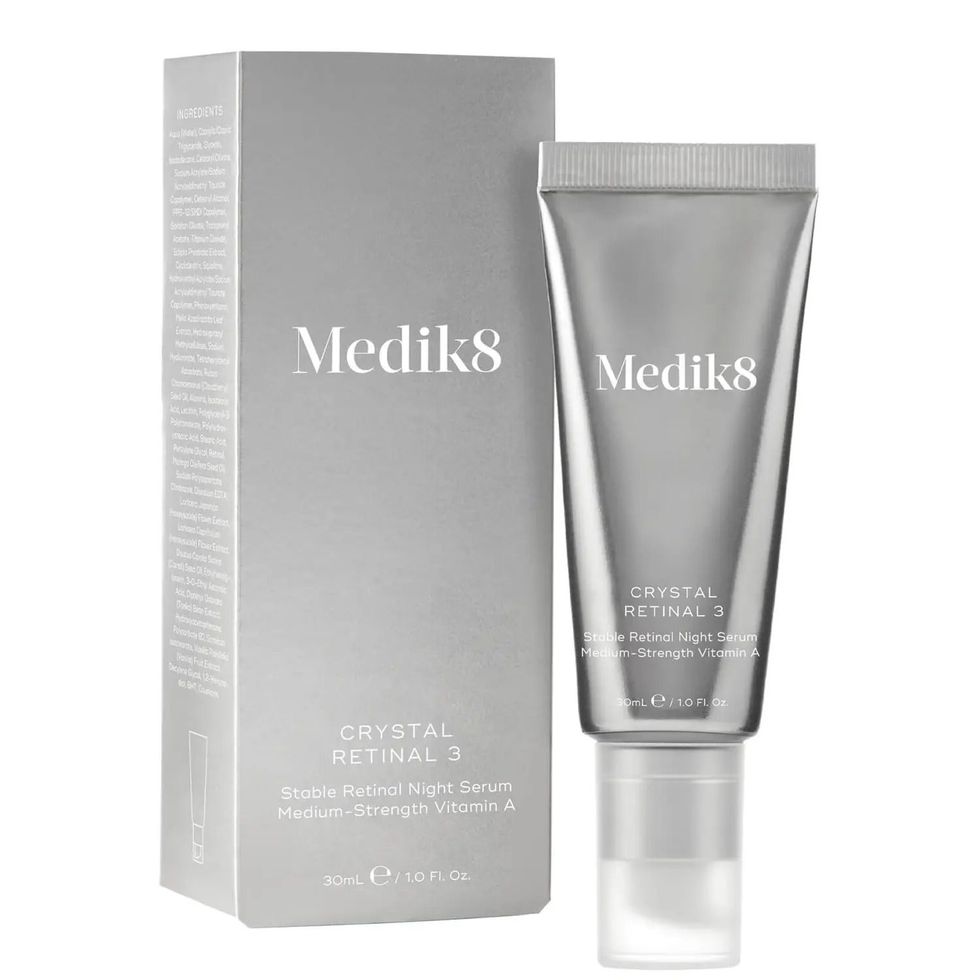
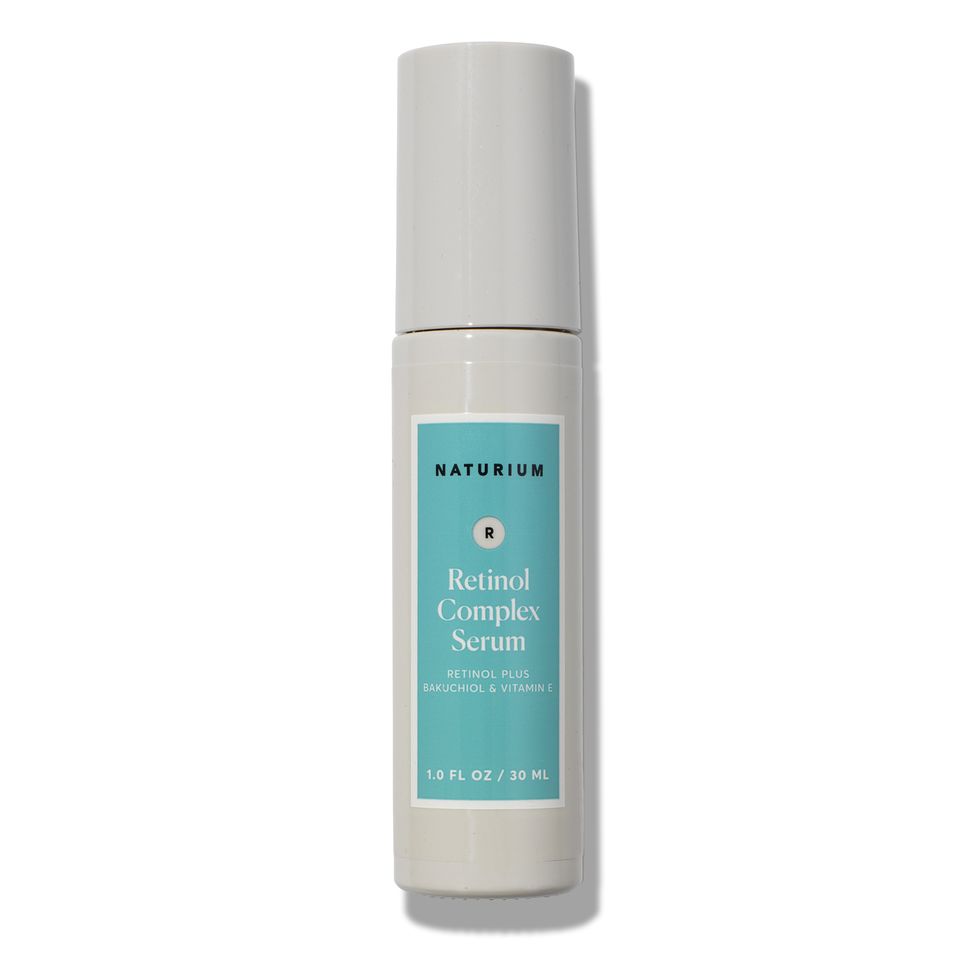
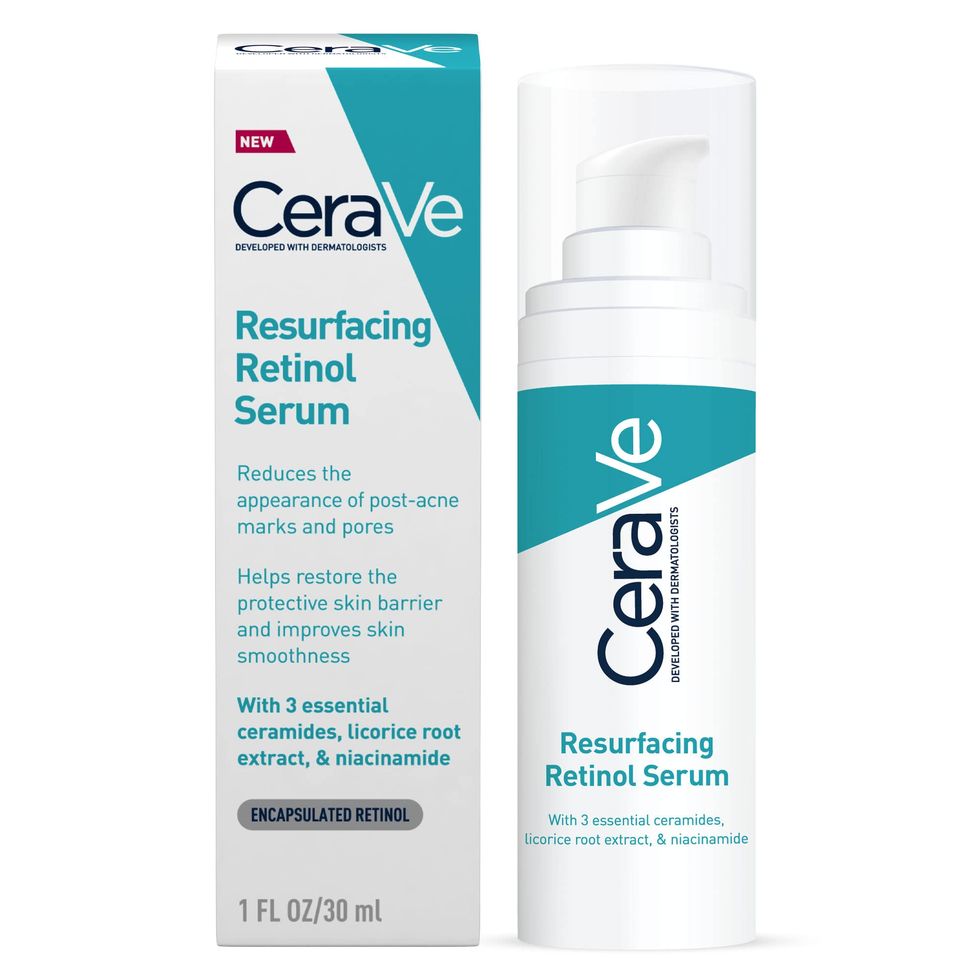
CeraVe CeraVe Resurfacing Retinol Serum with Ceramides and Niacinamide for Blemish-Prone Skin
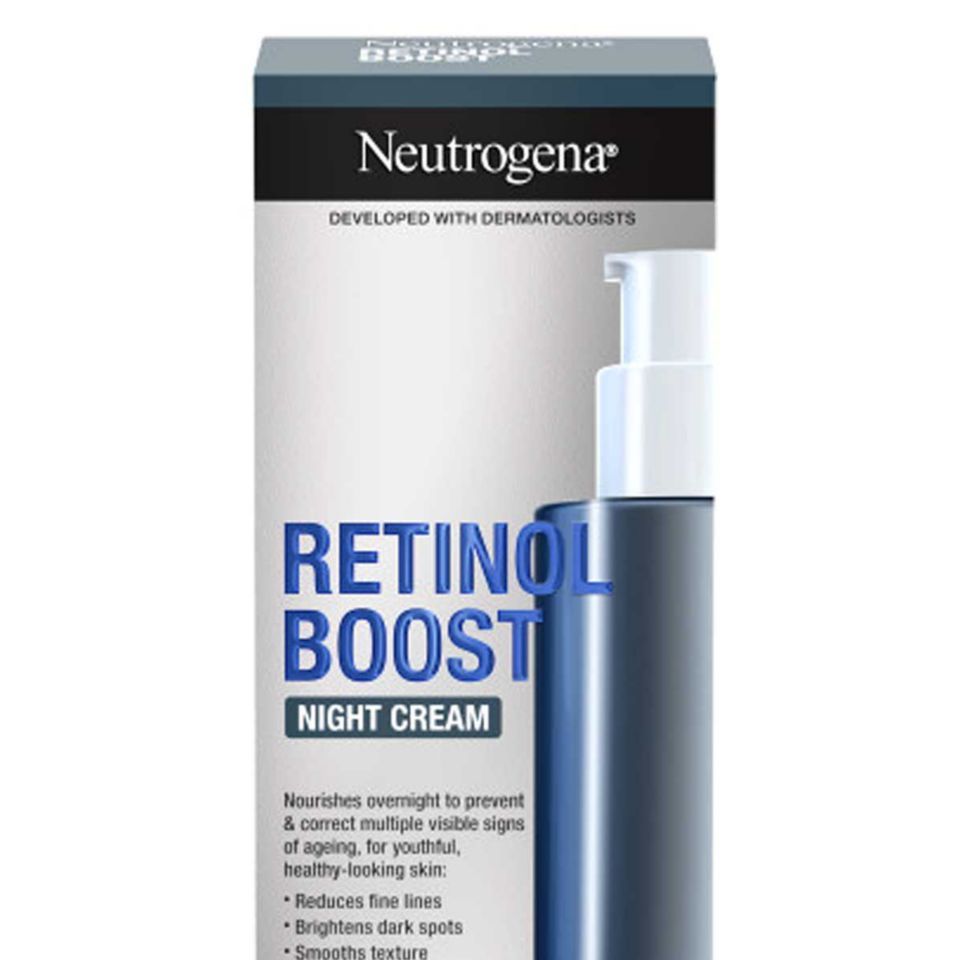
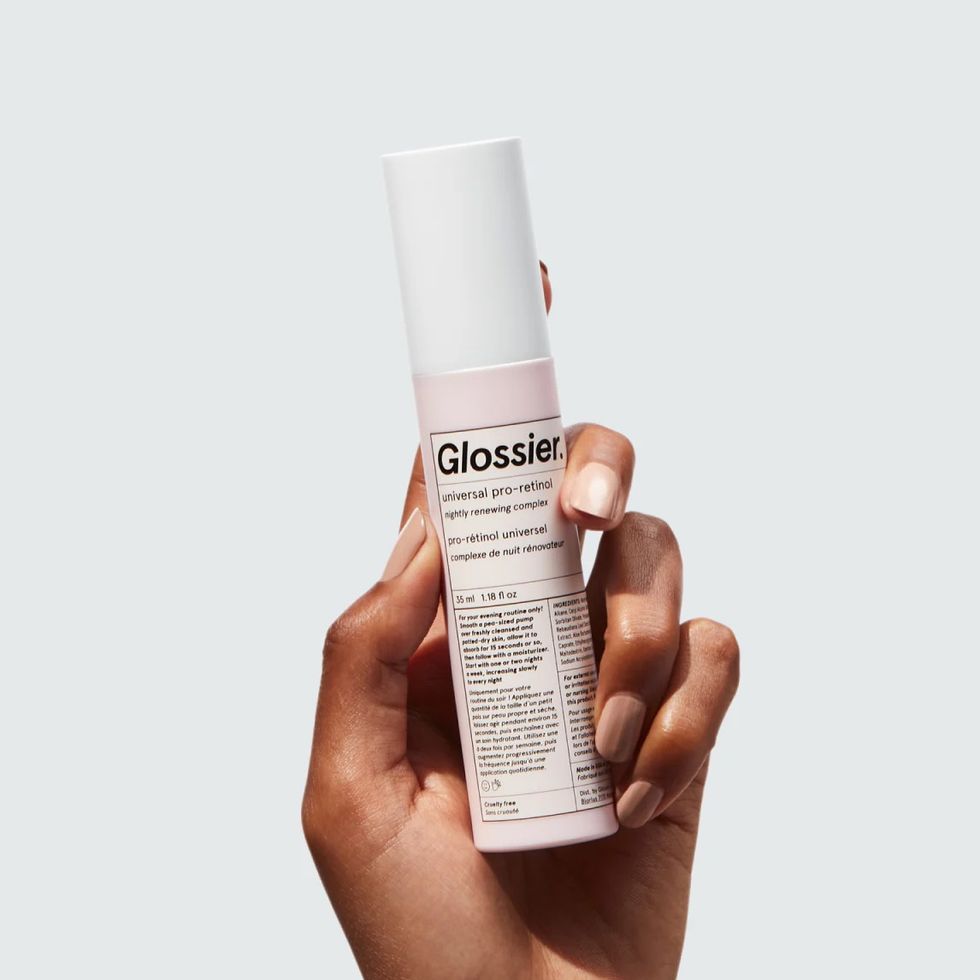
The only caveat? You gotta wear sunscreen every single day when you're using retinol in your routine, or your skin will be extra sensitive to the sun (and dark spots and scarring). This brings us to...
5. Wear. sunscreen. daily.
Wearing a broad-spectrum SPF will help so freakin' much with preventing all the damage caused by UV radiation that contributes to the uneven skin texture we covered earlier. Wear your sunscreen and reapply it throughout the day, promise?
Uneven skin texture: Sunscreen


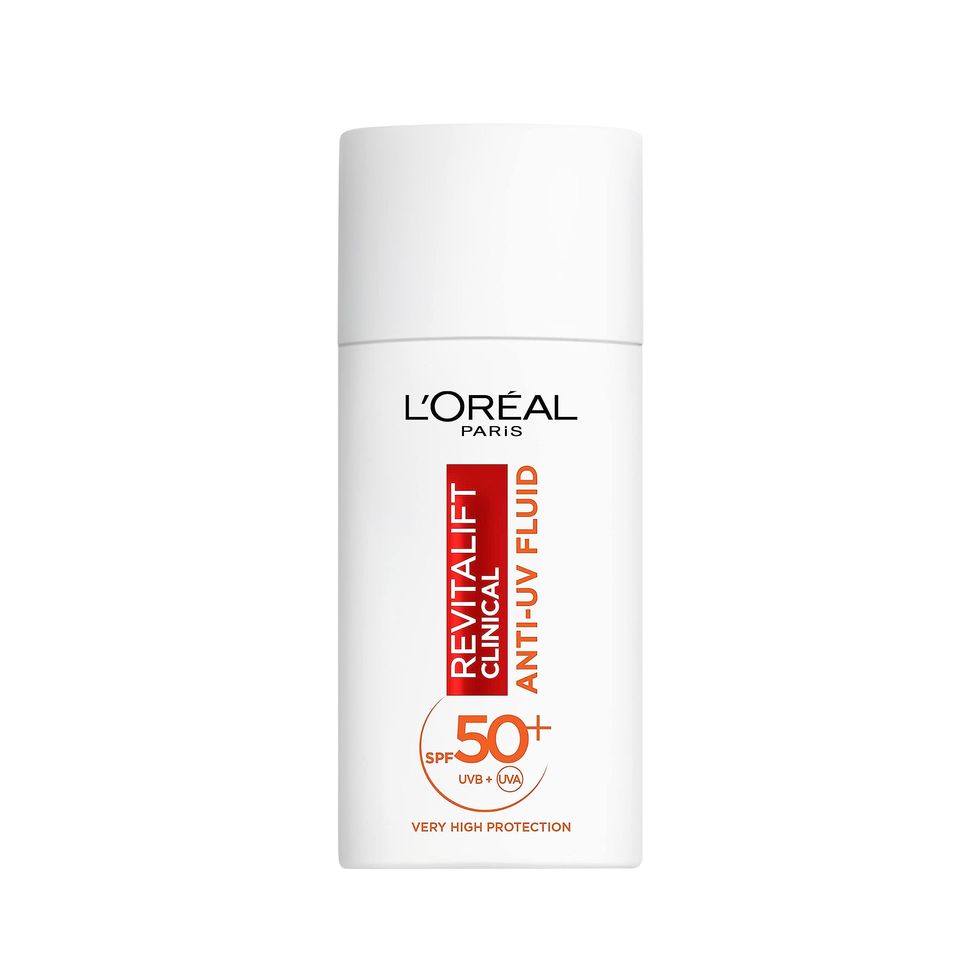
L'Oreal Paris Revitalift Clinical SPF50+ Invisible Fluid, Moisturising Antioxidant Replenishes Uneven Skin Tones providing UV Protection

6. Get a deeper exfoliation with an at-home peel
Another top pick of Dr Ciraldo: an at-home glycolic peel. A step up from your glycolic acid serum, an at-home face peel version uses the same ingredient at a higher concentration (but, ya know, still safe for you to use yourself) for increased results.
7. Carefully use an at-home derma rolling device
Derma rolling is an at-home/in-office treatment that involves creating tiny punctures in the skin with a needle-covered roller to help generate newer, smoother, brighter skin. It's best left to the professionals, but you can do it at home with caution to help improve your skin texture and improve how well your face serums absorb into your skin afterwards. Better absorption = better results.
How do you treat rough and bumpy skin?
Well, that depends on the cause of your skin texture. "It can be very beneficial to get a diagnosis from a dermatologist," Dr Ingleton explains. "Because if your skin texture issues are from a condition like eczema or psoriasis, you’ll require a very different treatment from if you’re dealing with clogged pores."
When texture issues are due to the buildup of dead cells, Dr Ciraldo recommends in-office treatments, like a HydraFacial (a gentle facial that exfoliates, extracts, and hydrates), a higher strength glycolic acid peel (yup, even higher and more effective than your at-home one), or a salicylic acid peel.
"Superficial chemical peels or 'lunchtime peels' are very safe, have little to no downtime, and can be an effective way to smooth your skin’s texture," Dr Ingleton adds. "I especially recommend this for skin of colour, since it’s not likely to irritate and cause hyperpigmentation."
And when texture issues are caused by changes in dermal collagen, Dr Ciraldo suggests microneedling (a more intense form of derma rolling), filler injections, or TCA (trichloroacetic acid) peels.
Depending on your skin type, your derm might even suggest laser treatments to help remove discolouration and smooth uneven texture. "For a deeper treatment, fractional laser resurfacing, like Fraxel, can also be used and can be helpful, especially for textured acne scars," Dr Ingleton says.
The takeaway:
With so many potential factors that contribute to uneven skin, like acne scarring, sun damage, and ageing, it's hard to say exactly what's causing the irregularities in your specific skin texture. While gentle chemical exfoliation and proper sun protection might help, the only real way to know what you’ve got going on is with a proper evaluation and diagnosis, so see your derm to really smooth things over.