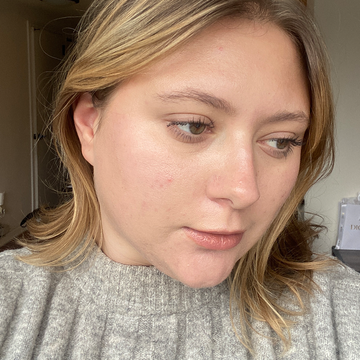
There’s an overwhelming amount of acids out there, so trying to decipher what your skin needs can be tricky. There are the ones that exfoliate (looking at you, glycolic acid) and acids that hydrate (hello, hyaluronic acid) but one that isn’t talked about enough is azelaic acid. It’s the unsung hero of the beauty world and can help tackle everything from rosacea to breakouts.
If you're unfamiliar with the underdog ingredient, do not fret. We've got all the deets on what azelaic actually is, how to use it and the many benefits it will deliver to your skin (spoiler: there's a lot).
Best azelaic acid serums, tried and tested


What is azelaic acid?
Unlike other acids out there, azelaic acid is produced by and lives on our skin. “It is a naturally occurring acid and is also in grains such as barley, rye and wheat,” says aesthetics doctor, Dr Sophie Shotter.
You’ll find azelaic acid featured in a lot of anti-redness products or often on its own as a booster-style number, which can feature from 10-20 per cent of the skincare hero.
What are the benefits of azelaic acid?
“Azelaic acid unclogs pores, refines the skin’s surface and has anti-inflammatory properties, which is why it is such a great choice for acne and rosacea,” says Dr Sophie.
Ever heard of chicken skin? Good news! Azelaic acid is a keratolytic (fancy term for a keratin decreaser), so it can help reduce inflammatory skin conditions like keratosis pilaris.
It's also great if you’ve been overdoing it on the exfoliating acids we’ve mentioned previously, as azelaic acid helps strengthen the skin’s natural barrier.
While the FDA has only approved azelaic acid for the treatment of rosacea and acne, it is incredibly effective at diminishing dark spots and treating pigmentation, hence its inclusion in brightening serums and creams. “The antioxidant properties also help to protect the skin from free radical damage,” concludes Dr Sophie.
Is there anything azelaic acid can’t do? So before we dive into the rest of the questions about this hero ingredient, here are the best azelaic acids according to our beauty team.
Anua, Azelaic Acid 10 Hyaluron Redness Soothing Serum
Pros
- Soothes redness and calms irritation
- It has a lightweight and hydrating texture
- Effective on acne-prone skin types

Cons
- Can feel a little sticky if too much product is applied

Key Specifications:
| Key Ingredients: | Azelaic acid, hyaluronic acid |
|---|---|
| Who’s it best for? | Red, inflamed, dehydrated skin |
Stay loyal to this serum and your skin will look as though you’ve forked out on multiple (spenny) facials. Coming to you from one of our fave K-Beauty skincare brands, this fluid – which feels incredibly lightweight, btw – is packed with azelaic acid and hyaluronic acid, so it delivers on the hydrating and skin-smoothing front. It is also clinically proven to reduce redness associated to dryness, so it’s the perfect formula to reach for if your skin is feeling dehydrated and stressed.

Boots Ingredients, Azelaic Acid Gel Cream
Pros
- Budget friendly
- Is a gentle option for sensitive skin
- Has a creamy, hydrating texture
Cons
- It doesn't specify the percentage of concentration
Key Specifications:
| Key Ingredients: | Azelaic Acid |
|---|---|
| Who's it best for? | Sensitive skin / new to azelaic acid |
Many formulas contain 10% azelaic acid as it’s the highest concentration approved for approved for over-the-counter skincare. While the Boots own brand Azelaic Acid gel cream doesn’t specify the percentage, it still does a great job at reducing redness, fading dark spots and preventing breakouts.
The texture is that of a moisturiser as opposed to a serum, so you could use this as the final step in your evening or morning routine (well, with sunscreen for the AM of course). However if your skin sits on the sensitive side, you could sandwich this underneath a hydrating moisturiser.

Q+A, Azelaic Acid Balancing Serum
Pros
- Great for reducing pore size and oil production
- Can help to smooth redness and inflammation
- Affordable
Cons
- Takes consistent use to see results
Key Specifications:
| Key Ingredients: | azelaic acid, zinc PCA |
|---|---|
| Who's it best for? | Oily, acne-prone skin |
ICYDK, Q+A is an ingredient-first, affordable brand that simplifies the complex world of skincare. Cleverly, each product contains a checklist on the side of the packaging which lists out exactly who the product is for and what it will do for your skin. This small but mighty bottle is specifically formulated for those with oily, stressed out skin as the combination of azeliac acid and zinc PCA help to reduce oil production and minimise pores. Stick to it and over time you’ll notice fewer breakouts, clearer skin and a lil less grease.

The INKEY List, Super Solutions 10% Azelaic Acid Serum
Pros
- Instant colour correction
- It's lightweight and absorbs quickly
- It's affordable
Cons
- Can pill if you don't let the product dry down before layering on other skincare
Key Specifications:
| Key Ingredients: | Azelaic acid, allantoin |
|---|---|
| Who's it best for? | Rosacea / redness |
The word ‘acid’ may be enough to induce a small sweat when you have red, irritated skin. But, as we have discussed, azelaic acid is the top ingredients you can get your hands on to reduce inflammation – and one of the best, specifically for redness, is the Inkey List 10% Azelaic Acid Serum. It has a green tint so it instantly counteracts the appearance of redness, but it also helps to actively reduce redness and even out skin tone. A great choice for anyone with rosacea, too.
Naturium, 10% Azelaic Acid
Pros
- A great all rounder - helps with redness, uneven skin tone, brightening, uneven texture
- Lightweight and easy to absorb
- Can be used on sensitive skin
Cons
- Some may not like the potent, slightly unpleasant, smell
Key Specifications:
| Key Ingredients: | Azelaic acid, niacinamide, vitamin C |
|---|---|
| Who's it best for? | Everyone |
If you’re new to azelaic acid and not yet ready to make a bigger investment, the Naturium serum is a brilliant first choice. It may be affordable, but its price tag isn’t indicative of its performance.
Held inside the silky, hydrating serum is azelaic acid which helps to soothe redness and fade dark spots, while niacinamide and vitamin C help to smooth texture and uneven skin tone. It’s the perfect serum to apply in the morning before SPF as it will brighten and protect your skin from environmental damage.
Skin + Me, Brighten + Boost Calming Azelaic Acid Serum
Skin + Me Brighten + Boost Calming Azelaic Acid Serum

Pros
- Calms, brightens, smooths pigmentation and reduces breakouts
- Has a smooth and silky texture
Cons
- Only a small 15ml bottle
Key Specifications:
| Key Ingredients: | Azelaic acid, bisabolol, panthenol, ectoin, peptides |
|---|---|
| Who's it best for? | Sensitive, inflamed skin |
Skin + Me’s Azelaic Acid Serum is calm by name and by nature. Featuring a cocktail of peptides, bisabolol, panthenol and ectoin – and azelacic acid of course – this multi-tasking serum helps to support the skin’s barrier function and microbiome, while working on a brighter and clearer complexion. It’s a brilliant option if you have generally sensitised and stressed out skin, and you don’t know what to do about it.
Paula’s Choice, 10% Azelaic Acid Booster
Pros
- Can be used alone or mixed into a serum/moisturiser
- Helps to brighten, minimise blemishes and soothe redness
Cons
- It's expensive
Key Specifications:
| Key Ingredients: | Azelaic acid, salicylic acid |
|---|---|
| Who's it best for? | Acne-prone skin |
If you’re tuning into azelaic acid to solve your acne woes, the Paula’s Choice booster serum is formulated with the right blemish-banishing ingredients to promote a clear complexion. Alongside azelaic acid, it contains salicylic acid – a common ingredient used in acne treatments – to unclog blocked pores and reduce pimples. There’s also liquorice extract and glycerin to brighten and hydrate, so it can help fade post-acne scarring or other discolouration. Simply squeeze a few drops into your daily moisturiser or apply alone.
How is azelaic acid different to other skincare acids?
Skincare junkie or not, you’d be hard-pressed to find someone who hasn’t turned to a liquid exfoliator. Think of azelaic as the milder, more mindful member of the acid family. It possesses similar resurfacing powers but produces minimal irritation.
“Unlike other acids, it won't make you sun sensitive, but that doesn’t mean you should skip the sunscreen,” says Sophie. While AHAs and BHAs are best known for their efficacious exfoliation, azelaic acid boasts a tonne of other benefits, too, as she explains. “It is superior to AHAs (like mandelic acid) and BHAs (like salicylic acid) for improving uneven skin tone. Plus, it is also a powerful antioxidant in its own right.”


Who is azelaic acid best for?
Judging by its extensive benefits and limited side effects it would seem sensible to assume that the ingredient is suitable for everyone. And you’d be right to think so.
“Because it is less of an irritant than some AHAs and BHA formulations it is a good choice for those with sensitive skin and with long-term use can help reduce sensitivity. It is even safe for use during pregnancy and breast-feeding. However, if you have extremely sensitive, hyper-reactive skin, it may be best to avoid acids altogether, as you could experience stinging and discomfort,” explains Dr Shotter.
How should you incorporate azelaic acid into your skincare routine?
“I would recommend using azelaic acid as part of your nighttime regime,” says Dr Sophie. “Use it alongside a gentler cleanser and moisturiser or hyaluronic acid-based product. If you are new to using it, you might want to consider starting by applying it every other night to minimise the risk of irritation.”
It’s safe to say, azelaic acid is seriously worth the hype.
How we test:
When testing the best azelaic acid serums, we reviewed everything from the product’s ingredients, packaging, smell, texture and efficacy. Each product in this edit has been recommended by the Cosmo beauty team over many years, while others are newer formulations that have stood up against long-loved bottles.
Meet the expert:
Dr Sophie Shotter is an award-winning aesthetics doctor with over 15 years of medical experience. She has two clinics, in Kent and London, where she specialises in non-surgical facial treatments, fillers, botox, polynucleotides and general skin health.
Why trust Cosmopolitan?
Clare Stephenson is the Senior Beauty Ecommerce Writer for Cosmopolitan UK. She has three years of experience as a professional shopper but has been a beauty obsessive for, well, forever. Clare has interviewed many dermatologists, doctors and professionals to broaden her knowledge on the best skincare ingredients around, and has tested hundreds of products in the process. She is an authority in advising you on the best brands to trust, no matter your skin type, budget or preference.
Charlotte Bitmead (she/her) is the Senior Beauty Writer at Cosmopolitan UK. She has over six years experience writing about beauty and has previously written for ELLE and The Sunday Times Style, covering everything from politics to sustainability to inclusivity within the beauty industry. When she’s not writing in-depth features, testing out the newest skincare fad or trying to decide what nail art to get, you can find her overspending in bookshops or shouting at Arsenal matches. Find her on LinkedIn
Clare Stephenson is the Senior Fashion and Beauty E-commerce Writer for Cosmopolitan, ELLE and Harper’s Bazaar. She has been an e-commerce writer since 2022, creating matter-of-fact reviews and shopping pages filled with her favourite products for every budget and need – whether that’s a glow-giving foundation, a high-tech LED face mask or the perfect wear-with-everything blazer.
Alongside writing, Clare loves to be in front of the camera creating shopping content, putting viral products to the test to see which ones are truly worth the hype. Through her work, she has interviewed leading dermatologists, makeup artists and industry experts to bring readers trusted advice and product recommendations.
Clare has contributed to titles across the Hearst UK portfolio, including Women’s Health, Good Housekeeping, Red and Prima. Prior to joining Hearst, she earned a BA in Multimedia Journalism from Bournemouth University, focusing her studies on magazines and editorial. She later worked as an editorial assistant at Voir Fashion Magazine, covering events including Fashion Week and interviewing notable brand founders.
Outside of work? You can find Clare strolling through London’s Columbia Road Market, pouring her fourth coffee of the day or heading to a Pilates class.
Follow Clare on Instagram @clarefrancesstephenson.