
Whether breakouts are leaving you dotted with scars, scatters of dark patches or brown spots are appearing by themselves, or you're finding whole areas of your body darkening, unwanted pigmentation can be frustrating or even distressing. While experiencing hyperpigmentation is normal, and common, it's ok to want it gone.
While it's most commonly associated with sun damage and ageing, we wanted to really get to the bottom of the causes, the cures, and all our pigmentation-related problems/questions. So, we turned to top consultant dermatologist, Justine Kluk to shed some light on what we're really up against.
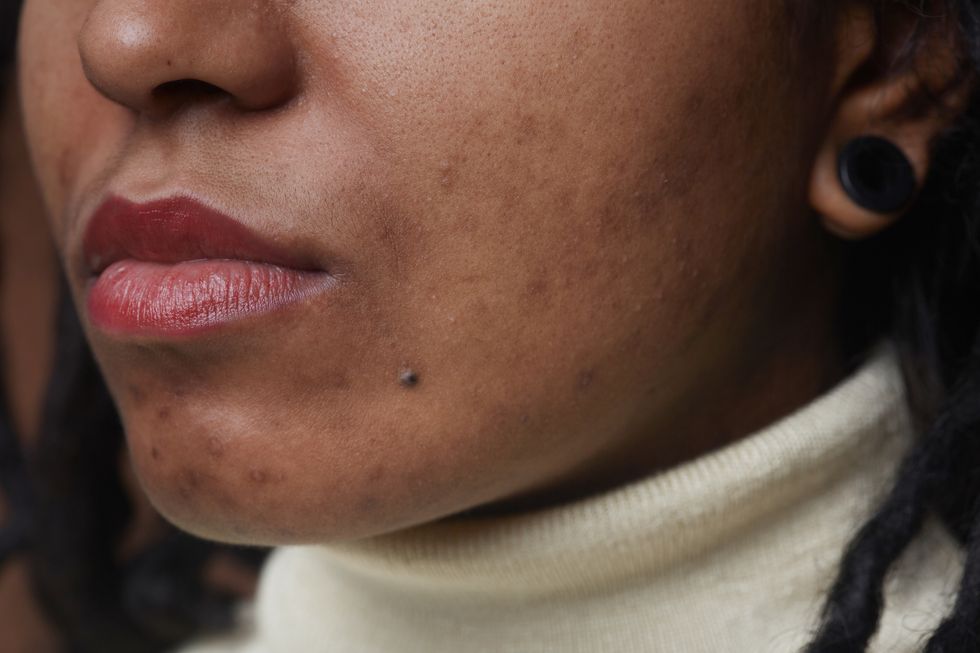

What causes pigmentation?
"Also known as hyper-pigmentation, pigmentation occurs due to an increase in the number of pigment-producing cells in the skin(melanocytes), or the pigmented substance they produce (melanin)," says Justine.
Melasma is the most common form of facial pigmentation, and you're likely to get it between the ages of 20 and 40, with deeper skin tones more commonly affected: "Ninety per cent of sufferers are female and, in most cases, melasma is thought to be triggered by pregnancy, hormonal medication e.g. the contraceptive pill and medical conditions that cause altered hormone levels."
Medications and hormone levels can cause hyperpigmentation across the body, which can also be exacerbated in areas of friction, where skin rubs against skin.
Then there's post-inflammatory pigmentation is common across the face and body and; "follows injury or inflammation of the skin, for example following a flare-up of acne or eczema. Whilst often considered a temporary phenomenon, it can be more intense and longer lasting."
Freckles she explains, are something different;' "Freckles are more common in fair-skinned individuals and are thought to be an inherited characteristic. They get darker in the sun and fade again during winter months, unlike brown spots or dark spots, which arise in middle age due to sun damage and persist in the absence of ongoing UV stimulation."

How can you prevent pigmentation from forming?
We often feel like a broken record - yes, we think you know what's coming: SPF. Kluk can vouch for our suncream obsession, too. "The most effective way to prevent pigmentation from occurring in the first place, or to stop it from getting worse is to wear sunscreen daily."
Incase you're reading this and feeling jammy about your foundation +SPF10, know that sadly it's not going to cut it.
"Those seeking treatment for hyper-pigmentation will be advised to wear a broad spectrum SPF50 sunscreen 365 days per year before leaving the house and to top up every couple of hours if they are going to be spending time outside or near a window in Spring and Summer. At times of peak UV radiation e.g. between noon and 2 pm, wear a hat with a wide brim for extra protection if you are planning to be outdoors."
But that 365 factor 50 advice? That goes for all of us.
What's the best way to treat pigmentation?
Justine stresses that, "the most effective way to manage hyper-pigmentation is to combine avoidance of known triggers with active treatment."
Here's what you can do...
Identification of exacerbating factors
"If pigmentation appears after starting a known culprit medication, withdrawal may be necessary if it is safe to do so. In the case of melasma, there is little one can do if it occurs for the first time or flares during pregnancy, however, women taking hormonal contraception may wish to discuss alternative contraception methods with their doctor."
Sun protection
"Think about the most careful you’ve ever been in the sun…and then think about being even more careful than that! Successful treatment of hyperpigmentation hinges on strict sun avoidance. It may only take a few minutes of sun exposure without adequate protection to undermine weeks of active treatment."
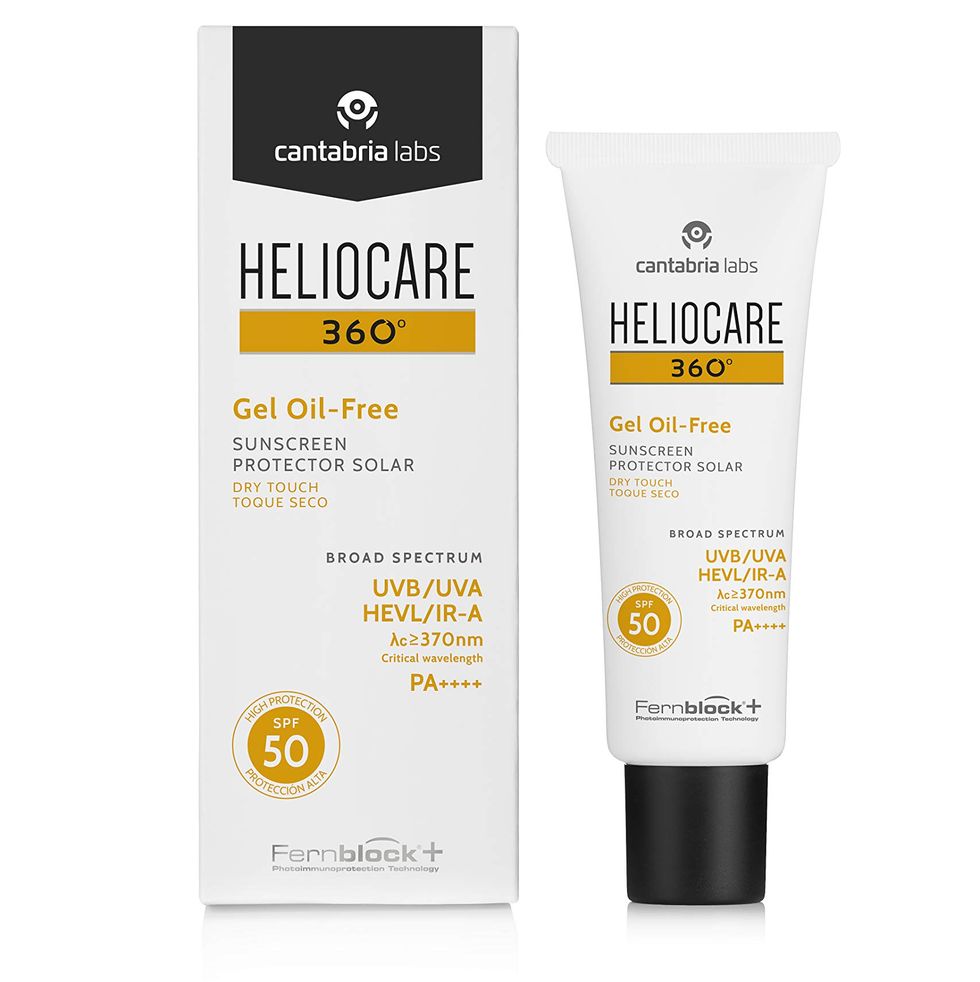
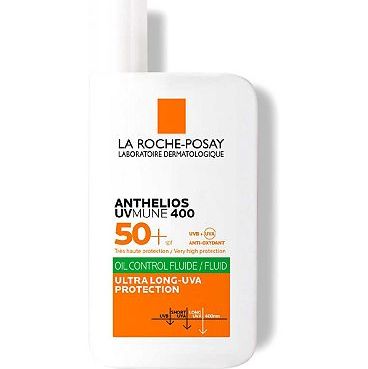
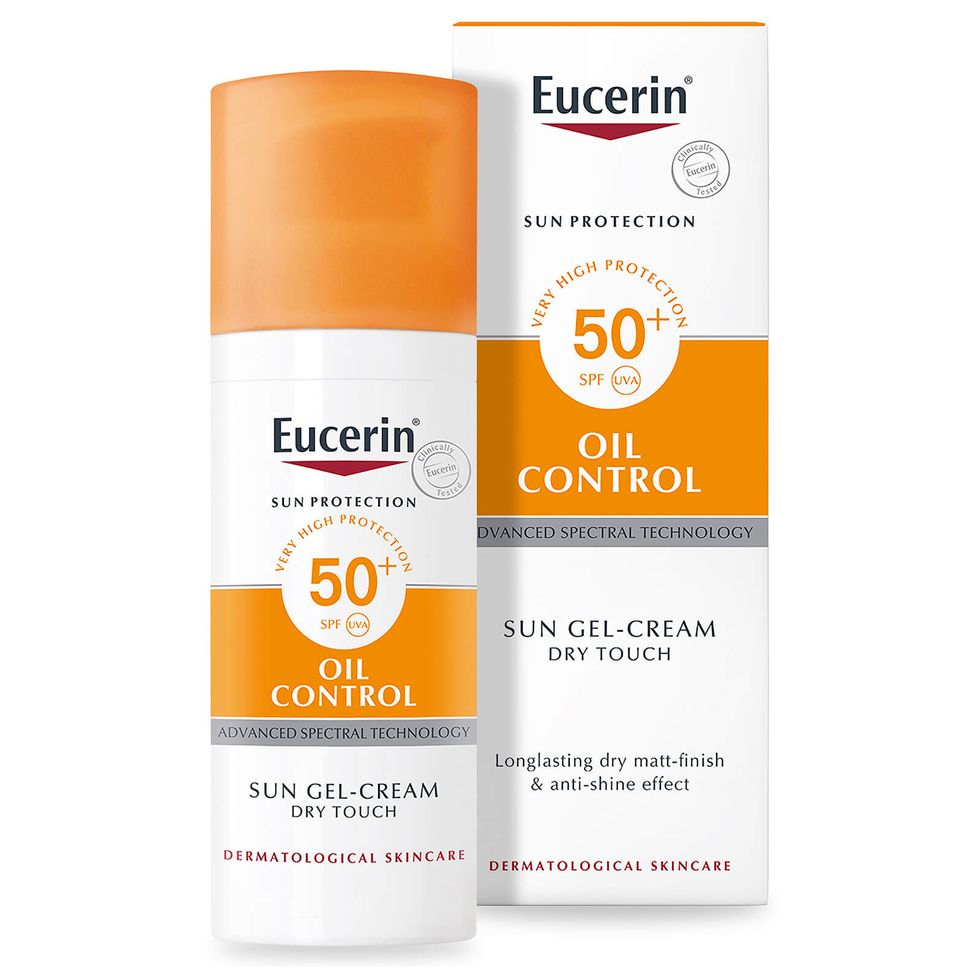
La Roche Posay Anthelios UVMune 400 Oil Control SPF50+

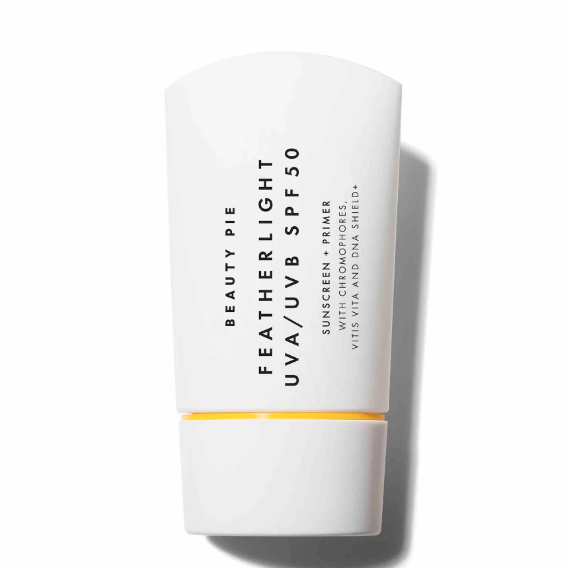
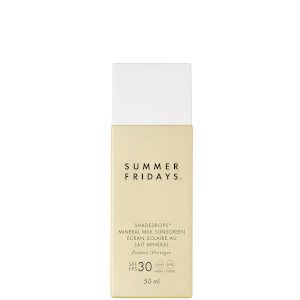
Summer Fridays ShadeDrops Broad Spectrum SPF 30 Mineral Milk Sunscreen
Targeted creams and serums
Many ingredients can help brighten the skin, fade dark marks or even out discolouration. "Ingredients include vitamin A (retinol), azelaic acid, niacinamide, kojic acid, vitamin C, arbutin, AHAs e.g. glycolic acid, liquorice root extract and mulberry extract," says Justine.
Some ingredients also work to prevent hyperpigmentation or stop it from worsening, by inhibiting tyrosinase, the enzyme skin needs to make melanin. Known tyrosine inhibitors include kojic acid, 4-butylresorcinol, hydroquinone and vitamin C. Some, including hydroquinone, must only be used under a prescription from an expert.
It's important to research products that promise to reduce dark marks, particularly in darker skin tones, as some may cause wider skin lightening or bleaching.
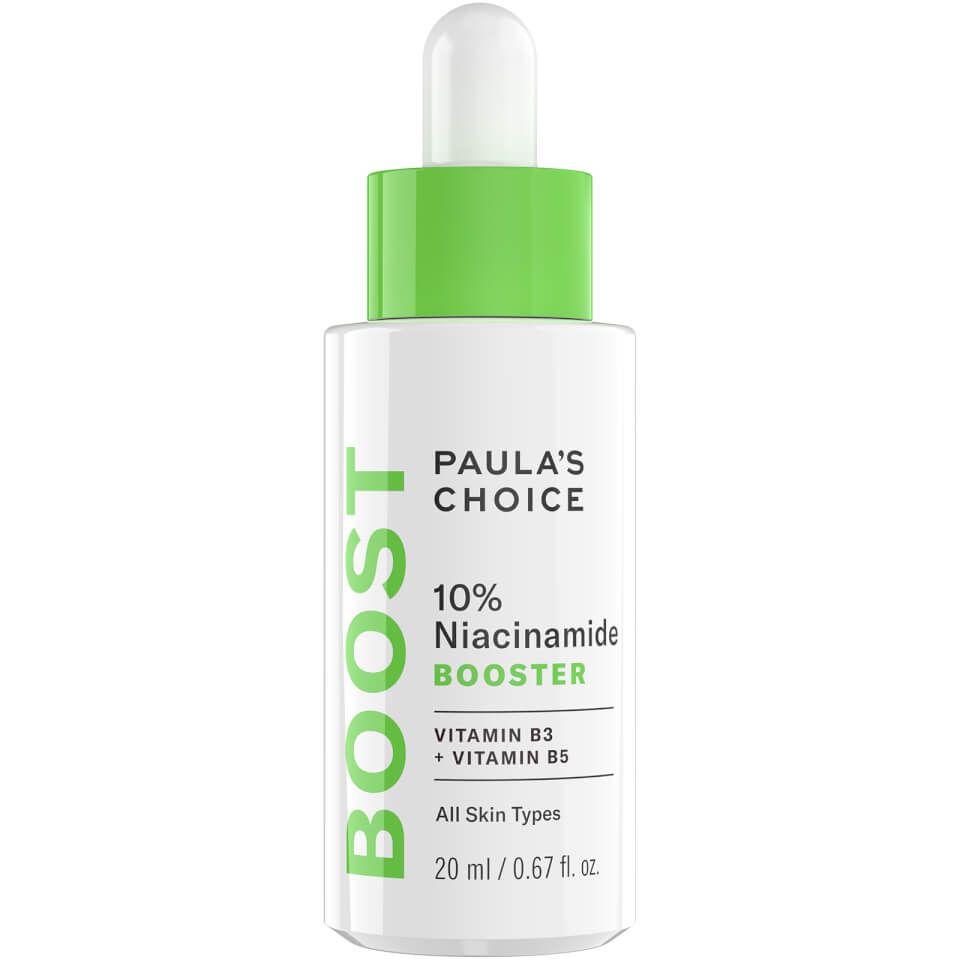
Paula's Choice Resist 10% Niacinamide Booster
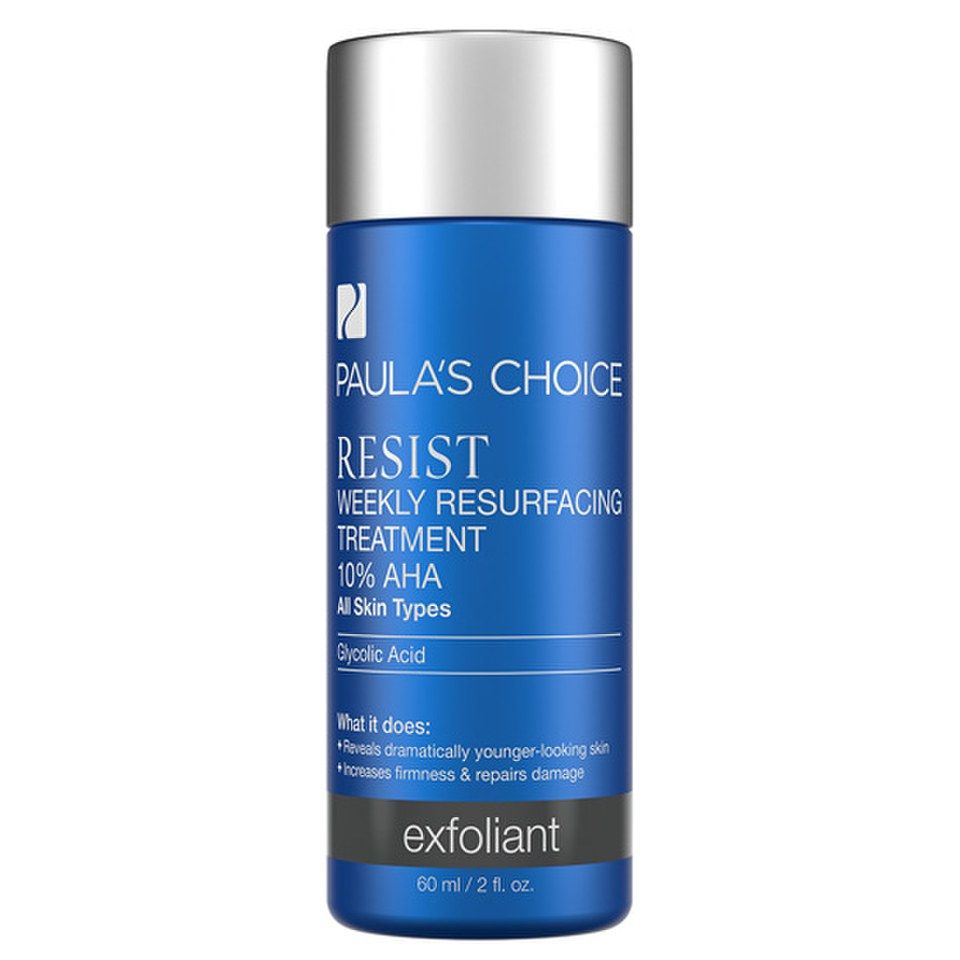
Paula's Choice Resist Weekly Resurfacing Treatment with 10% AHA
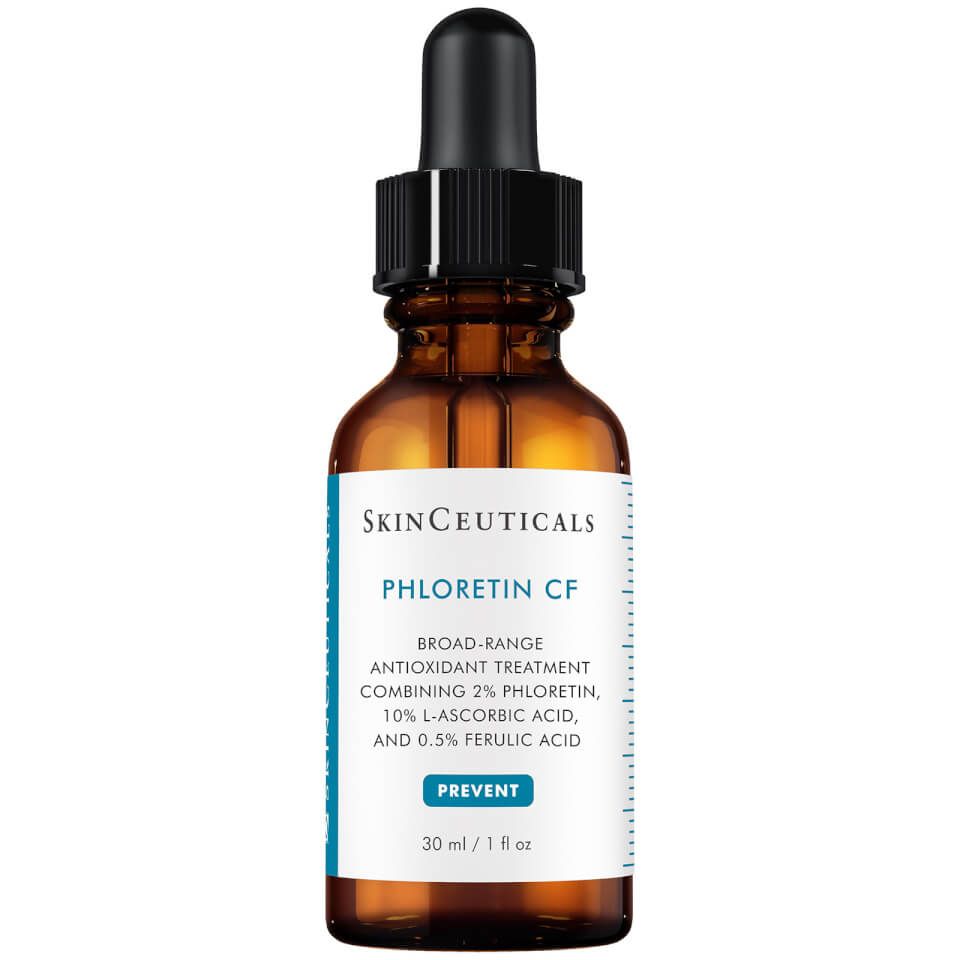
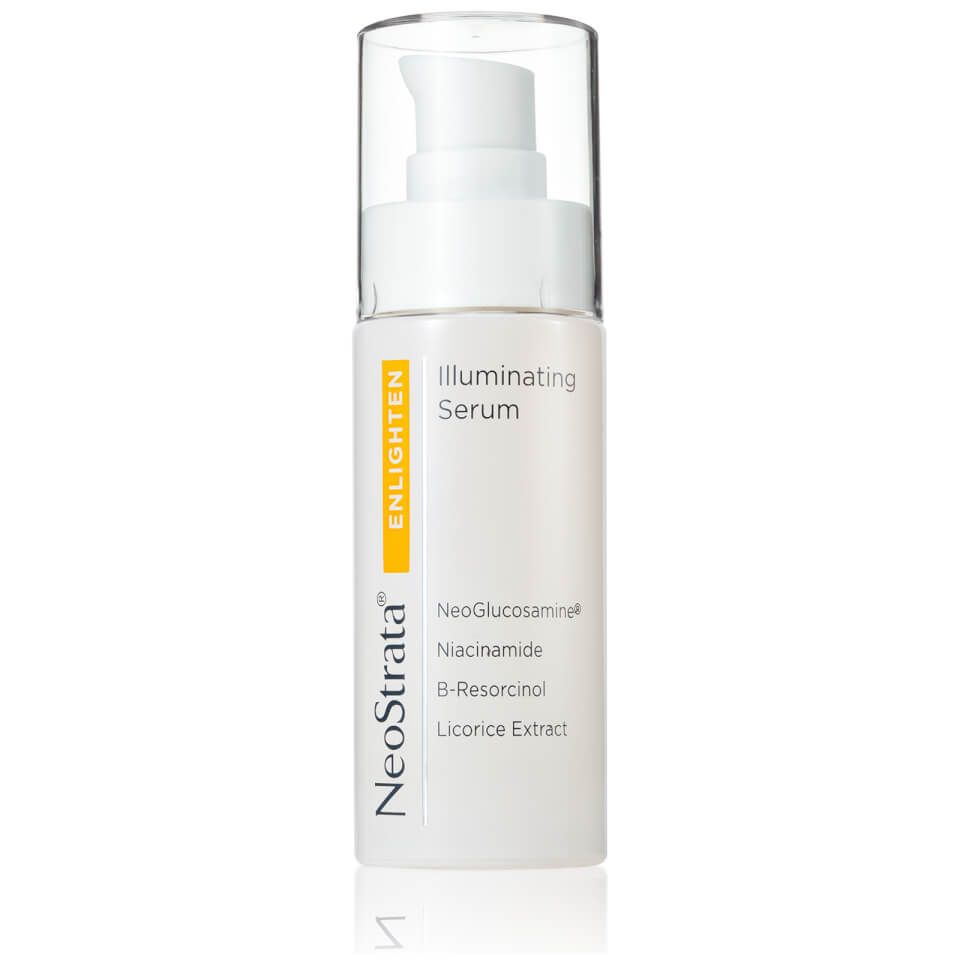
NeoStrata Enlighten Illuminating Serum


Professional chemical peels
"These treatments are often performed during autumn and winter as they can increase the skin’s sensitivity to the sun. There may be downtime associated with this sort of treatment. Typical peel ingredients for pigmentation include glycolic acid, lactic acid, retinol or resorcinol."
Laser treatment
Justine says this may be helpful in some cases, but research studies indicate that results are variable and not consistently good.
More from our Black beauty hub...

Our Little Black Beauty Book

How to deep condition your curls at home

Black UK singers are over 'marketable' beauty myth

Gaby is the Senior Beauty Writer here at Cosmopolitan.com/UK. Her favourite hobbies include sleeping, eating cake till she can't move and uncontrollably hoarding beauty products.


