We earn a commission for products purchased through some links in this article.
9 best scalp acne shampoos for getting rid of bumps, spots, and redness (tested & reviewed)
Legit, I’ve been using these for years

I'm not gonna sugarcoat it: Acne f*cking sucks—and it legit can happen anywhere (hi, butt acne, bacne, and cystic acne), including your scalp. And when I first noticed some bumps on my scalp, I didn’t even know I was dealing with zits at first—I just thought the bumpy texture was due to too much dry shampoo or too few scalp scrubs, especially because they didn’t look like traditional whiteheads. According to dermatologist Diane Madfes, MD, though, that’s normal: “Scalp pimples can look like little inflamed bumps that may be firmer and deeper than traditional whiteheads,” she says. We spoke to three experts to answer allll your questions about why you get scalp acne, how to treat it and how long it lasts, you can get stuck in at the second half of this article. But before the deep dive, for those of you looking straight for the solution, luckily for us, the easiest way to treat them is with a scalp acne shampoo.
Some scalp acne shampoos tend to strip the hell out of your hair and scalp, potentially leading to more breakouts. But a good scalp acne shampoo will use active ingredients, like salicylic acid, tea tree oil, and zinc, to help break down clogged pores and soothe inflammation, all without being too harsh on your hair. To help you find the most effective formulas on the market, I personally tested and reviewed each product and chatted with Dr. Madfes and trichologists Dominic Burg and Lorna Jones for the 13 best scalp acne shampoos, whether your scalp acne also involves itchy skin, dry curly hair, or supremely oily roots.
Our top picks for the best scalp acne shampoos in 2024:


Best Scalp Treatment for Acne
The INKEY List Salicylic Acid Exfoliating Scalp Treatment 150ml
Read review

Now keep reading for all the best scalp acne shampoos, from daily cleansers to occasional treatments, and all the need-to-know info, like what causes scalp breakouts, the best scalp treatments to try at home, and what to look for in the best scalp acne shampoo.
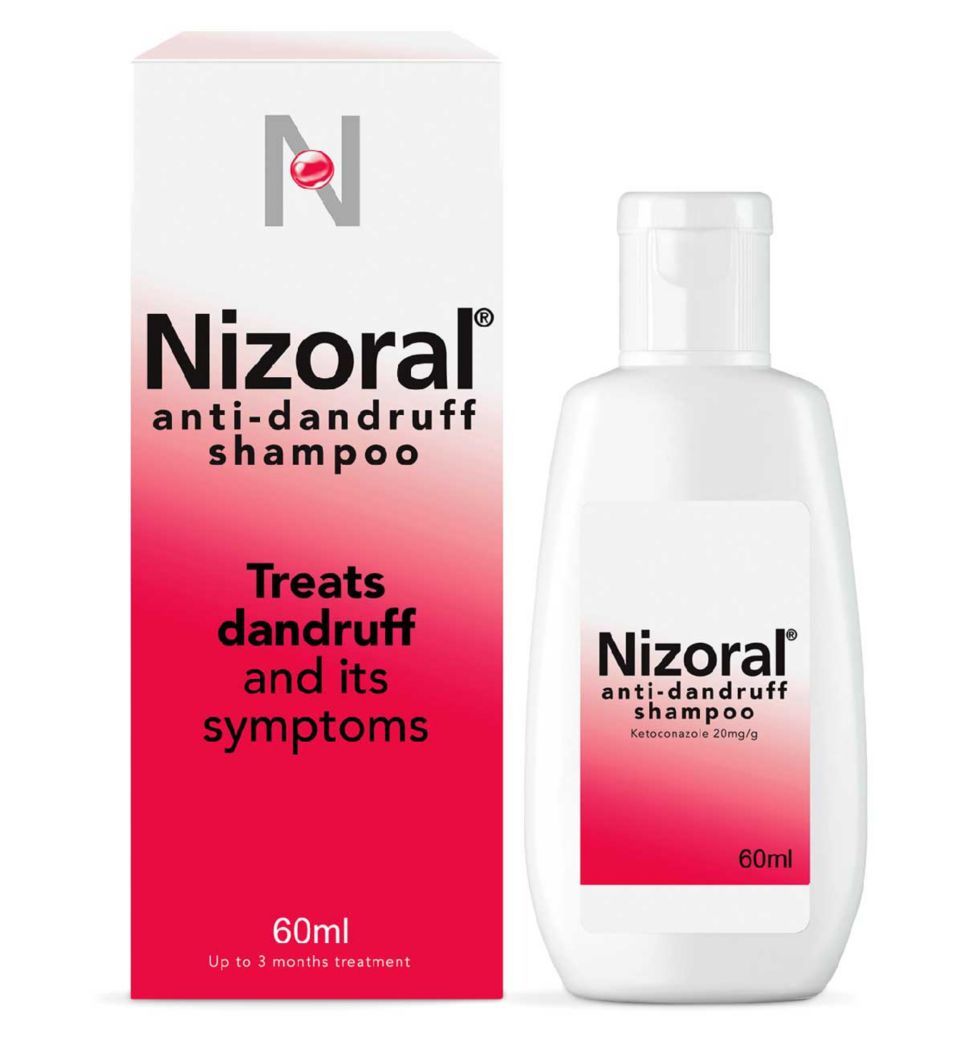
Nizoral Anti-dandruff Shampoo - 60ml
This shampoo is technically for dandruff, but its active ingredient, ketoconazole, is also ideal for treating the itchiness that can come with scalp acne. Ketoconazole is an antifungal, so it slows the growth of fungi that can lead to dandruff, which ultimately helps relieve symptoms like itching, scaling, and irritation. Sound familiar to your scalp acne? Exactly. Though the sulfate-based formula isn’t too stripping, it’s not exactly hydrating either, so alternate it with your regular shampoo every other wash.
- Key ingredient(s): Ketoconazole, citric acid
- Size: 60ml
K18 Peptide Prep Detox Shampoo 250ml
Most color-safe shampoos are notoriously gentle, which is great for keeping your dye job fresh, but not so great at treating scalp acne. Enter: This bond-building clarifying shampoo that contains salicylic acid to help break down clogged pores on your scalp, along with activated charcoal, which helps absorb excess oil and gunk (kinda like a charcoal mask for your scalp). This formula is also filled with peptides that'll help boost your hair's protein levels with each wash—a necessity for mitigating damage on colour-treated hair.
- Key ingredient(s): Salicylic acid, charcoal
- Size: 250ml
For me, scalp acne tends to look like a bunch of itchy red bumps along my part. Fun. But this anti-dandruff shampoo is one of the few formulas that helps calm my breakouts with 2 percent pyrithione zinc, an antifungal used to treat dandruff (which, fun fact, can also contribute to scalp acne via inflammation). Next time you’re dealing with flakes, bumps, or irritation, try massaging this shampoo along your scalp, leaving it on for two to three minutes before rinsing and smoothing a deep conditioner through your ends.
- Key ingredient(s): Pyrithione zinc
- Size: 240ml
The INKEY List Salicylic Acid Exfoliating Scalp Treatment 150ml
If traditional scalp acne shampoos are too drying for you, try this weekly scalp treatment that uses 2 percent salicylic acid to exfoliate your scalp and break down pore-clogging oils, along with panthenol to help soothe itchiness and irritation. Once or twice a week before shampooing, massage the serum into your scalp, then let it sit for ten minutes before rinsing. You should start to see results within a few weeks of use—and if not, time to make that dermatologist appointment to confirm you're actually dealing with acne.
- Key ingredient(s): Salicylic acid
- Size: 150ml
Sachajuan Scalp Shampoo 990ml
When my broken-out scalp is as greasy as the $1 slice of pizza I consumed on Friday night, I look to the two hero ingredients in this shampoo: lactic acid (which gently exfoliates) and salicylic acid (which also gently—but thoroughly!—breaks down clogged pores and dead skin cells). The result? A scalp that actually feels clean after rinsing and breaks out less over time.
- Key ingredient(s): Lactic acid, salicylic acid
- Size: 990ml
Briogio Scalp Revival Charcoal and Coconut Oil Micro-Exfoliating Shampoo

This sulfate-free scalp scrub contains activated charcoal to get rid of build-up, oil, and grime that could clog pores and contribute to acne. Massage it into your scalp with your fingertips (or a shampoo brush! I legit love them! Sponsor me!) for 30 seconds and rinse completely. Just remember to limit use to once a week to avoid aggravating your scalp and causing further irritation.
- Key ingredient(s): Charcoal, coconut oil, peppermint, spearmint, tea tree oil
- Size: 59ml 236ml 354ml
Oribe Serene Scalp balancing shampoo

Fact: Certain types of build-up can’t be broken down by gentle shampoos, which is where this formula comes in. The sudsy shampoo is filled with 2% salicylic acid to exfoliate pore-clogging dead skin cells, along with niacinamide to help reduce inflammation, and panthenol and glycerin to hydrate your scalp. And, thanks to the fact that it’s loaded with surfactants, it’ll also leave your scalp feeling hella clean and fresh—even after days of dry-shampooing.
- Key ingredient(s): Salicylic acid, niacinamide
- Size: 8.5 oz., 33.8 oz.
A shampoo filled with acne-fighting ingredients and strong detergents is great at treating scalp acne, but it can also be too drying for regular use. So for a gentler in-between cleanser, try this shampoo that contains lactic acid to help exfoliate dead skin cells, along with a mix of soothing and moisturizing ingredients (hi, allantoin, and glycerin) to keep your scalp happy.
- Key ingredient(s): Lactic acid, allantoin, glycerin
- Size: 250ml
Vanicream Free & Clear Hair Shampoo for Sensitive Skin, 12 Ounce
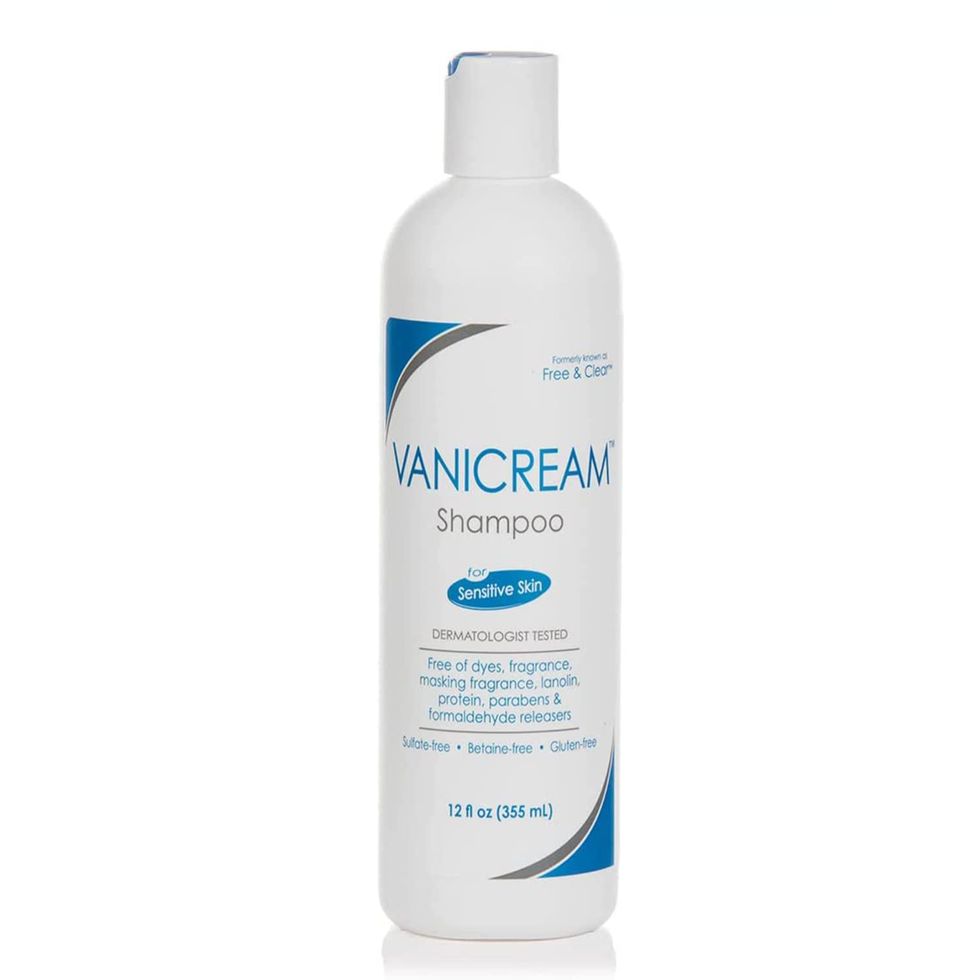
If you suspect your scalp acne could be due to irritation (like if you have hypersensitive skin that tends to get bumps from fragrance and harsh actives), try switching to this ultra-gentle shampoo for four weeks to see if it helps reduce your breakouts. The formula is free of sulfates, dyes, parabens, and other common allergens and irritants, making it as gentle as it gets for sensitive scalps.
- Key ingredient(s): Glycerin, panthenol
- Size: 355ml
Why am I getting pimples on my scalp?

You’re likely getting pimples on your scalp due to a mix of oil, dirt, and bacteria clogging your pores, leading to inflammation and zits. “Your scalp is an extension of the skin on your face,” says trichologist Lorna Jones, which means it's incredibly common for pimples to be found “on your face, chest, back, and sometimes even your scalp,” she says. Of course, acne can be caused by several other factors, including harmless bacteria already found on the skin, hormones, excess oil, and blockage of your hair follicles.”
How do I clear acne on my scalp?

To clear scalp acne, your first line of defense should be keeping your scalp clean and free of build-up with regular shampooing (even once a week, if you’re working with type-4 hair). And no, dry shampoo doesn't count. Product build-up and scalp oils are major causes of scalp acne, so wash your hair a minimum of once a week with a medicated shampoo containing salicylic acid or tea tree oil to help reduce clogged pores.
It’s also crucial that you wash your pillowcases and headscarves twice a week to make sure you’re not redistributing oils and grime back onto your scalp. Don’t feel like changin’ the sheets so often? I highly recommend buying a set of cheap pillowcases and swapping them out every week instead—which, FYI, can also benefit your facial breakouts too.
Just know that it might take more than a single shampoo to treat your scalp acne—especially if your acne is due to hormones or your zits are painful and cystic—in which case you’ll need to see your dermatologist for a targeted treatment plan that can range from medicated shampoos to oral medications.
How long does scalp acne last?

A scalp acne breakout can last one to two weeks if it's due to hormones or an allergic reaction, or it may come and go if you’re naturally acne-prone. Still, a medicated scalp shampoo with salicylic acid, tea tree oil, or antifungals may help decrease scalp acne within four weeks of consistent use. If not, you may need to try a new formula or make an appointment with your dermatologist.
Can I pop scalp acne?

No, you should not pop or pick at your scalp acne. When you try to pop a pimple on your scalp, you increase the risk of the zit becoming more inflamed, painful, and even infected. Popping zits also tends to spread acne-causing bacteria around your skin and scalp, which can lead to even more breakouts over time. If you do have a single, super-inflamed whitehead you’re looking to pop, try spot-treating it with a dab of salicylic acid toner and a Q-tip twice a day instead.
How often should you wash your hair if you have scalp acne?

In a magical world where nobody’s hair ever dried out, you would ideally wash your hair every day or every other day for scalp acne, says board-certified dermatologist Diane Madfes, MD. If you have a very oily scalp and fine hair that doesn’t dry out easily, you can wash daily with a sulfate-filled shampoo and likely still have soft, smooth hair. However, those with already dry or damaged hair should stick to their regular wash schedule and add in a salicylic acid-based shampoo once a week to mitigate zits.
To avoid additional dryness, focus all your shampoo at the roots of your hair and limit sulfate-filled formulas to once a week or every other week, if possible. A deep conditioner and a moisturizing leave-in conditioner will also be your best defense against dryness, especially if you’re working with curly hair, so try to incorporate them into every wash day.
How to choose the best shampoo for scalp acne:
Pick active acne-treating ingredients
For your regular scalp acne shampoo, trichologist Dominic Burg says you should look for “a sulfate-free shampoo that’s formulated with anti-inflammatory ingredients,” like tea tree oil, which can help soothe your scalp and even help kill some acne-causing bacteria.
But for a weekly treatment to get rid of scalp pimples, look for active ingredients like salicylic acid (an exfoliant that breaks down oil that could clog pores), zinc (an anti-inflammatory to reduce redness and bumps), and AHAs (like glycolic acid and lactic acid to exfoliate bumpy textures).
Avoid potential pore-clogging or irritating ingredients
Everyone responds to ingredients differently, so there is some trial and error involved here. But if you know that your face breaks out easily from oils (like mineral oil and coconut oil), you should limit the use of oils on your scalp, just in case it’s contributing to your scalp acne. Similarly, if you’re sensitive to fragrances or specific ingredients, you should avoid them in your shampoo, too, just to be certain you’re not breaking out from irritation.
Look for leave-on formulas
Scalp acne shampoos are often loaded with harsh surfactants and active ingredients that can strip dry, damaged, curly, or 4c hair. If your hair can’t handle these formulas, but you still need active ingredients to get rid of your zits, try opting for a leave-on salicylic acid serum or a tea tree oil treatment that can be massaged onto your scalp a few times a week before showering.
Meet the experts:
- Diane Madfes, MD, is a board-certified dermatologist in New York, NY and Greenwich, CT where she treats all skin conditions, including acne, rosacea, and melasma. She is also an attending physician at Mount Sinai Hospital in NYC.
- Lorna Jones is the owner of Caring for Hair, a group of hair loss and scalp specialists, and a member of the International Association of Trichologists. Jones specializes in many hair and scalp conditions—including hair thinning and CCCA alopecia—and has written her debut book, If Only Hair Could Talk, detailing her own experiences with hair loss.
- Dominic Burg is a chief scientist, hair biologist, and certified trichologist at Evolis Professional, Burg was a key member in creating the Évolis hair care line.

Beth Gillette is the beauty editor at Cosmopolitan, where she covers skincare, makeup, hair, nails, and more across digital and print. She can generally be found in bright eyeshadow furiously typing her latest feature or hemming and hawing about a new product you "have to try." Prior to Cosmopolitan, she wrote and edited beauty content as an Editor at The Everygirl for four years. Follow her on Instagram for makeup selfies and a new hair 'do every few months.
Ruby was the beauty editor at Cosmopolitan, where she covered beauty across print and digital. Her work has appeared on The Zoe Report, Fashionista, and StyleCaster. Follow her on Instagram.

18 pimple patches to help heal your breakouts

11 acne creams that *truly* banish spots

Azelaic acid is the does-all ingredient to know

Found: The 9 best foundations for acne-prone skin