8 *Incredibly* Water-Resistant Sunscreens for Your Next Beachy Vacay
Go ahead, dive in the ocean/lie on a pool float all day long.

We may earn commission from links on this page, but we only recommend products we love. Promise.
So you’ve got a beach vacay planned—or you live near the water—and wanna keep your skin super safe with the best sunscreen. First, I’m so jealous. Second, I gotchu! But let’s talk about it: Are sunscreens really waterproof anyway? Per the FDA, nah. When sunscreen manufacturers market their products, they can only call them water *resistant* based on a formal test. Depending on how they perform in water and/or significant sweating, brands can market products as water-resistant for either 40 or 80 minutes.
Before buying sunscreen, you should explore your skin type and unique challenges (I have sensitive skin that reacts to certain ingredients, for example). Knowing this will help you determine which type of sunscreen will work best for you—and you still might wanna do a little skin patch test if you’re worried.
Here’s what to look for (I know it’s a pain, but it’s really important to read the labels, bbs):
- Broad spectrum: This means the sunscreen protects against ultraviolet A (UVA) and ultraviolet B (UVB) rays—which is important because UVA rays are more harmful and more common but you can’t feel them.
- Reef friendly: There are a bunch of chemicals that are known pollutants posing a threat to the environment or water wildlife. Microplastics and oxybenzone are two of the more common ingredients; so is nano zinc oxide. Usually, “reef safe” will be on the packaging if the product doesn’t contain any of these chemicals.
- Sun protection factor (SPF): This is how well the sunscreen protects against UVB rays. Products with an SPF higher than 50 are misleading because they don’t necessarily offer significantly more protection. Instead, look for a broad-spectrum sunscreen, read the label to see when you need to reapply, and know whether you get water resistance for 40 or 80 minutes. Side note: It’s always a good idea to reapply after you’ve been in the sun for two hours, k?
- Chemical or physical/mineral: This is basically how the sunscreen works. Chemical sunscreens absorb UV rays into the skin and convert them into heat. Physical sunscreens sit on the skin and reflect UV rays. Physical sunscreen is usually heavier and can leave a white residue; zinc oxide and/or titanium oxide are often the main ingredients and can be gentler on sensitive skin. Chemical sunscreen is lighter and may offer more UVA protection but can cause irritation, depending on the person.
Because ILYSM, I did the work of identifying what sunscreens reviewers absolutely love. So feast your eyes on these eight best water-resistant sunscreens, and get ready to go swimming (or lie on that pool float for hours!).
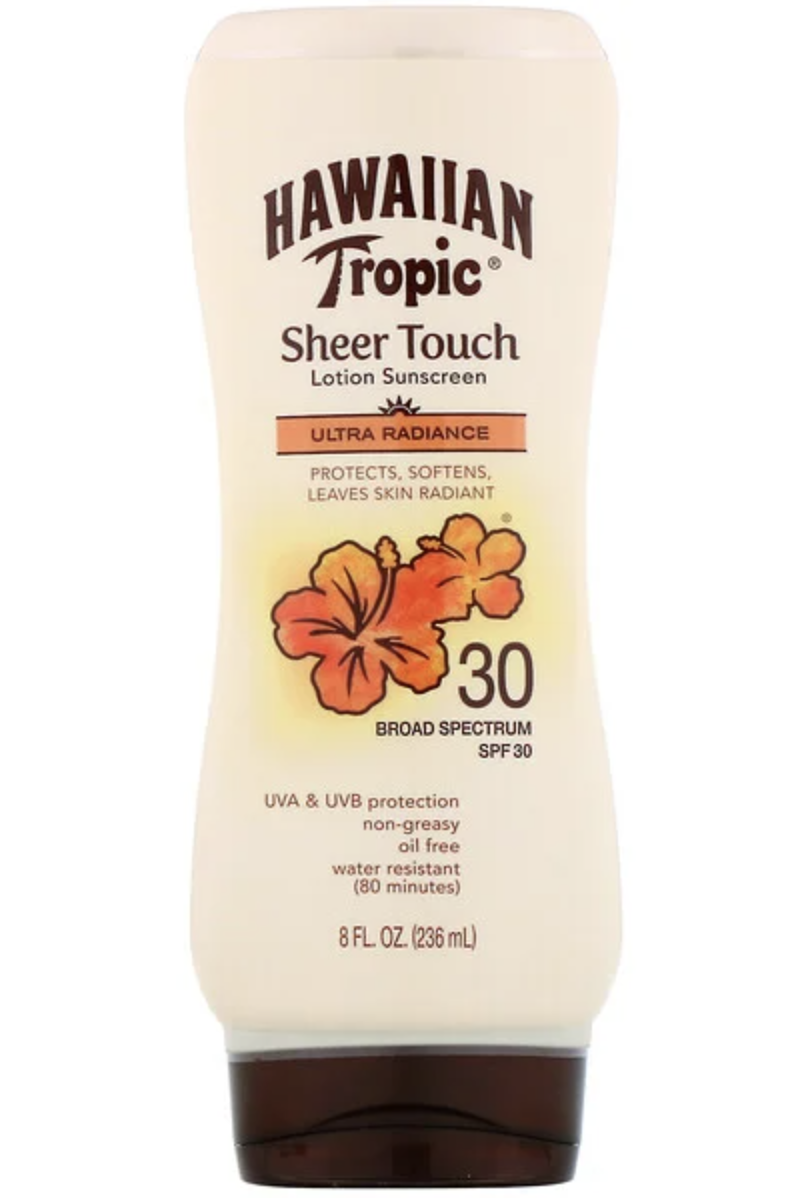
Reef friendly, moisturizing with vitamins C and E, and with a luscious fragrance, this one is like using a really nice lotion that happens to offer 80 mins of water resistance. Reviewers loved the glimmery sheen and the hydration—so it’s perf for someone with normal to dry skin.

This zinc sunscreen comes in a handy stick and made our best of 2022 list: It’s water-resistant for 80 minutes, and it’s easily spreadable and non-oily, vegan, fragrance-free, and good for sensitive skin. Reviewers said they saw a little white cast when they applied but it went away as soon as they rubbed it in.

Vegan, gluten-free, hypoallergenic, and good for all skin types? On top of offering 80 mins of water resistance, this best seller also apparently smells like bananas. Reviewers with even the fairest skin said it kept them safe from sunburn.
Blue Lizard Sensitive Mineral Sunscreen With Zinc Oxide


Reef safe and fragrance-free, this mineral sunscreen offers 80 minutes of water resistance and is designed for sensitive skin. The coolest part? The cap turns blue in the presence of UV rays as a nice visual reminder—oh yeah, I should totally apply this.

Yes, we love your skin too!! And who doesn’t love a piña colada smell? Eighty minutes of water resistance plus an anti-aging formula means you’re protecting and toning your skin at the same time. Win-win!

This whole line of sunscreens is highly reviewed, but this matte option is perfect for the face: no white cast, a matte finish, plus it has aloe, squalene, and shea butter to moisturize and soothe. Also, it’s reef friendly, it offers 80 minutes of water resistance, and it’s vegan and cruelty-free!
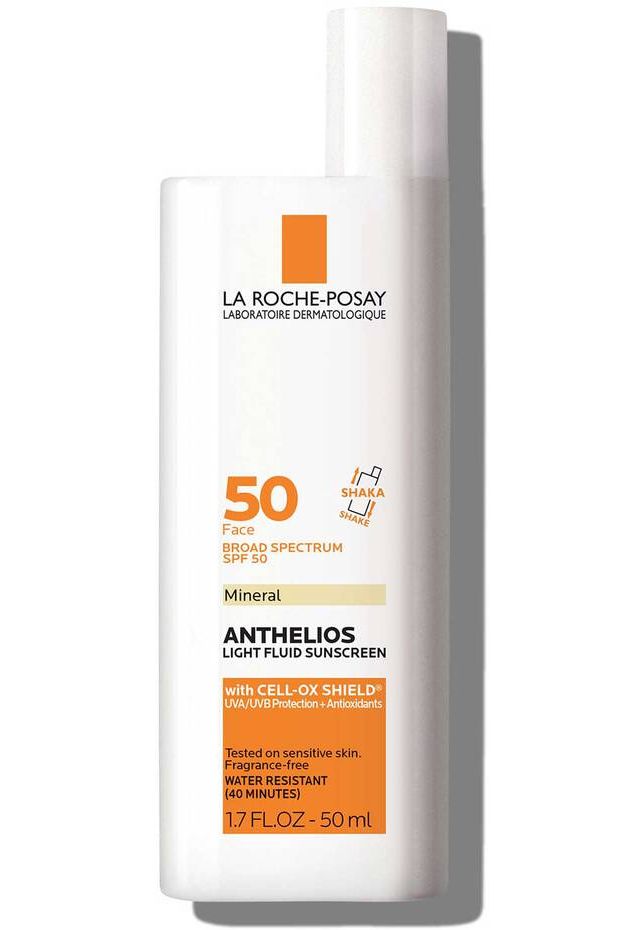
Peeps with sensitive skin: This French brand is a superstar for sunscreens, and with a matte tint, this one works well for putting on your face as a base layer. It’s water- and sweat-resistant for 40 minutes, and it protects against UVA, UVB, and free radicals (an effect of radiation that causes premature aging).

This reef-safe spray has vitamin E and green tea extract, so it’s super hydrating. But that’s not the big sell: Even though it’s a spray sunscreen, it’s really long-lasting and water-resistant for 80 minutes. Easy application + long-lasting sun protection = yes pls.

Readers Also Read

The Best Shoes for Styling Wide-Leg Jeans

The 7 Chicest Shoulder-Length Haircuts

Unique Gifts That Your BF Will Actually Like

Amazon Corset Dresses for ‘Wuthering Heights' Vibes


