Have you ever caught yourself staring at flawless curls and wondering how they get that perfect definition and shine? Same. And many of the curly girls with well-defined ringlets and coils have one thing in common: they follow the Curly Girl Method (CGM) to train their natural hair pattern. And while it looks effortless, CGM can also be confusing, frustrating, and overwhelming when you’re just starting out.
When I first began my official CGM journey, the articles and tutorials I found weren’t straightforward and often contradicted each other, leaving me with a million questions—what’s the simplest way for beginners? How long does it take to see results? How often should I do it? I’m probably not the only one who’s felt this way, which is why I wanted to create a clear, practical guide.
This is a step-by-step Curly Girl Method guide for a mix of curl types, based on my years of trial and error, plus insights from professional hairstylists and curl experts. It covers everything from choosing and applying the best CGM-friendly products to brushing and detangling, washing and drying, and more.
Take a deep breath and settle in for this informative read. Your hair doesn't know what’s coming—and I mean that in the best way possible. Ahead, everything you need to know about the Curly Girl Method, plus expert advice from professional hairstylists and curl experts.
Jump to:
- What is the Curly Girl Method?
- Will the Curly Girl Method work on my hair?
- How do you start the Curly Girl Method?
- What to avoid when doing the Curly Girl Method
- What products do you need for the Curly Girl Method?
- The simple Curly Girl Method product routine
- Can you use shampoo on the Curly Girl Method?
- How do you wash your hair with conditioner?
- What to use to wash your hair on the Curly Girl Method?
- How often should I wash my hair with the Curly Girl Method?
- What is the Curly Girl Method step by step?
- FAQs
- Can you brush your hair on the Curly Girl Method?
- How do I apply curl products with CGM?
- The easiest way to apply curl products
- How do you dry your hair on the Curly Girl Method?
- What is hair plopping?
- How long does it take the Curly Girl Method to work?
- What happens when you do the Curly Girl Method on straight hair?
- What should you avoid for the Curly Girl Method?
- Meet the experts
- Why trust Cosmopolitan?
What is the Curly Girl Method?
Before we explain how to do the Curly Girl Method, it will probably help to know what it is. Essentially, the Curly Girl Method—originally created by hairstylist and curl expert Lorraine Massey, who wrote Curly Girl: The Handbook—is a set of rules, techniques and products designed to enhance the natural texture of your hair. Massey noticed that traditional haircare routines, designed for straight hair, often left curls dry, frizzy, and undefined due to harsh shampoos, silicones, and heat styling.
Although the specifics can differ depending on your curl type (i.e., someone with super-tight coils may not follow the same protocol as someone with fine waves), the general idea behind the Curly Girl Method is the same: The correct routine can create beautifully defined curls.
By figuring out the best products and application methods for your exact hair type, you’ll be able to elevate your natural wave, curl, or coil pattern while reducing dryness, breakage, and frizz.
Will the Curly Girl Method work on my hair?
Celebrity hairstylist Marc Ballance assures that "the Curly Girl Method can work for all curly hair types, though the results can vary—it’s not a one-size-fits-all method." It takes trial and error to find the perfect CGM
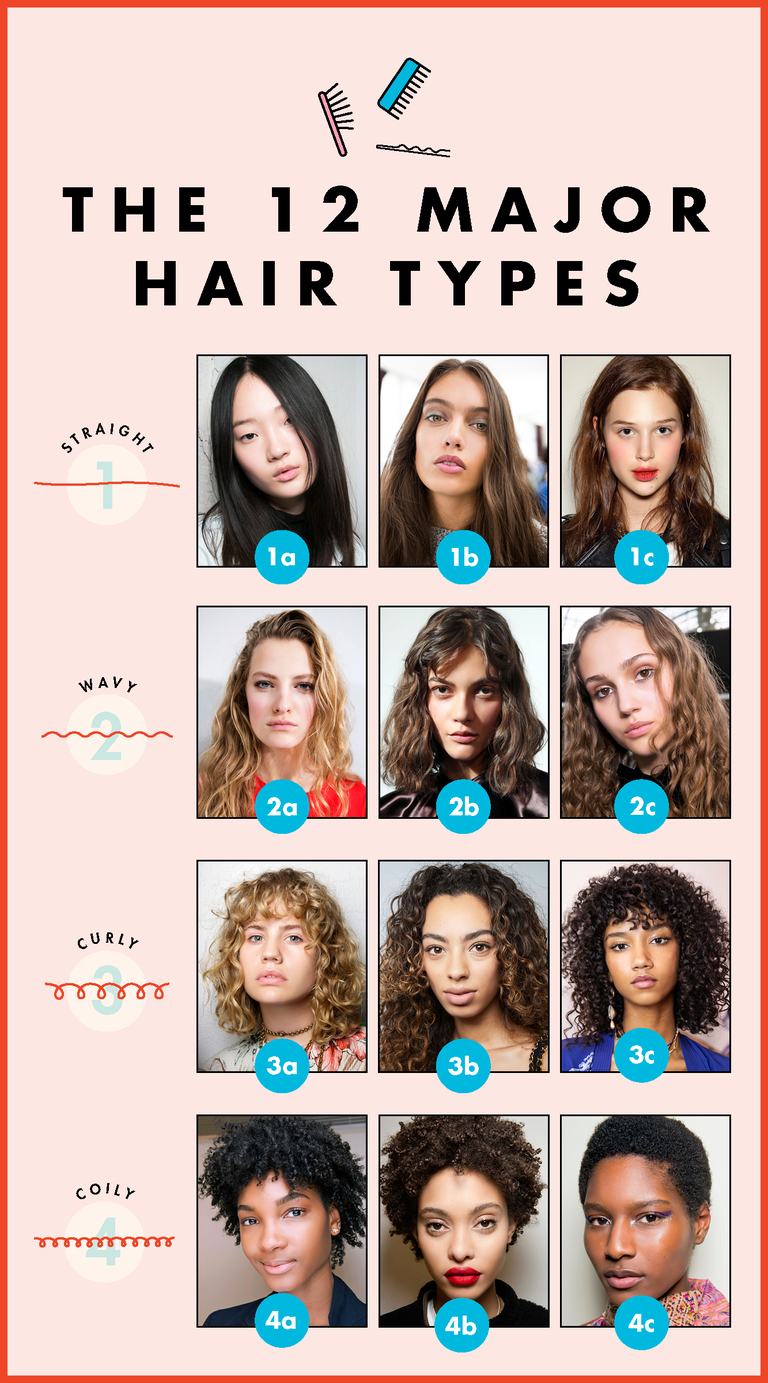
If you’re not sure if CGM works for your hair, I will say that type-3 curls tend to see the best results from CGM (again, make sure you know your hair type; it’ll make the jargon you read ahead much easier), though tons of people with 2c and 4a hair have also had amazing success. It doesn’t mean you can’t experiment if you have straighter or more coily hair, just know your outcome may vary.
How do you start the Curly Girl Method?
Starting the Curly Girl Method can feel overwhelming because it initially looks like a bunch of impossible, life-changing rules and steps. This is why it's important to keep an open mind, remember that if the CGM is too stressful or not working for you, you can modify (or stop!) at any point to make it easier (more on that later).
What to avoid when doing the Curly Girl Method
At its most basic, beginner level, the Curly Girl Method involves cutting out ingredients and products that hurt your curls (like anything drying or harsh), and then adding in things that heal, hydrate, and enhance the hair (like moisturizers, proteins, and gentle cleansers). So here are some of the “don’ts” and products to avoid.
Shampoo
Don’t freak—you just can’t use traditional drying shampoos, but you can safely use sulfate-free shampoos that cleanse without stripping your hair of its natural moisture (more on this below).
Hot tools
Devices like flat irons and curling irons can be damaging to curls, though using a diffuser occasionally on low heat is generally safe and helps maintain curl shape.
Sulfates
Harsh detergents found in traditional shampoos strip your hair of moisture, leaving curls dry, frizzy, and more prone to breakage over time.
Silicones
These polymers are found in 90 percent of hair products that coat your hair to give it a smooth, shiny finish. Silicones are the #1 enemy of CGM, because most forms of them can build up on your curls, leaving them lank, dry, flat, and/or greasy
Waxes and mineral oils
Like silicones, most waxes and mineral oils can accumulate on hair and usually require heavy-duty sulfates to remove, which defeats the purpose of CGM-friendly care.
Towel-drying your hair
Towels rough up your hair cuticle and lead to frizz and tangles. Most curly-haired people like to plop their hair, but more on how you can dry your hair below.
Alcohols
Although not all alcohols are bad, many can degrade your hair cuticle and are almost always found in aerosol sprays, like canned hairspray and dry shampoo.
What products do you need for the Curly Girl Method?
Now that you know what not to use, let's talk about a few of the products you'll be working with when starting CGM, especially if you're a beginner.
Note: There’s no correct answer or "must-have" product here, because everyone’s hair type is different, and what works for someone’s 4a hair isn’t going to work for your 2b waves. Still, here's the most basic CGM product routine you'd use after your reset wash:
The simple Curly Girl Method product routine
Cleanser
Depending on your hair thickness, this may come in the form of a sulfate-free shampoo, a lightweight conditioner acting as a cleanser (yes, it may be hard to believe, but I’m going to teach you how to wash your hair with conditioner!), or a rich co-wash. If you're confused about how a conditioner can be a shampoo, keep reading.
Conditioner
Again, depending on your hair type, this might be a totally separate conditioner, or you might be able to use the same conditioner that you used as a cleanser.
Gel
Note: Some people with ultra-fine or wavy-curly hair get better results with mousse, but the vast majority of CGM-ers do well with gel.
Keep in mind that the above products are great options to explore, but it's going to take a bit of trial and error. As a rule of thumb, all of these products below can be found in super-rich to super-light formulas, depending on what you buy, so this general combo works for the vast majority of beginners starting the Curly Girl Method. Remember, we all need to start somewhere!
Can you use shampoo on the Curly Girl Method?
Yes, the Curly Girl Method actually calls for two "shampoos": (1) your one-time-only "reset" shampoo that contains sulfates to clarify your hair, and (2) your regular sulfate-free cleanser that's super moisturizing and gentle. Depending on your hair type, this cleanser might be a moisturizing shampoo or a creamy conditioner that you use as a cleanser.
"Reset" shampoo
Before starting the Curly Girl Method, you need to strip your hair of all silicone and wax buildup, or you won't get the CGM to work for you. Seriously. So the very first shower you take to begin your CGM journey will require a “reset shampoo,” i.e., a sulfate-based clarifying shampoo to give you a clean foundation. After that? No more sulfates unless you accidentally use a product filled with unapproved silicones or waxes; then you’ll need to “reset” again with your clarifying shampoo.
Regular cleanser
Once you’ve done your initial reset wash, you're now officially done using sulfates. Moving forward, the product you'll be using to keep your scalp clean is a gentle, moisturizing, sulfate-free cleanser—which, in CGM world, can be one of two things, explains curl expert and hairstylist Stephanie Tineo—a sulfate-free shampoo or a conditioner/co-wash.
How do you wash your hair with conditioner?
Here's where many people get confused. The Curly Girl Method says to use conditioner—yup, normal conditioner—as your cleanser. I know, it may sound wild, but technically, conditioner has some gentle cleansing agents in it already (which is how you're able to rinse it from your hair in the first place). Using conditioner to wash your hair isn't new: It stems from the natural hair community and has historically been known as "cleansing conditioner" or "no-poo" or "co-wash."
The idea is that curly hair is naturally dry and doesn't need harsh cleansing agents to get clean, especially if you have coarse, thick, or coily hair. But as someone with super-fine, easily greasy hair, cleansing with conditioner might not work for you—which is where sulfate-free shampoos come in (keep reading).
What to use to wash your hair on the Curly Girl Method?
Before you blindly stock up on products, check out the two shampoo/cleanser categories below and determine which is best for your hair type:
Sulfate-free shampoo
- A sulfate-free shampoo, also called “low-poo,” as in low-shampoo, contains gentle detergents to break down scalp oils and buildup, without overly stripping the hair.
- Sulfate-free shampoo is best for waves and flat curls that get greasy and oily fast.
- Note: Some sulfate-free cleansers are still a bit drying, which you can tell by the way your hair feels right after you rinse it out. If your hair feels squeaky instead of slippery, the cleanser you're using is too harsh. If you don’t wanna waste money, try mixing a few squirts of conditioner into your shampoo.
Cleansing conditioner or regular conditioner
- Cleansing conditioners, called “co-washes” or “no-poo” are essentially rinse-out conditioners used as shampoo. Many curl and coil types don’t do well with drying detergents—they only need water, moisture, and a thorough scalp massage (you should be massaging your co-wash into your roots for at least 60 seconds) to get clean.
- Cleansing conditioners are best for all coil types and many drier curl types.
- Note: Most CGM guides will tell you to start with a cleansing conditioner—instead of a sulfate-free shampoo—regardless of your hair type, since people are often surprised by how well their hair (and scalp) adjusts to them after a month.
How often should I wash my hair with the Curly Girl Method?
Although many guides will tell you that you should only “shampoo” or cleanse once a week, every scalp and hair texture is different, and how frequently you “shampoo” or cleanse is up to you. Ballance says to factor in your own lifestyle and think about how often you work out or if your hair tends to feel greasy quickly. "The only cadence I recommend avoiding is every day," he explains.
As long as you’re using gentle, moisturizing products, how often you cleanse shouldn’t matter to your curls. Still, a good rule of thumb: If you have coilier hair, try co-washing once a week; if you have thicker, coarser curls or waves, try cleansing 1-3 times a week; and if you have fine, oil-prone waves or curls, you can cleanse every other day if needed.
What is the Curly Girl Method step by step?
Here’s how to put all of your newfound knowledge to use:
STEP 0: Final “reset” wash before beginning
Wash your hair with a sulfate-filled clarifying shampoo to remove all silicone buildup. Repeat this step any time you accidentally use a product with silicone or wax.
STEP 1: Co-wash/cleanse
Wash your hair with a CGM-approved cleansing conditioner or sulfate-free shampoo. Tineo says to “apply the conditioner and use your fingers to massage the conditioner to your hair.” Don’t forget to work it into your scalp and massage for at least one minute with your fingers or a shampoo brush. Tineo then recommends running “a wide-tooth comb or a detangling brush through your strands before rinsing.” Voila! Your hair is cleansed.
STEP 2: Conditioner
Take a large handful of CGM-approved conditioner through the bottom half of your hair until your strands are fully saturated and coated, then detangle (again) with your fingers or a large-tooth comb. Rinse out most or all of the conditioner. Note: Many people use the beloved "squish to condish" technique here.
STEP 3: Style
You can apply your styling products a dozen different ways (more on that below), but most methods involve layering and squishing them into your wet hair. For beginners, start with a CGM-approved gel; scrunch a palmful (it may feel like a lot) into your sopping-wet hair from roots to tips.
STEP 4: Dry
Either plop your hair for 5-15 minutes, or gently cup and scrunch the excess water from your hair with a cotton T-shirt or microfiber towel. Air-dry (don’t touch!) or diffuse your hair on low heat. Once your hair is 100 percent dry, gently scrunch your hair with your hands to get rid of the crunchy gel coating.
That’s it. That’s the very basic Curly Girl Method. Not as intimidating as it seems, right? Once you’ve got the basics down and played around with the different application methods, you can try switching up your products for different results.
FAQs
Does the Curly Girl Method make hair curlier?
The Curly Girl Method will help enhance your natural curl or wave pattern—it can't create curls on hair that's naturally straight or slightly wavy. The whole goal of CGM is to get healthier, fuller, more defined curls—essentially, seeing the max potential of what your hair texture can do—which means you already need a distinct wave or curl pattern to start with (which means at least 2b waves).
What if the Curly Girl Method isn't working for me?
You're not going to get major hair changes overnight. Give yourself 4 to 6 weeks of using the simplified, three-step routine before making any adjustments.
Tineo often chats with clients who claim they’ve tried everything without results, but she says 99% of the time they’re using the wrong products for their specific hair type. “For example, if you have fine hair using products that are too heavy will weigh down your hair,” she explains. “It does take a while for you to find what works best for the hair,” she adds, so remember to consider your porosity (how well your hair absorbs products), dryness, and frizz level on top of your curl pattern because all of these aspects matter!
Can you brush your hair on the Curly Girl Method?
Technically, the Curly Girl Method doesn't allow for traditional brushing because it disturbs your curl pattern. Tineo recommends only brushing your hair in the shower with a wide-tooth comb when it's saturated with conditioner. But this method doesn't work for everyone.
Tighter curls, for example, will often require a comb to detangle in the shower, yes, but also require a curly hair brush to detangle and distribute products while twisting, braiding, and protective styling. Fine waves and curls, or hair that's especially prone to tangles, may also be too fragile for wet detangling. Thin curly hair tends to snag while wet, so dry-brushing right before hopping in the shower so it's fully detangled, and then combing through it again in the shower with conditioner might be best.
Basically, it all comes down to what works for your hair type—which is where the Curly Girl Method can feel both limiting and overwhelming at first. You need to experiment, bend the rules, or throw out the rulebook altogether if it's not working for you. But! To make it simple, I'd recommend sticking to in-shower combing only for the first six weeks, then re-evaluate and adjust if needed.
How do I know if a product is Curly Girl Method-approved?
You can use the go-to website called Is It CG? that’ll tell you if your hair products are Curly Girl Method-approved.
Just copy and paste the ingredients of a product (I copy the ingredients straight from the product’s website to be sure) and Is It CG? will tell you if it’s safe to use or not. Once you’ve got a list of approved products, the rest is just playing around with application techniques.
How do I apply curl products with CGM?
Okay, so this is arguably the most difficult part of the Curly Girl Method: applying the products. There are so many methods, and you’ll need to experiment to find which works best with your curls. To keep yourself from spiraling, though, try testing one method at least three times before moving on to a new method. Each time, make sure to vary how much product you use, how wet your hair is, etc., to really see if a method does or doesn’t work for you.
But let’s talk about the easiest, most universally beloved application method.
The easiest way to apply curl products
Upside-down scrunching
Scrunching allows you to squish products and moisture into your hair at every step of the process, encouraging clumps (aka defined curls) and healthy hydration. And if you do it upside down, you get the added benefit of volume on finer hair types.
After shampooing, flip your head over (bending at the waist), rake all your hair forward, then squish conditioner into the ends. Rinse your hair by squishing in palmfuls of water, then squish in palmfuls of gel. The water in your hair will help dilute and distribute the gel, while all the cupping and scrunching will encourage major curl or wave formation.
How do you dry your hair on the Curly Girl Method?
Once you’ve applied your products, Tineo recommends plopping your hair by scrunching out the water with a cotton T-shirt or microfiber towel, then diffusing it on a low heat setting, or let it air-dry.
What is hair plopping?
Hair plopping is a handy drying technique for those with curly hair that helps to define your coils without using *any* heat. Rather than wrapping your head in a regular towel (which can be too abrasive and lead to breakage or frizz, FYI), Tineo says this approach calls for a microfiber towel or cotton t-shirt. “When done correctly, it defines curls and absorbs excess water,” she says.
For the best results, you want to be as gentle as possible. Lay the microfiber towel or t-shirt on a flat surface, and after you’ve applied your products, flip your head over and gingerly lower your hair onto the towel or t-shirt (almost like you’re scrunching once in slow motion) and then secure it around your head.
How long does it take the Curly Girl Method to work?
The Curly Girl Method can take at least six weeks to "work"—mostly because of your learning curve—and the obligatory “transition phase” isn’t always ideal. The Curly Girl Method requires a lot of trial-and-error and experimenting; you’re probably going to want to quit CGM a few times; and you’ll probably have a ton of bad hair days before you finally crack the code—which will be worth it in the end!
This isn’t to deter your curl journey. You’re suddenly working your waves and curls in a new way with fresh products and unique drying methods, so it’s inevitable that your hair will take a bit of getting used to in the beginning. But, it works for the vast majority of people who stick with it.
What happens when you do the Curly Girl Method on straight hair?
Honestly, not much. This method won’t change the texture of your hair or magically produce curls if you have straight hair. However, Ballance mentions that "completing these steps can give your hair a little more movement for an effortless I-woke-up-like-this look." Plus, if you’re fully following the method (i.e. completely avoiding heat styling and brushing your hair while dry), your hair will become healthier, and you just might experience more shine and less dryness.
What should you avoid for the Curly Girl Method?
While we touched on a few of these above, let’s break it down even further into actions and ingredients:
- Both our experts say that heat styling is the number one no-no when committing to the Curl Girl Method. “In order for this routine to work you completely need to avoid using heat,” urges Tineo. Heat is essentially enemy number one for hair and produces the most damage which can mess with your curl pattern. If you absolutely must dry your hair, only do so with a diffuser on the lowest setting.
- The less you shampoo, the better. While the amount of time you can go in between washes will depend on your hair type and lifestyle, Ballance says to avoid washing your hair every single day.
- This may sound a bit odd, but don’t stretch out your curls. Once your ringlets are fully formed and dry, Ballance says "let them be because stretching them out can disrupt the curl pattern."
- Sulfates: Usually found in deep-cleaning or clarifying shampoos, sulfates can be harsh, drying, and remove too much oil (which your curls need to stay hydrated!)
- Silicones: These prevent essential moisture from reaching your strands, leading your curls to look dry and sometimes frizzy.
- Drying Alcohols: Like the name suggests, this ingredient can leave your hair dry af and fragile.
Where can I learn more about the Curly Girl Method?
I, personally, learned everything I currently know about CGM from both Naturally Curly and Reddit’s r/CurlyHair community. Curlsbot.com also has a phenomenal quiz on your hair porosity (very, VERY important to your overall curly hair journey) with product recommendations, too.
You can also learn a ton from curl accounts on social media (FYI, not everyone follows strict CGM, so double-check product recommendations):
As you can see, the curl community is a literal community—it takes a village to figure out hair textures, and these are just a few of the many resources available out there.
Don’t forget to also consult your hairstylist. They’re experts for a reason, and oftentimes, they know your hair better than you do.
Meet the experts
- Stephanie Tineo is a hairstylist and curly hair expert based in New York, NY.
- Marc Ballance is a celebrity hairstylist based in New York, NY.
Why trust Cosmopolitan?
Chloe Metzger has over 10 years of experience researching, writing, and editing hair stories that range from the Curly Girl Method to cleansing conditioners to hair types. She’s an authority in all hair categories, but is an expert when it comes to curly hair, thanks to her own lifetime of working with her own 2b/3a curly hair. She regularly tests curly hair gels, mousses, and creams for efficacy, and worked with the industry’s top hairstylists and cosmetic chemists to assess new formulas and brands for this story.
Jasmine Hyman is the assistant beauty editor at Cosmopolitan and has over three years of experience researching, writing, and editing hair stories. She's an authority in all beauty categories and is always testing the best and newest products on her wavy hair.

Chloe Metzger is the deputy beauty director at Cosmopolitan, overseeing the editorial content and growth strategy of the hair, makeup, and skin space on digital, while also obsessively writing about the best hair products for every hair type (curly girl here; whattup), and the skincare routines that really, truly work (follow her on Instagram to see behind-the-scenes pics of that magazine life). She brings nearly a decade of writing and editing expertise, and her work has appeared in Allure, Health, Fitness, Marie Claire, StyleCaster, and Parents. She also has an unhealthy adoration for Tom Hanks and would like to please meet him one day, if you could arrange that. Thanks.
Jasmine Hyman is the Assistant Beauty Editor at Cosmopolitan, where she writes about the latest beauty trends and must-have products. Her most prized beauty possessions are a meticulous skincare routine and salon blowouts. You’ll also likely find her in bed reading a good book or endlessly scrolling TikTok (spoiler: it’s usually the latter) while listening to Harry Styles’ entire discography on repeat. Follow her on Insta to be inundated with pictures of her meals.