Raise your hand if you can rattle off the names of popular active ingredients in skincare and how they benefit skin. Wow! Welcome to the club of the ~seriously~ skincare obsessed; our official motto is "in retinol we trust." So it might not be a total surprise that certain ingredients can have a synergistic effect, working even better when paired up in a given formula or skincare routine. (See: retinol and vitamin C, vitamin C and niacinamide, hyaluronic acid and retinol, you see where we're going.) The latest power couple to hit the shelves is niacinamide and retinol, two vitamins—vitamin B3 and vitamin A—that can amplify the benefits of both for skin.
Even better, the combo of niacinamide and retinol is one that everyone can use. Not only are they a dream pairing for treating breakouts and managing acne scars—we'll explain why in a sec—but the two are also great for anyone with sensitive skin, retinol newbies, or people who just doesn't want to deal with the redness and irritation that sometimes accompany retinol use. Here's everything you need to know.
What is retinol?
Never met the stuff? Allow us to introduce you to this MVP, which kind of does everything. A derivative of vitamin A, "retinol accelerates cell turnover, which removes dead skin cells and reveals underlying new, sensitive skin," says Lauren Penzi, MD, a board-certified dermatologist in New York.
It can also promote collagen, "making it especially helpful for fine lines, wrinkles, texture and firmness," she says. But wait, there's more! "It also helps to remove dead skin cells and clean out pores, making it also a powerful acne fighting ingredient," says Dr. Penzi.
However, its ability to speed up skin cell turnover means that it can *also* cause irritation, complete with redness, dryness, itching, and stinging. And "it also makes you more sensitive to sun, as the new skin cells are more prone to irritation from UV exposure," says Dr. Penzi.
What is niacinamide?
Now, let's talk niacinamide. Dr. Penzi calls it a jack-of-all-trades, since "it helps to reduce inflammation, reinforce and improve the skin barrier, help retain moisture, and regulate oil production," she says. It can also help encourage collagen production, although to a lesser degree than retinol does.
Also! Niacinamide can help even out skin tone and fade dark spots; unlike vitamin C, which interferes with the pigment production process, niacinamide prevents fully formed pockets of pigment—melanosomes, if we're getting technical—from reaching skin's surface. So it can also help if you're dealing with melasma as well as post-inflammatory hyperpigmentation following another annoying breakout.
Even better: Pretty much everyone can use it. It works as a calming agent and can brighten skin, "so even the most sensitive skin can tolerate niacinamide well," says Amy Freeman, MD, a board-certified dermatologist in Millburn, NJ.
Can you use niacinamide with retinol?
Yes, and you probably should! "Niacinamide also reduces sebum production so combined with retinol—which speeds up cell turnover—it is an effective anti-acne product," says Dr. Freeman.
And not only do they complement once another, but also, "they help to balance each other out," says Dr. Penzi. "Retinol can be a powerful skincare ingredient in that it increases cell turnover, which sometimes leads to irritation." Niacinamide's anti-inflammatory effects help counteract that, leaving skin calm and comfy. Plus, retinol can also be drying—but niacinamide reinforces the skin barrier and helps to retain moisture, she says. So, if you haven't been able to handle retinol's side effects in the past, adding niacinamide might make it way easier to tolerate.
Niacinamide + retinol combos we <3

Youth To The People Retinal + Niacinamide Youth Serum

Skinfix Acne+ Adapinoid Gel
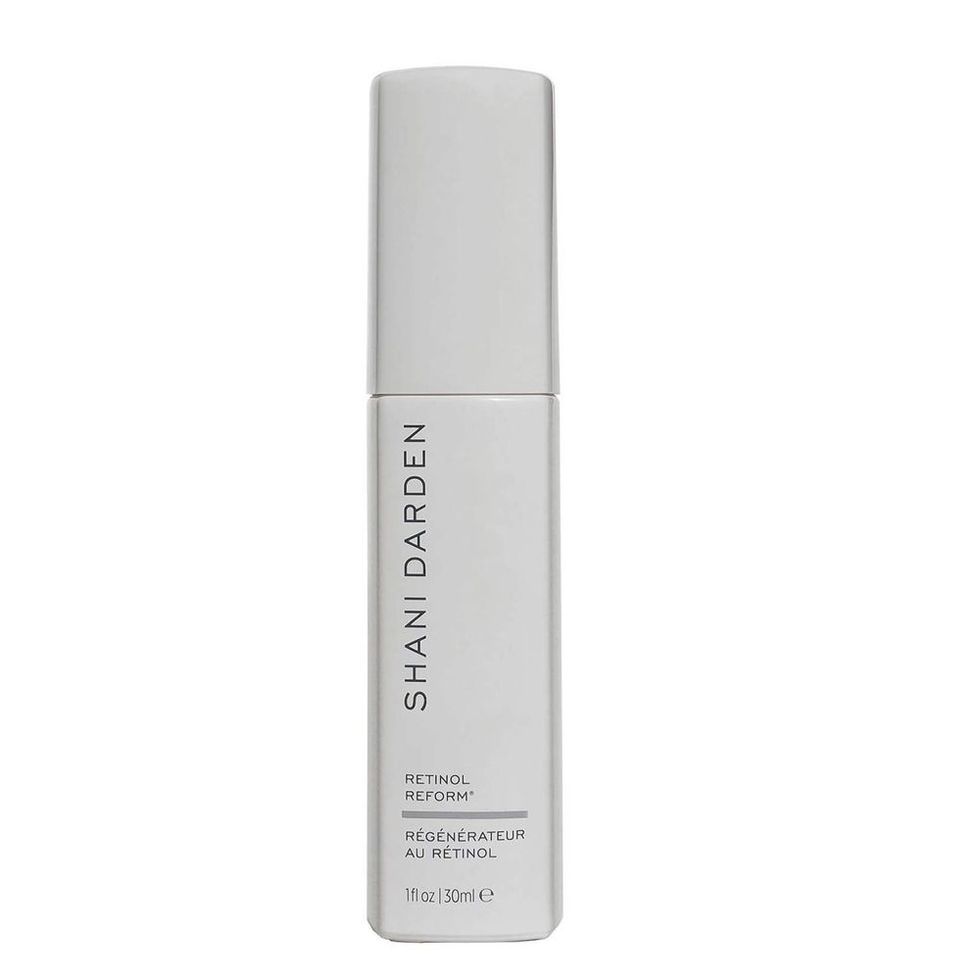
Shani Darden Retinol Reform

Drunk Elephant A-Passioni Retinol Cream
Okay, so we've got perks for acne-prone skin and sensitive skin. But niacinamide and retinol is also a great one-two punch for signs of aging. The combo allows for anti-aging benefits, like "the reduction of fine lines and wrinkles, improvement in hyperpigmentation, and overall smoother and brighter complexion," says Dr. Freeman.
Niacinamide + retinol for below the neck

Soft Services Software Update Retinol Body Serum

Nécessaire The Body Retinol
Thanks to niacinamide's ~gentle~ profile, there's really no wrong way to use the two ingredients (which, btw, you can now find paired together in a single formula—see above!). However, "if you're going to use them separately, consider applying niacinamide before retinol to prep the skin and reduce potential irritation," says Dr. Penzi. "After letting it dry for a few minutes, then apply your retinol, and follow up with moisturizer as the last step."
FYI: Retinol should only be used in your nighttime routine, since it can cause sun sensitivity. So, after washing your face before bed, layer on a niacinamide serum, follow it up with retinol cream, finish with a moisturizer, and get ready to wake up to clearer, smoother, brighter skin.
Meet the Experts
- Lauren Penzi, MD, is a board-certified dermatologist at MDCS Dermatology who practices at several locations on Long Island, NY. She specializes in both medical and cosmetic dermatology.
- Amy Freeman, MD, is a board-certified dermatologist at Schweiger Dermatology Group in Millburn, NJ. She specializes in general dermatology for adults and children, skin cancer, and cosmetic dermatology.
Why Trust 'Cosmopolitan'
Deanna Pai is the interim deputy beauty editor at Cosmopolitan with more than 12 years of experience covering skincare, makeup, and beyond. She’s an authority in all skincare categories, but is an expert when it comes to active ingredients, since she's used most of them (alas). When she's not testing skincare formulas, she's chatting up top dermatologists to learn about everything new and innovative.
Deanna Pai is a freelance beauty writer and editor currently based in New York. She has more than 10 years of experience writing about beauty and wellness.


