
I leave my biweekly gel manicure to the pros. I love watching the manicurists create tiny works of art on my nails, especially since it’s a skill I could never replicate at home. But a DIY pedicure? That’s a different story—it’s totally achievable at home, and even the experts agree. “A DIY pedicure is great because you have the flexibility to do it anytime and also control the ingredients you use,” says celebrity manicurist Mazz Hanna.
The perks of pedicures at home are plenty, starting with the fact that they can save you time and money. Hanna spills everything you need to give yourself a spa-worthy pedicure from the comfort of your own home, from all the supplies to have on hand to step-by-step instructions on how to get your feet in tip-top shape.
Jump to:
- Step 1. Gather your pedicure supplies
- Step 2: Prep your nails for your at-home pedicure
- Step 3: Soak your toes and feet
- Step 4: Get rid of any dead skin
- Step 5: Trim your toenails
- Step 6: Shape your toenails
- Step 7: Add a few drops of cuticle oil
- Step 8: Massage your feet with lotion
- Step 9: Apply a layer of base coat
- Step 10: Paint your toenails
- Step 11: Finish with a top coat
- The final look
- Meet the expert:
- Why trust Cosmopolitan?
Step 1. Gather your pedicure supplies
Before you set off on your at-home pedicure journey, make sure you have all the proper tools. (And because I know you're thinking it: Don't worry, we've got some really excellent product recs throughout this guide if you need some ideas.) You can decide how basic or fancy you want to get with your supplies, but in general, you'll want to at least have the following:
- Nail polish remover
- Foot file or pumice stone
- Nail file and clippers
- Foot cream and cuticle oil
- Nail polish (including a base coat and top coat)
Step 2: Prep your nails for your at-home pedicure
Time to finally get rid of the remnants from your last pedi (seriously, how long have you had that chipped-as-hell red?) and do a proper polish removal. “I love Dazzle Dry non-acetone polish remover,” Hanna says. “It’s non-drying and smells absolutely divine. I apply a few pumps onto a cotton pad, hold it over the nail for 5 to 10 seconds, and then, with medium pressure, wipe up toward the free edge of the nail, away from the cuticle,” says Hanna, adding that “you always want to try to remove it in as few swipes as possible and avoid staining the surrounding skin with old polish. If you are removing red or another dark color, apply cuticle oil first, which acts as a buffer against staining.
If you have dark stains or a yellow tinge left on nails, Hanna says you can gently buff it away. “Always use a basecoat and avoid leaving polish on for more than 2 to 3 weeks to avoid this,” she says.
Though nail polish remover isn’t necessary if you’re starting with bare nails, Hanna says it’s a good idea to swipe an alcohol wipe across the nail to “remove any oil which can inhibit the nail polish from properly adhering.”
How to prep for your pedicure

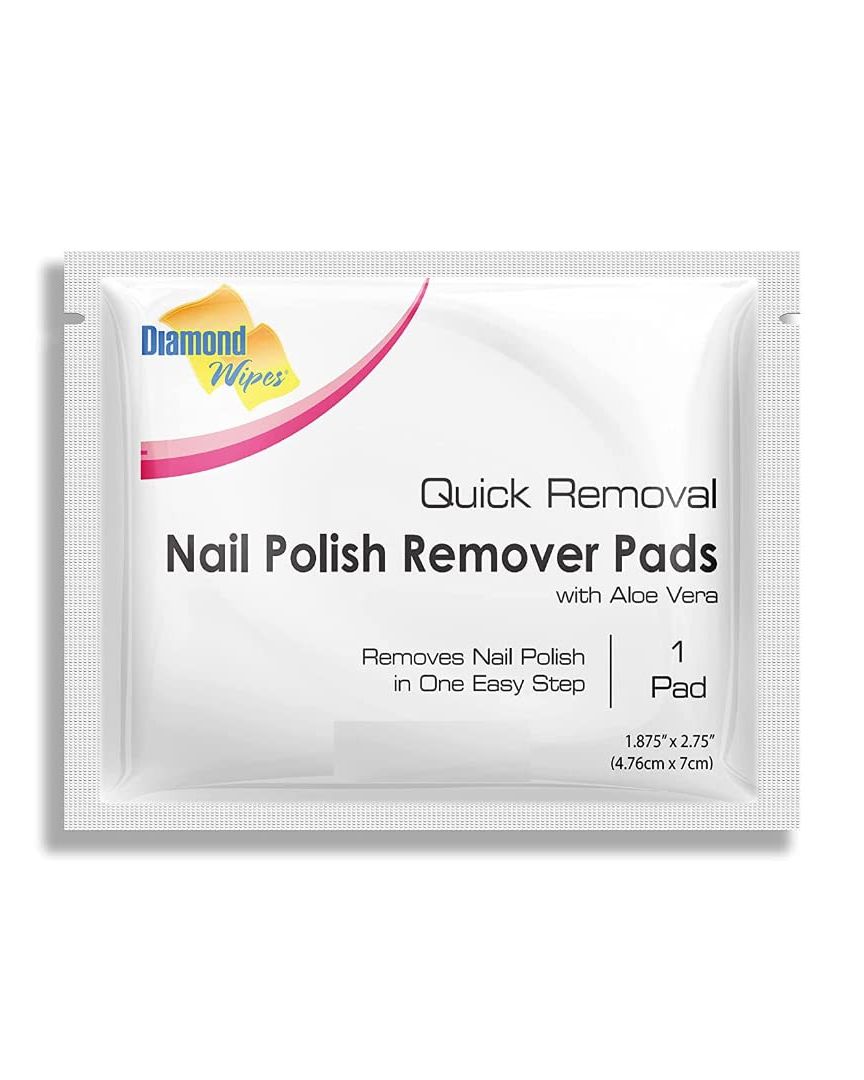
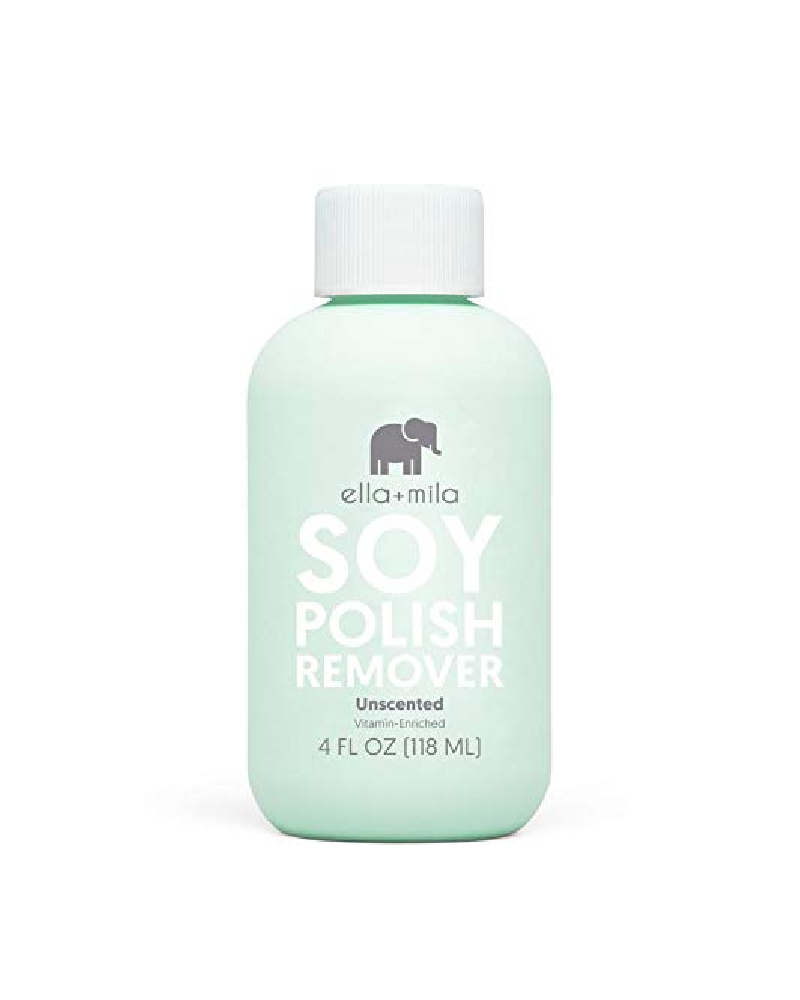
Step 3: Soak your toes and feet
Before you start soaking, your first job—and this is important—is to go around your house and gather every candle you can find. Oh, and get yourself a glass of wine while you’re at it. The trick to making an at-home pedicure feel like a spa experience instead of, you know, rubbing your own feet in your too-small-for-comfort apartment, is setting the ~mood~ at your makeshift pedicure station.
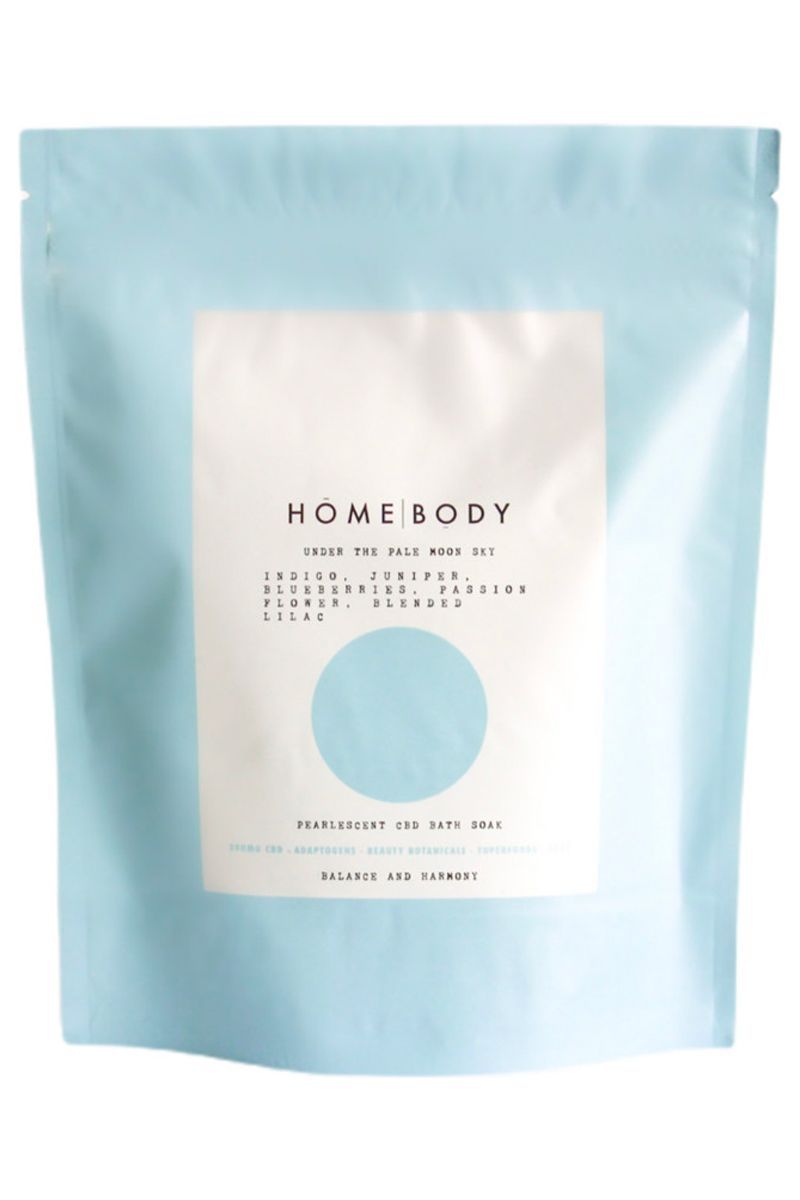
Once the ambiance is right, you’re ready to soak your feet, which softens tough skin and cuticles (and is downright relaxing). I suggest using a pedicure basin (aka a really big bowl) if you have one, but your bathtub is also a sound option. Fill ’er up with warm water and add a liberal scoop of skin-soothing bath salts (or use a cup of sea salt). “If you are going to soak your feet, you should plan on soaking for at least 10 minutes,” Hanna says. “I love using Epsom salts; Dr. Teal’s makes a great one.”
If you don’t want to invest in a pedicure basin or are simply in a time crunch, Hanna has the ultimate hack: “I always love to start my pedicure prep in the shower to make things super easy,” she says. “Toward the end of my shower, when my feet are soft, I will sit on a bench and spray Foot Logix callus remover spray on my heels or any other rough areas on the feet. After letting it sit on for a minute, I will slough away any calluses with a callus remover. Once I’m finished, I will give my feet a final rinse before getting out of the shower.”
The ultimate foot-soaking products
Step 4: Get rid of any dead skin
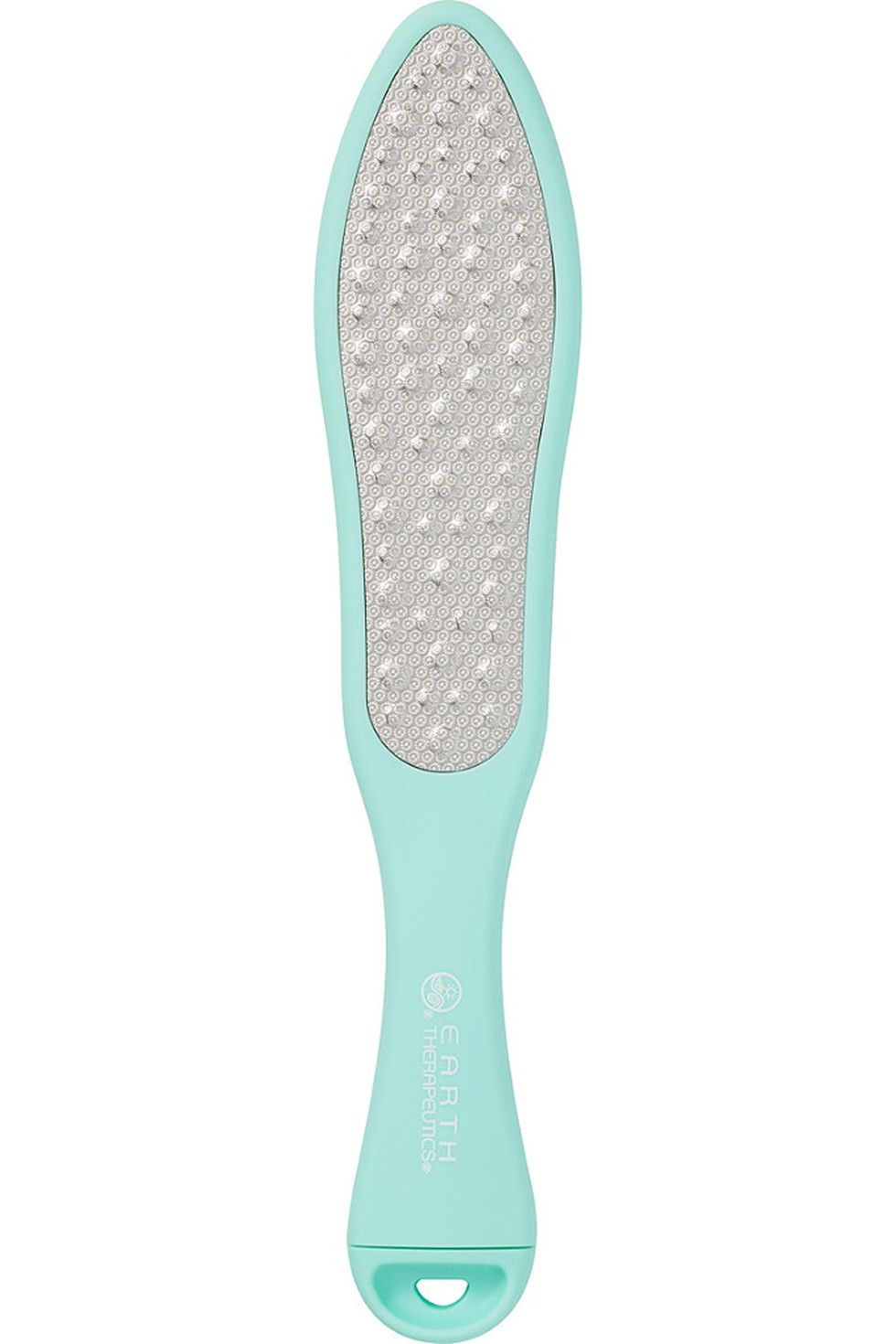
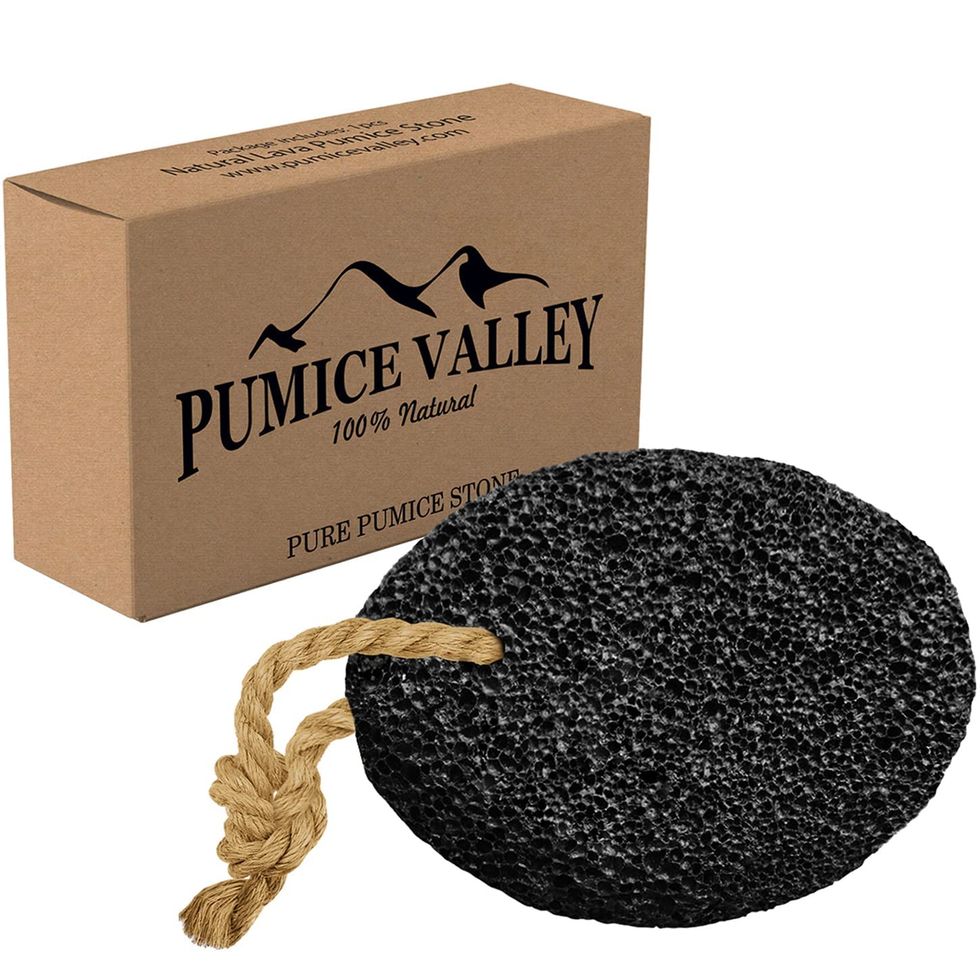
Okay, so this is lowkey my favorite part. I know I'm weird, but it's way satisfying to see how smooth your feet get after rubbing everything off. After patting your feet dry, grab a foot file or a pumice stone and go to town on your calluses, removing any and all dead skin. “I prefer a foot file; they are easier to use and sanitize,” Hanna says.
Be sure to really focus on your heels and any other calloused, hard areas. Scrape until your feet feel smooth, but don't scrub your feet raw—you could end up causing irritation, which is never fun.
Step 5: Trim your toenails
Once your feet are smooth, it's time to whip your toenails into shape. Reach for classic nail clippers to trim and cut your nails. Don't worry about getting the edges perfect—you'll take care of that in the next step.
Step 6: Shape your toenails
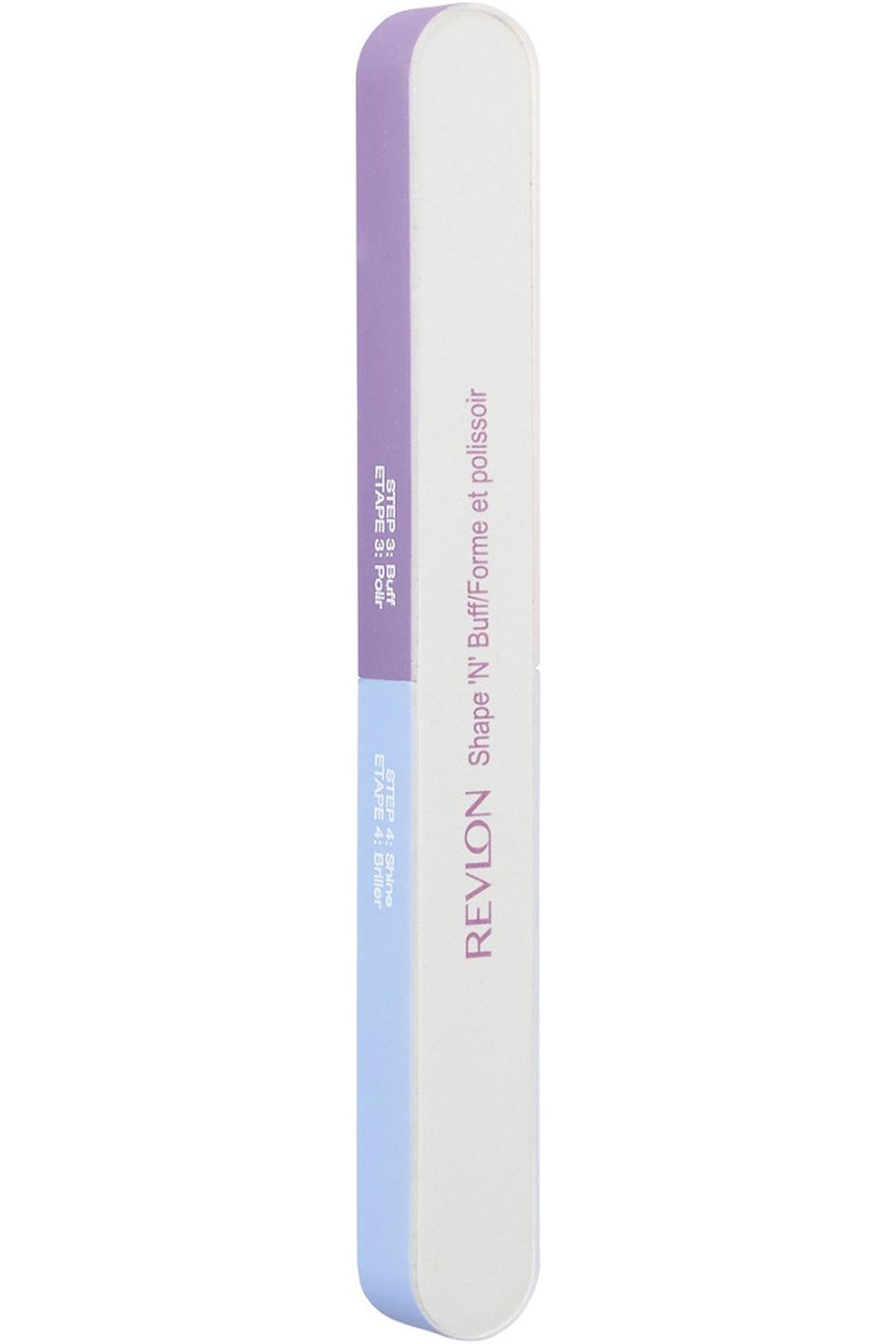
Now that your toenails are at a perfect length, it's time to smooth them out. Pick up a nail file and shape the corners and edges. “Always try to file in one direction and avoid rounding the edges of the nails, especially if you are prone to ingrowns,” Hanna says. There's no need to rush during this step—take your time filing until all of your nails are even.
Supplies for trimming and shaping your nails


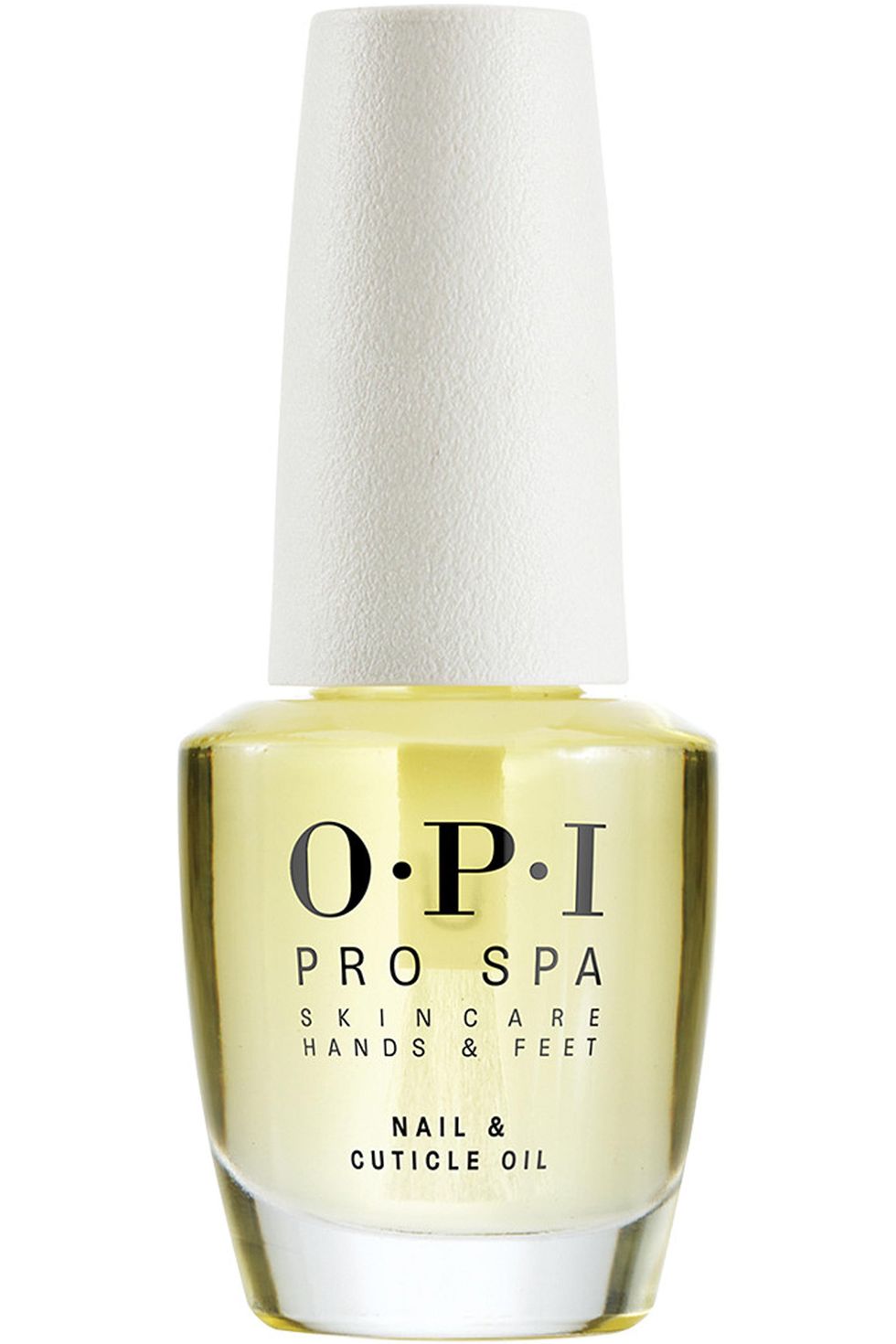
Step 7: Add a few drops of cuticle oil
Don't forget to pay special attention to your cuticles on each toe. While you can use an orange stick to push back your cuticles, save the trimming or cutting for the pros. Cuticles protect your nails from bacteria, and you shouldn’t trust yourself (or anyone, really) to mess with them—especially with that glass of wine in hand.
Instead, show them some love by working in a few drops of cuticle oil. It'll make a major difference in the shine, health, and overall strength of your nails.
The 4 best cuticle oils to try rn
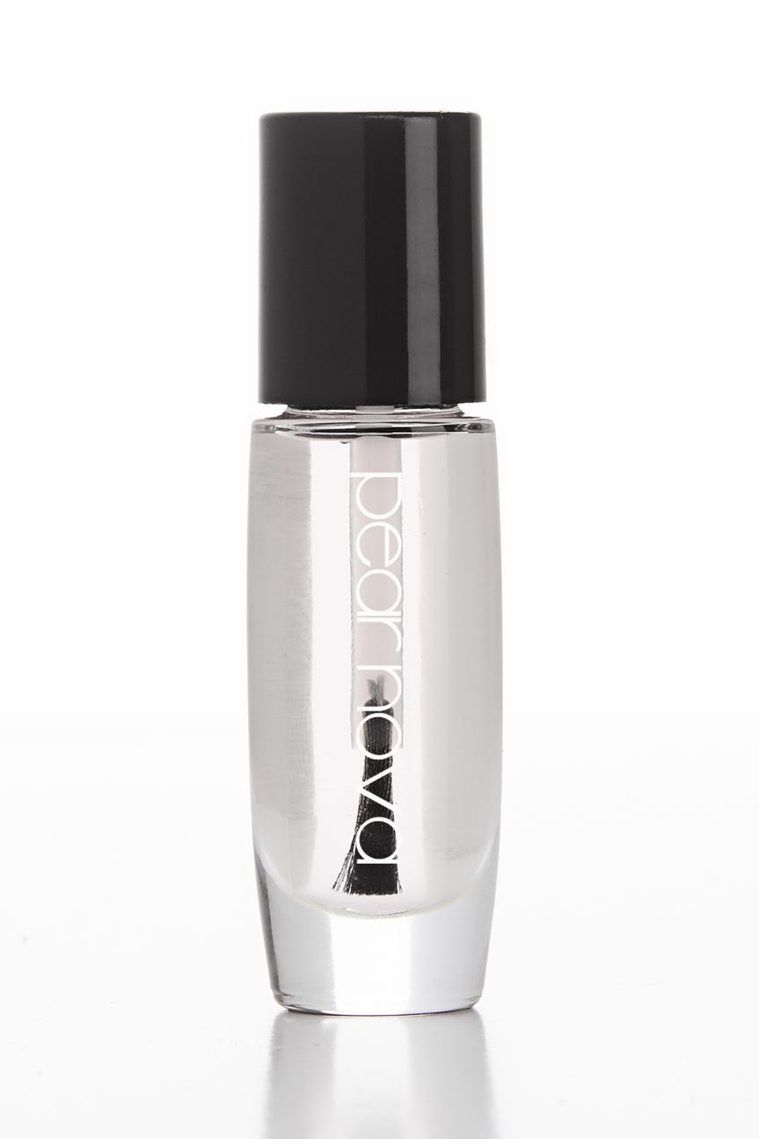
Pear Nova Growth Green Tea Cuticle Oil
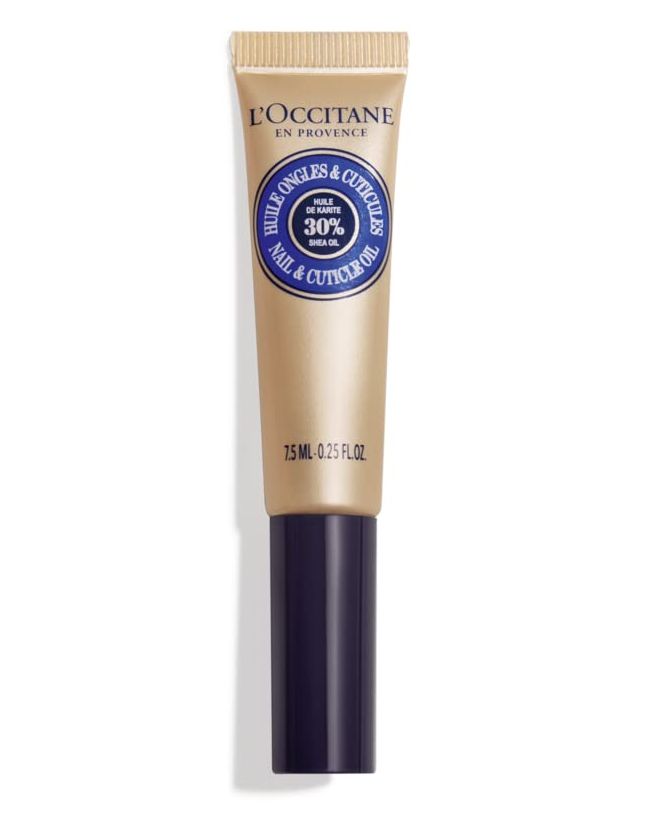
L'Occitane Nourishing Nail & Cuticle Oil
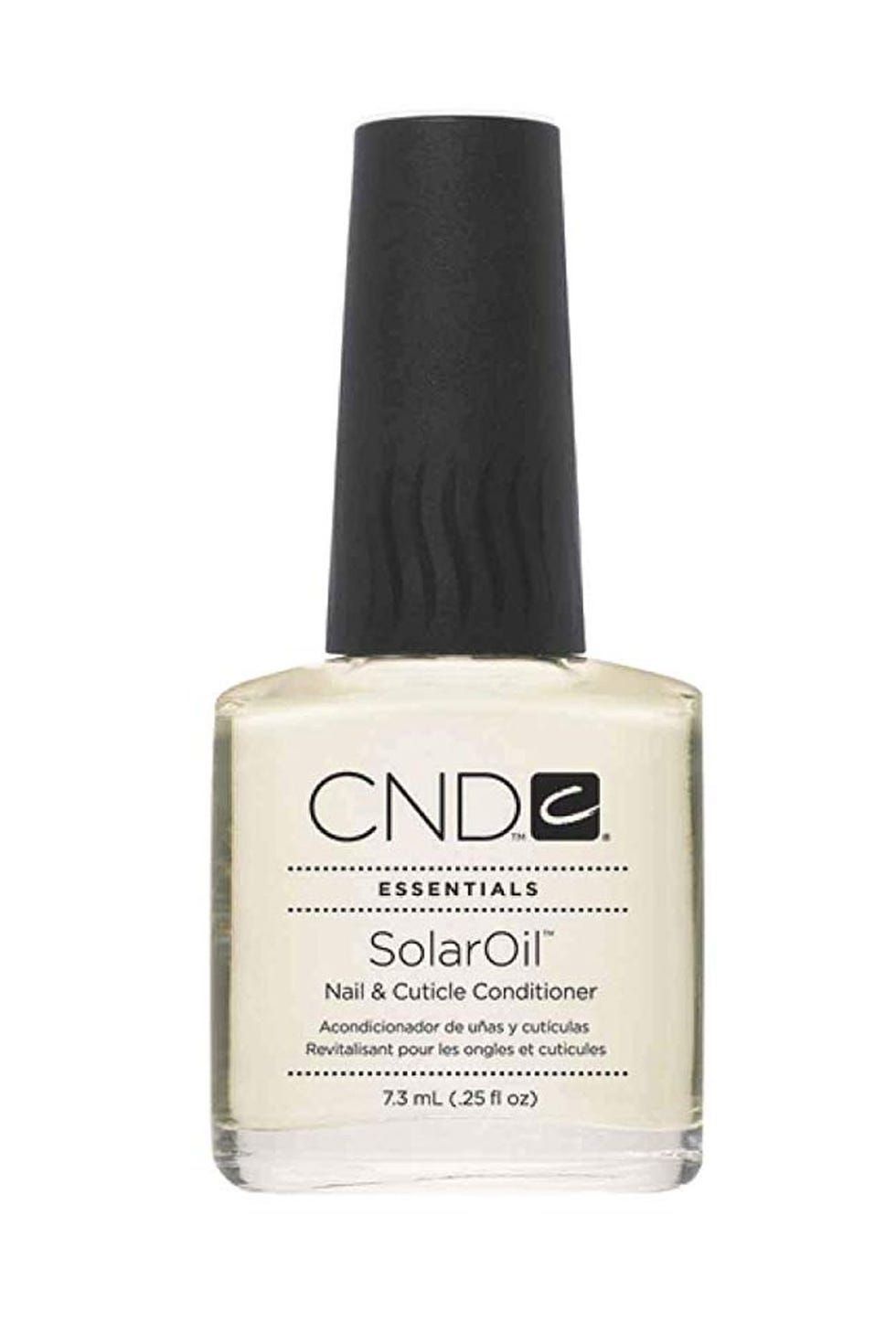
Step 8: Massage your feet with lotion
With a foot cream or body lotion, begin massaging your toes, feet, and calves until, well, you wanna stop. Not only will this massage feel amazing, but it'll also help moisturize your feet after all that scrubbing and soaking. Finish off by grabbing a cotton pad soaked with rubbing alcohol to clean the surface of each nail, removing any oily residue that could prevent your polish from sticking.
Step 9: Apply a layer of base coat
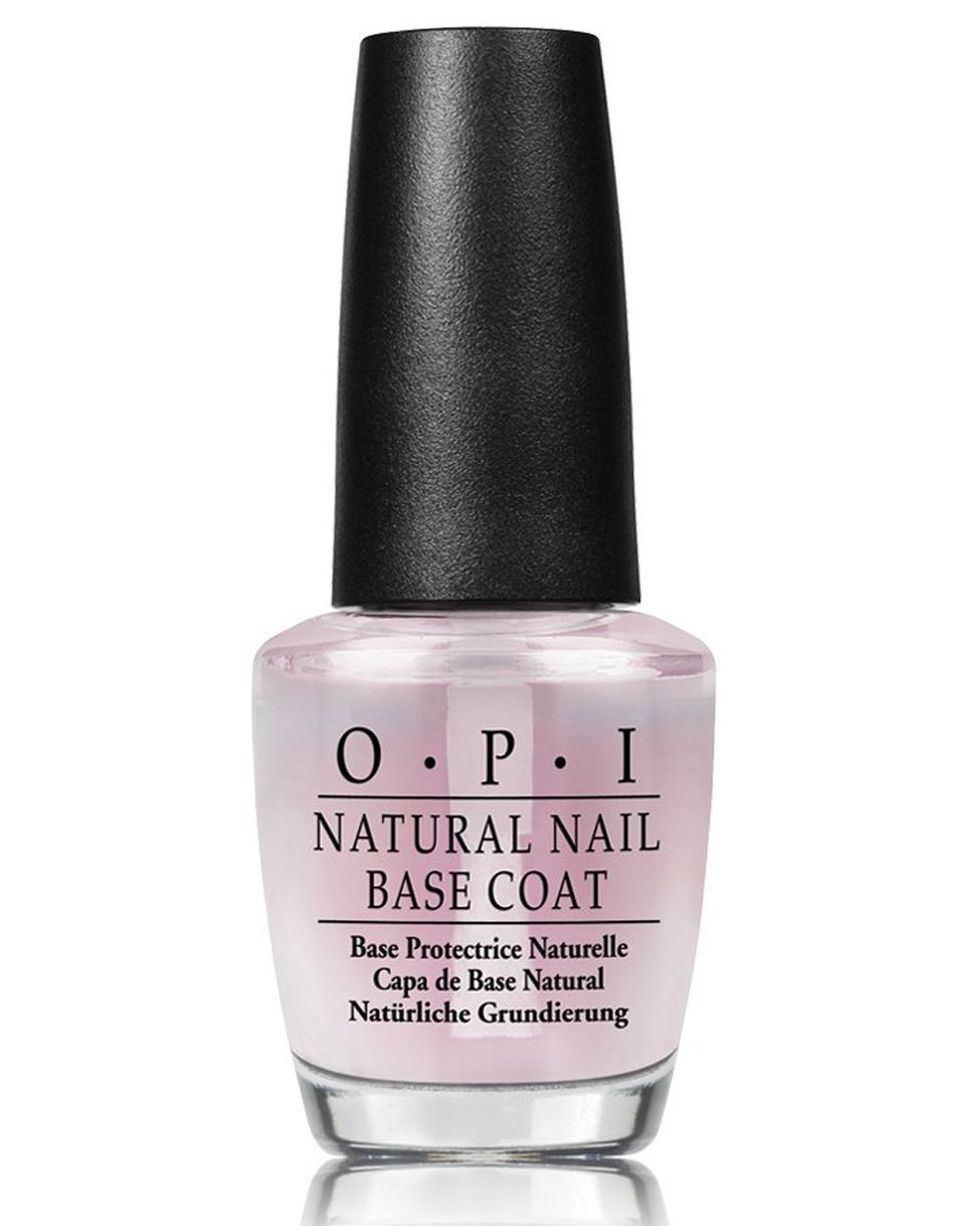
If you're thinking that you can skip this step, pls reconsider. “A base coat is critical because it can help prevent yellowing, make your polish last, and ensure a smooth application,” Hanna says. Since the base coat acts as a barrier between the natural oils that come from your nails and your actual polish, it's super important to swipe it on if you want your pedicure to last. And who doesn't want that?
Shop our favorite base coats
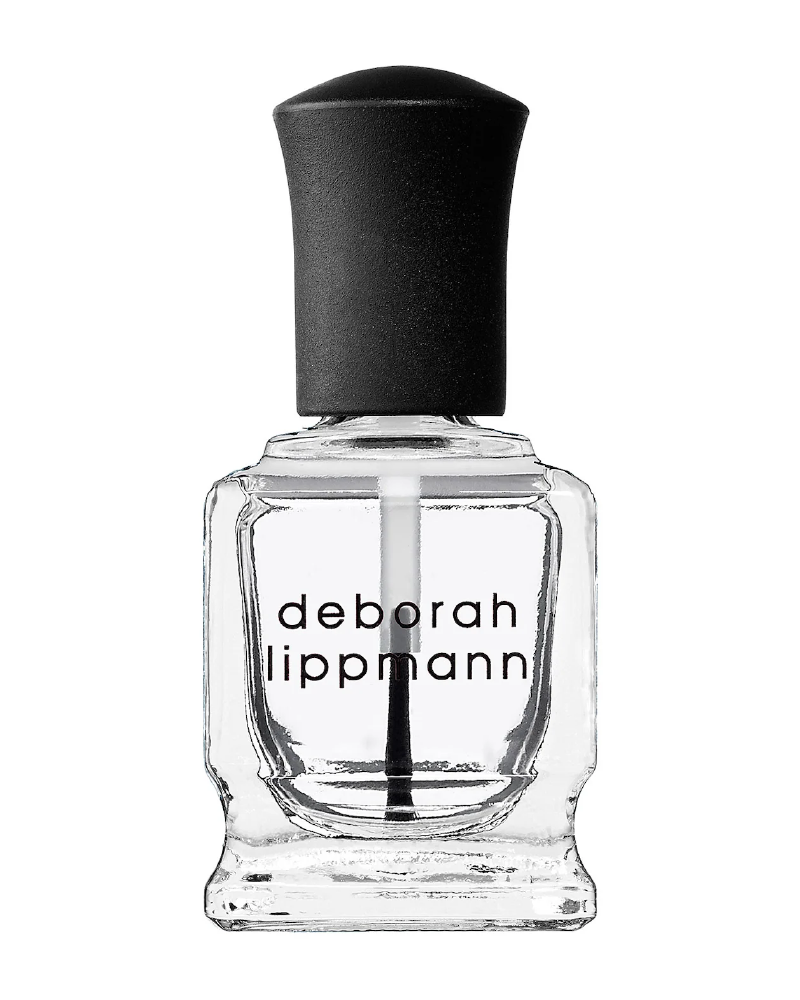
Deborah Lippmann Hard Rock Nail Strengthening Top and Base Coat

Olive & June Ridge Filler Smoothing Base Coat
Step 10: Paint your toenails
If you have toe separators, grab ’em. Otherwise, tear off a piece of paper towel, roll or twist it into a rope, and weave it through your toes to prevent the polish from smudging. Apply two thin coats of your color of choice, letting the paint dry for a few minutes between each coat. “I always like to do it in three strokes—one down the middle and then one on each side. Less is more here,” Hanna says. “I almost always wear two coats.” If you kinda suck at painting inside the lines, use an orange stick to clean any mess-ups.
Step 11: Finish with a top coat
Unless you want your pedicure to chip the next day, you don't want to skip this step, either. “A top coat can seal the polish and make it last,” Hanna says. “It also adds a glossy, polished finish.”
The best top coats
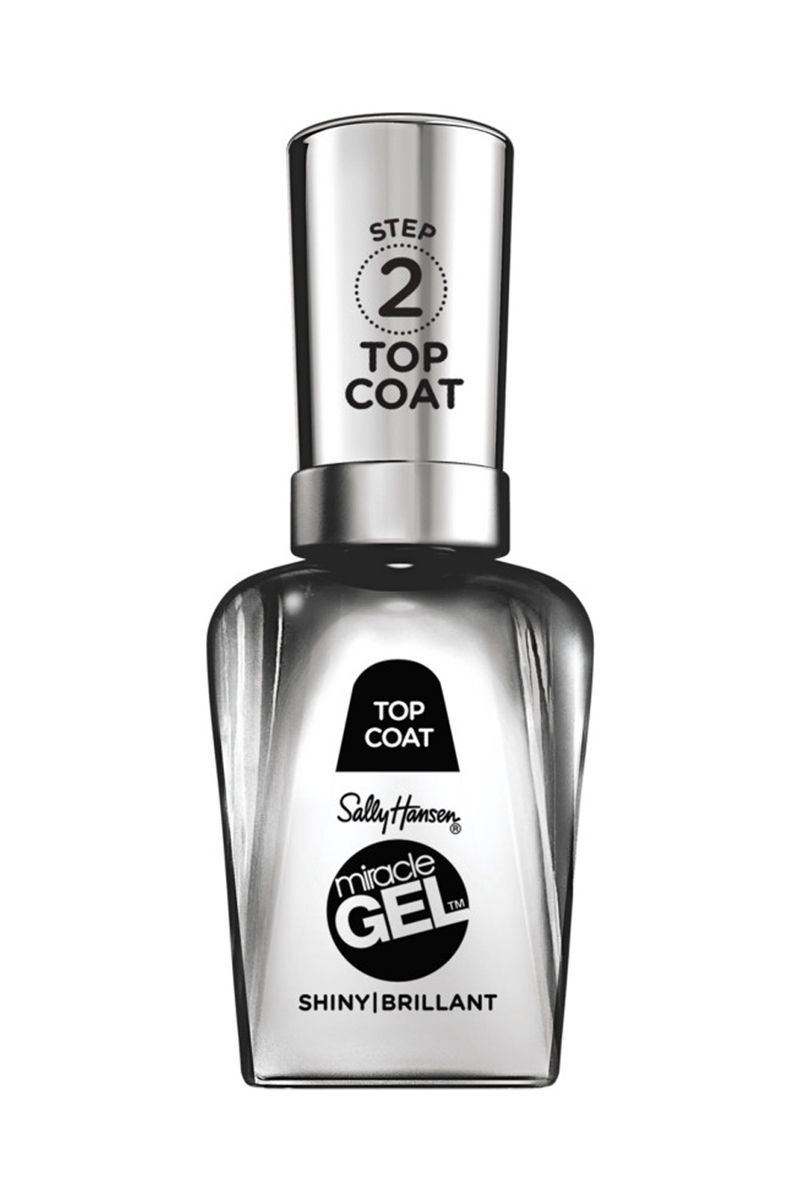
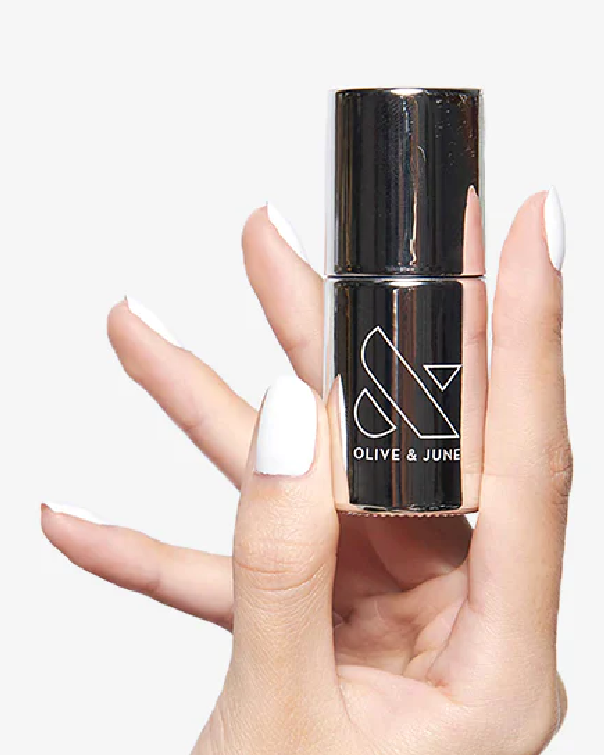

Manucurist Green Sunshine Nail Polish Top Coat
The final look
And there you have it: a salon-quality pedicure in the comfort of your own damn home. What are we spending our extra money on?!
Meet the expert:
- Mazz Hanna is a celebrity manicurist and founder of Mazz Hanna, a premium nail care brand for consumers and professionals with clean and sustainable ingredients.
Why trust Cosmopolitan?
Celia Shatzman (she/her) is a Brooklyn-based journalist who has covered beauty for two decades and has lost count of all the DIY pedicures she’s given herself.

Celia Shatzman (she/her) is a Brooklyn-based writer and editor who has penned stories on topics ranging from beauty to fashion, travel, celebrities, health, entertainment, finance and more. A graduate of the Medill School of Journalism at Northwestern University, she is a beauty and style contributor at Forbes and her work has appeared in New York, Cosmopolitan, WWD, ELLE, Conde Nast Traveler, Afar, Travel + Leisure, Women’s Health, Marie Claire, Byrdie, Refinery29 and NYLON, among others.


