How Often Should You Wash Your Hair? We Asked Dermatologists and Hair Stylists to Break It Down
FYI: You've probably been told a lot of myths.

We may earn commission from links on this page, but we only recommend products we love. Promise.
Confession: I wash my hair almost every single day. I know, I know—it sounds like a cardinal sin for a beauty editor, up there with sleeping in your makeup and skipping face sunscreen every morning. But hear me out! How often you should wash your hair is fully dependent on your hair type, oil levels, and styling goals. I have an oily, dandruff-prone scalp, aka I need to wash my hair more often to remove buildup, flakes, and sebum. However, someone with dry, coarse, curly hair, or 4c hair can wash their hair more than just once a week.
You should base your wash-day schedule on a lot of factors. How many times should you wash your hair is not a one-size-fits-all answer," says professional hair stylist Gabbi Jeanne. "It depends on your hair type and lifestyle," like whether you have dandruff or dry scalp, or if you tend to load up on styling products every day. And to help you figure it out, our experts break down exactly how often you should be shampooing—and the best formulas for your specific hair type.
How often is it healthiest to wash your hair?
The "best" system for hair washing completely depends on your hair type and the condition of your scalp. Although many dermatologists recommend washing your hair two to three times a week to avoid product buildup and scalp irritation, it can vary. Keep scrolling to find the best hair washing schedule for your specific needs.
Hair Type
According to dermatologist Iris Rubin, MD, finer and straighter hair types (types 1-3) typically need more frequent washing than coarser and curlier textures (type 4). Sophia Emmanuel, Trichologist and Cosmetologist, explains that "with type 4 hair, natural oils don’t easily travel down the strand due to tighter curl patterns, so shampooing once a week is sufficient, but on the other hand, for straighter and finer hair types, oils accumulate and spread more easily along the hair strands, which means they often require cleansing up to three times a week or every other day."
And if you have a protective style in, wash day is also important. "Cleansing your scalp is the only way to ensure your protective style is supporting healthy hair," says Jeanne. "This wash routine is usually spaced out a little longer than traditional wash day." The type of shampoo or cleanser you use may vary depending on your style. "Hair extensions, box braids, twists with hair added in are some styles that can be washed with the style in because you have access to your scalp," explains Emmanuel. "Other protective styles, such as crochet braids, can be more challenging to wash depending on the type of hair that is used and limited scalp access."
But the frequency at which you cleanse should also be based on what your scalp and hair strands are telling you. More on that, below.
Scalp Conditions
If you’re experiencing any itching, flaking, product buildup, greasy strands, or unpleasant smells, you may want to consider cleansing more often. "Regular shampooing up to three times a week helps manage dandruff, itching, and helps control sebum production," says Emmanuel. "If you do not have a scalp condition or an active lifestyle, you can shampoo your hair once a week."
Is it okay if I wash my hair every day?
It's okay to wash your hair every day, as long as you're not stripping your hair and causing dryness. Think about it: You wash your face every day (or twice a day) without fail to wash away the dirt, grime, and gunk. The same could go for your scalp. Especially if you have straight, fine hair.
Keep in mind, though: If you do shampoo daily, you’ll want to make sure to use a mix of gentle cleansers to prevent scalp dryness, irritation, and itch. For example: If you can’t stretch your washings to every other day, you can cleanse up daily with a gentle shampoo that’s filled with nourishing ingredients (like hyaluronic acid and aloe vera), then, once a week (for one wash only!), swap in a clarifying shampoo to break down oils and hard water buildup. We have all our favorites below.
And if you are washing every day, make sure you’re replenishing your hair’s moisture each time with deep conditioners, hair masks, and/or leave-in conditioners to keep your hair from drying out from the water (yes, water itself can actually be drying!). You’ll also want to avoid heat-styling as much as possible—so no blow-drying after your daily showers—or you’ll strip and damage your strands, leading to dull, brittle hair over time.
What's the longest you should go without washing your hair?
How long you can go without washing your hair will depend on your hair type and oil levels. You should go a week without washing your hair if you have dry, thick, and/or coily hair—not because you can’t stretch your wash-day out even longer, but because you really shouldn’t if you’re trying to prevent breakage, dryness, and irritation. Your scalp and your strands need moisture to stay healthy, so try to cleanse once a week if possible.
If you’re working with fine or thin hair, or you have an oil-prone scalp, you may need to suds up a few times a week, every other day, or even daily (if you’re, say, doing sweaty hot pilates every morning). And though, yes, your dry shampoo can help absorb some scalp oil, it won’t magically get rid of it or leave your scalp clean. So you’ll still need to wash your hair regularly for optimal scalp and hair health.
How to train your hair not to be washed as often:
So, you can't really train your hair to be less greasy, FYI. Essentially, hair training is the idea of scaling back on how often you wash your hair to slowly reduce how oily your hair becomes. Here's the thing, though: The whole "feedback loop" of oil production is a myth, meaning that no, just because you wash less doesn't mean that your hair will naturally be less greasy. For some, this could be the case if you have a naturally dry or normal scalp. But if you're born with an oily scalp (ty, genetics), it doesn't really matter if you skip a few washes—your scalp is still gonna be oily.
What happens if you don’t wash your hair enough?
Not washing your hair enough can lead to dandruff, irritation, clogged pores, breakouts, and even hair loss over time, says Dr. Rubin, explaining that these issues are usually the result of buildup and residue from sebum, hair products, and dead skin cells. "The follicles on your scalp are literally the manufacturing plant for your hair, so for your best hair health, it’s important that they don’t get clogged,” she says.
Now that we have the general basics covered, let's get a little more specific. Here's the best shampoo for your scalp and hair type, as well as how often you should be washing:

Pros
- Dermatologist recommended
- Gentle enough for irritated scalps

Cons
- Might need to use a detox shampoo once a week when using this

Just like CeraVe's dermatologist-loved skincare products, the brand's haircare line is also super nourishing. This hydrating formula is so impressive that we gave it a Cosmo Holy Grail award for its ability to cleanse while still being gentle. "My scalp and strands felt clean but not squeaky or straw-like," says beauty director Lauren Balsamo. "It is also safe for dyed hair and won’t contribute to color fading, which is a must for me." Whether you have a sensitive scalp, or need to wash almost everyday, this gentle formula will do the job.

Features at a Glance
| Key ingredients | Ceramides, hyaluronic acid |
| How often you should use: | Several times a week |

Pros
- Great for promoting a healthy scalp environment
Cons
- Should not be used every wash
Washing your hair can help keep your scalp exfoliated and less prone to clogged pores (which, reminder, can hinder hair growth and even contribute to hair loss). So, clarifying your scalp and removing product buildup can go a long way toward supporting healthy hair growth. Just swap in a sulfate-free clarifying shampoo like this one from K18 every three to four washes, or once a week if you're washing often, to help exfoliate dead skin and wash away pore-clogging oils with salicylic acid and charcoal powder.
| Key ingredients | Signature peptide, salicylic acid, charcoal |
| How often you should use | Every three to four washes |

Pros
- Leaves hair feeling silky
- Smells amazing
Cons
- On the pricier side
This shampoo was voted the best hydrating formula by thousands of Cosmo readers (like you!) for its ability to cleanse the scalp while leaving strands soft and shiny. Infused with argan oil to moisturize, it’s ideal for anyone who notices their hair or scalp feeling dried out after shampooing.
Features at a Glance
| Key ingredients | Argan oil |
| How often you should wash | Two to three times a week |

Pros
- Doesn't just cleanse, but helps nourish and strengthen hair
Cons
- Not the best option for medium or thick hair (but Ouai has other formulas!)
Whether you choose to cleanse every day or every other day is up to you, but you’ll want to make sure your shampoo is specifically formulated for fine or oily hair types—like this one from Ouai. "This it’s legit the perfect middle-ground for my fine, oily hair. It gets rid of all the excess oils on my scalp with strong cleansers, yet also moisturizes my hair with lightweight ingredients (hi, biotin and chia seed oil) that work together to help make my hair look a bit thicker," explains beauty editor Beth Gillette. "It's also filled with hydrolyzed keratin which helps fill the "holes" in damaged hair strands to strengthen your hair over time."
Features at a Glance
| Key ingredients | Biotin, chia seed oil |
| How often you should use | As often as you wash |
Pros
- Color-safe
- Helps soothe itchy and flakey scalps
Cons
- A bit pricier than other dandruff shampoos on the market
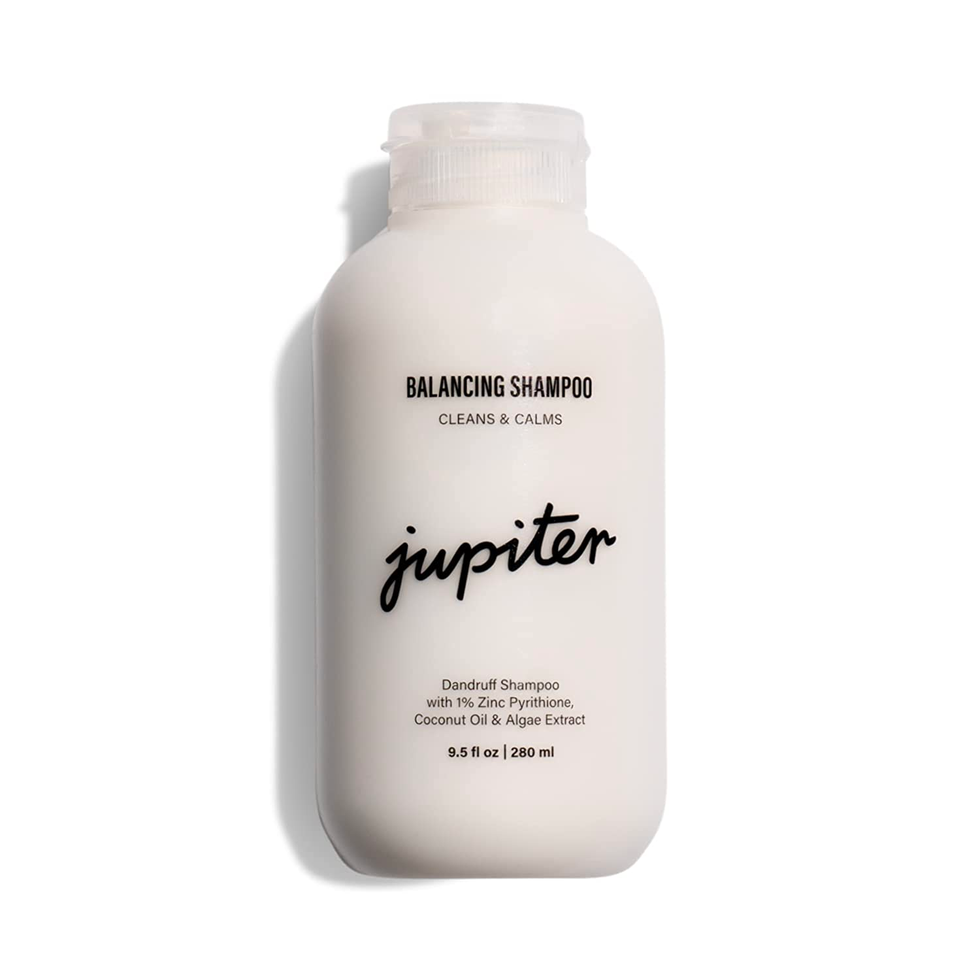
If you have dandruff, you’ll want to wash your hair about three to four times a week, as the excess yeast on your scalp (aka malassezia) feeds off of oil. Lather up with a dandruff shampoo that contains zinc pyrithione, an MVP antifungal, which helps reduce itch, inflammation, and irritation by killing the excess bacteria that causes plaques. If you notice your hair is feeling a bit dry and your flakes are subsiding (usually in two to three weeks), cut down your dandruff shampoo use to once or twice a week and swap in a moisturizing shampoo instead to give your hair a break.
| Key ingredients | Zinc pyrithione, coconut oil |
| How often you should use | Three to four times a week |

Pros
- Safe for sensitive scalps
- Fragrance-free
Cons
- Some customers say the opening for the refill is a bit too large for the original bottle
There’s no such thing as “normal” or “abnormal” hair, but if you're not trying to address any issues in particular and want to maintain healthy hair and a healthy scalp, stick with a hydrating, sulfate-free shampoo that can be used as frequently as you need. As an added bonus, this formula (which was created by Dr. Rubin and is, I can attest, incredibly good) is free of silicones, fragrances, and sulfates, making it a great pick for nearly any scalp condition, but especially sensitive scalps.
| Key ingredients | Bisabolol, hemisqualane |
| How often you should use | Two to three times a week |

Pros
- Also helps treat dandruff
Cons
- Has a slight menthol scent, but that's for soothing the scalp!
Scalp acne and oily hair tend to go hand in hand, which is why you might think you need to wash your hair every single day. Instead, treat your zits with this exfoliating salicylic-acid shampoo every two or three days. The formula will not only help prevent future acne, but also buff away some of the oil, dirt, and dead skin on the surface of your scalp that may leave it irritated and inflamed.
| Key ingredients | Salicylic acid, argan oil, niacinamide |
| How often you should use | two to three times a week |

Pros
- Hydrates the scalp without making it greasy
Cons
- Jar packaging might get a bit messy in the shower
Type-4 hair (and scalps!) usually deals with itchy buildup after a week of stylers and refreshers, along with persistent dryness and breakage—why is why moisture is so important: “Scalp oils can’t make their way down curly hair shafts as easily as they can with straight and fine hair shafts, which is why coils are drier than other textures,” says hair stylist Miles Jeffries. He suggests co-washing every three days for moisture, then using a sulfate-free clarifying shampoo week or so to remove buildup.
Features at a Glance
| Key ingredients | Coconut oil, castor oil |
| How often you should use | Once or twice a week |

Pros
- Hydrates while keeping curls in tact
Cons
- Might need to use twice for a full lather
Fine waves and loose curls can get weighed down easily from product buildup, especially if you’re loading up curly-hair products rich in butters and oils. So to keep your hair voluminous and defined, wash every other day (for oil-prone scalps) or every two or three days (for non-oily scalps) with this sulfate-free cleanser that uses a mix of other strong-ish cleansers and gentle surfactants to remove dirt and oil from your roots.
| Key ingredients | Rice extract, keratin amino acids |
| How often you should use | Two to three times a week |

Pros
- Has a coinciding hair mask and conditioner too
Cons
- Might weigh down super fine hair
Subjecting your hair to chemical treatments, bleach, hair dye, and/or consistent heat-styling can eventually leave your hair cuticles rough and broken, resulting in hair that’s dry, dull, and brittle. Which is why Dr. Rubin recommends washing your hair only a few times a week with a sulfate-free, protein-based shampoo to help gently cleanse and strengthen your hair at the same time. "As someone who has gone through all the heat styling and bleaching, I love this shampoo for my dry and damaged hair," says assistant beauty editor Jasmine Hyman. "Plus, it smells amazing."
| Key ingredients | Rosehip oils, algae extract |
| How often you should wash | Every two or three days |
Meet the experts:

- Iris Rubin, MD, is a board-certified dermatologist in New York, NY. She’s passionate about scalp care, which led her to launch Seen, a skincare-forward hair line.
- Gabbi Jeanne' is a Houston-based hair stylist who has worked with celebs like Zendaya and Rihanna.
- Sophia Emmanuel is a trichologist, hair stylist, and brand ambassador of V&Co. Beauty
- Miles Jeffries is a celebrity hair stylist based in Los Angeles.
Why trust ‘Cosmopolitan’?

Jasmine Hyman is the assistant beauty editor at Cosmopolitan where she writes about all things hair—from the trendiest hair colors to the best blow dryers. For this story, she tapped hair experts and spent weeks testing and researching the best shampoos for each hair type/need.
Beth Gillette is the beauty editor at Cosmopolitan with nearly five years of experience researching, writing, and editing hair stories that range from rosemary oil for hair and castor oil for hair. She’s an authority in all hair categories, but is an expert when it comes to how often you should wash your hair after constantly bugging dermatologists if she’s overwashing her oily scalp.
Beth Gillette is the beauty editor at Cosmopolitan, where she covers skincare, makeup, hair, nails, and more across digital and print. She can generally be found in bright eyeshadow furiously typing her latest feature or hemming and hawing about a new product you "have to try." Prior to Cosmopolitan, she wrote and edited beauty content as an Editor at The Everygirl for four years. Follow her on Instagram for makeup selfies and a new hair 'do every few months.
Jasmine Hyman is the Assistant Beauty Editor at Cosmopolitan, where she writes about the latest beauty trends and must-have products. Her most prized beauty possessions are a meticulous skincare routine and salon blowouts. You’ll also likely find her in bed reading a good book or endlessly scrolling TikTok (spoiler: it’s usually the latter) while listening to Harry Styles’ entire discography on repeat. Follow her on Insta to be inundated with pictures of her meals.


The Best Deep Conditioners for Dry Hair

The Best Dyson Dupes, Tested by Our Editors

PSA: The Dyson Airwrap Is $150 Off Right Now

Found: The Best LED Hair Growth Devices on the Market


