
If HPV (human papillomavirus) has been on your radar lately, there’s a reason: Our newly appointed Secretary of Health and Human Services, Robert F. Kennedy Jr., has reignited the conversation around the common sexually transmitted infection—by villainizing the vaccine that fights it.
Gardasil 9 is the only HPV vaccine used in the U.S., and it’s also one of the only vaccines on the market that actually prevents cancer. That’s because HPV is behind nearly all cervical cancer cases and over 90 percent of other HPV-related cancers, so the vaccine can actually slash your cancer risk by 99 percent, if taken early enough.
Despite the overwhelming evidence of this vaccine’s benefits, RFK Jr. has spent years pushing debunked claims about it, calling Gardasil “dangerous” and “defective.” And there’s something off about that, because RFK Jr.’s organization, Children’s Health Defense, has financial stakes in vaccine-related lawsuits, meaning he could directly benefit from the demise of this vaccine.
Now that RFK Jr. is even more powerful and his platform is more visible than ever, his claims are being spread far and wide by MAHA movement supporters, fueling confusion about both the disease and the vaccine. Let’s go ahead and set the record straight, shall we?
What Exactly Is HPV?
For a lot of young people, HPV is only mentioned briefly in middle school health class, right around the time when their parents have to sign a consent form for them to get the vaccine. (The American Academy of Pediatrics recommends that kids get the HPV vaccine starting at age 9 through 12 years.) So if you’re sitting here, like, Huh, I guess I really don’t know much about HPV, you’re not alone.
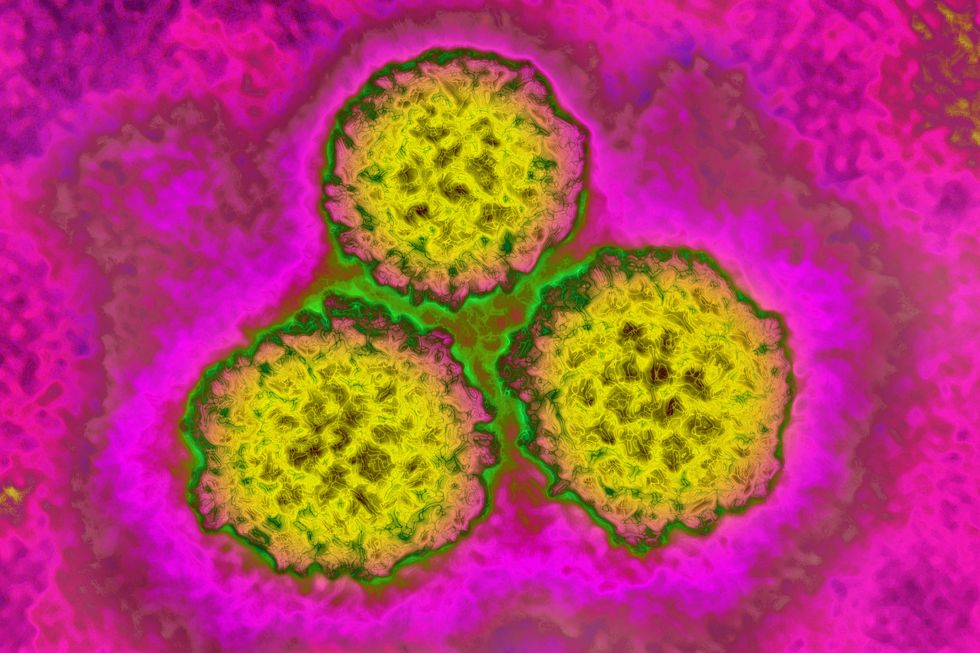
First of all, you should know that if you are sexually active, there is an 80 percent chance that you will have HPV in your lifetime (yes, really!), so it is important to learn the facts. HPV is a group of over 200 related viruses that spread through skin-to-skin (and primarily sexual) contact. Luckily, most infections are harmless and clear up on their own.
“I like to call it the common cold of the vagina, that’s why it’s so important to normalize it,” says Jennifer Lincoln, MD, a Portland-based ob-gyn. The virus can lay dormant for months, years, or decades, and many people with HPV infections don’t experience any symptoms and may not even know they are infected, especially because men can’t even get tested for it.
How Is HPV Related to Cervical Cancer?
HPV is responsible for nearly all cervical cancer cases, as persistent infections with high-risk strains—particularly HPV 16 and 18—can lead to abnormal cell growth in the cervix. “When these infections don’t clear on their own, they can cause changes in cervical cells that, over time, develop into cancer,” explains gynecological surgeon Karen Tang, MD, author of It’s Not Hysteria: Everything You Need to Know About Your Reproductive Health (but Were Never Told). That’s why regular Pap smears and HPV screenings are crucial, as they can detect these abnormal cells before they become cancerous.
There are 13,000 new cervical cancer diagnoses every year in the U.S., and 4,000 people die from it. “It’s not an easy cancer to manage either,” says Dr. Lincoln, noting the complex and long-term fight that can come with a cervical cancer diagnosis.
If you’re counting the other cancers that HPV can cause—like throat (which is on the rise), penile, and anal cancer—the infection can be blamed for almost 50,000 cases of cancer a year.
What Is Gardasil 9?
Gardasil 9 is the HPV vaccine that prevents the most dangerous strains of the virus. Since HPV spreads through intimate skin-to-skin contact, not just intercourse, condoms don’t fully protect against it—which is where the vaccine steps in. “It does what barriers can’t,” Dr. Lincoln explains.
Gardasil is also one of the most extensively studied vaccines of all time and is the best first line of defense against infection. According to the CDC website, “Fifteen years of monitoring and research have accumulated reassuring evidence that the HPV vaccination provides safe, effective, and long-lasting protection against cancers caused by HPV infections.”

Why Is This Even Up for Debate?
It seems wild that a vaccine that prevents cancer could be controversial, but it’s been hotly contested for almost as long as RFK Jr. has been promoting misinformation around it. The TL;DR? People generally seem to have a problem with giving children a vaccine that is connected to a sexually transmitted infection.
“Since the vaccine is given to adolescents before most teens are sexually active, it often sparks controversy,” says Dr. Tang. One of the most common misconceptions is that vaccination gives children the okay to have sex. “There have been no studies that show an uptick in sexual behaviors with immunization,” Dr. Tang argues. (And one 2014 study based in Scandinavia showed that children who had taken the vaccine were more likely to practice safe sex down the line.)
Purity culture—in which things like HPV, chlamydia, and even pregnancy are seen as punishments for the “wrong” behavior—definitely plays a role here, says Dr. Lincoln. “There’s this element of shame, where people say, ‘Well, your kid shouldn’t need that.’ But the truth is, you can still get HPV even if you wait until marriage or only have one partner.”
In one interview, RFK Jr. claimed that Gardasil “targets millions of preteens and teens for whom the risk of dying from cervical cancer is zero.” And that is...objectionably false. The assertion that preteens and teens face zero risk of dying from cervical cancer overlooks the broader public health strategy behind the HPV vaccination program, says Dr. Tang.
The Bottom Line
While it’s true that cervical cancer diagnoses are uncommon in adolescents, the primary goal of administering the HPV vaccine during preadolescence is prevention. And guess what? It works. A 2025 study found that the HPV vaccine has slashed cases of cervical pre-cancer by 80 percent among women ages 20 to 24.
“Kennedy’s words carry weight, making his misinformation especially harmful,” says Dr. Lincoln. A 2017 study found that HPV vaccination rates are lower in states where people are exposed to more misinformation and conspiracy theories, so negative media coverage clearly affects vaccine acceptance. In 2022, HPV vaccination rates declined in children ages 13 to 17 for the first time since 2013, despite a 62 percent drop in cervical cancer deaths over the past decade.
That’s terrifying. And with RFK Jr. now leading the country’s Health and Human Services, it’s safe to assume those numbers may drop even more. “That’s why understanding HPV and how to prevent it is crucial right now,” says Dr. Lincoln. I don’t know about you, but I don’t want to live in a world where middle school kids aren’t getting their vaccine forms signed because of misinformation their parents saw on TikTok.
Morgan is a Philadelphia-based freelance writer, covering everything from health and sex to fashion and beauty. Her work can also be seen in Bustle, Refinery29, Well+Good, and more. She’s a big fan of these things, in order: silk slip dresses, giving unsolicited life advice, working out, and Taylor Swift’s entire discography.


